
areyoufashion com
Marathi Wedding Planning During COVID-19 Pandemic (Let’s Do the Best in this situation)
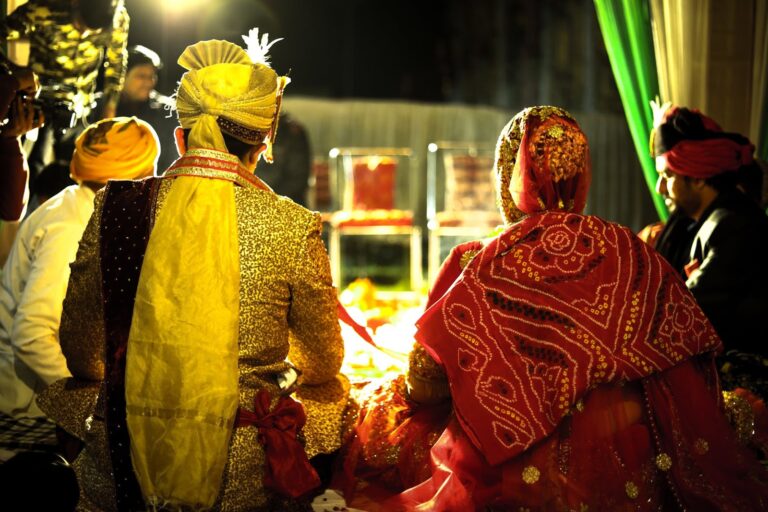
Covid-19 has taken a toll on our lives. Vital events like weddings getting postponed…
The considered guide to wedding dresses — silhouettes, fabrics and fittings — so you can walk into your first appointment knowing exactly what suits you.
Covid-19 has taken a toll on our lives. Vital events like weddings getting postponed…
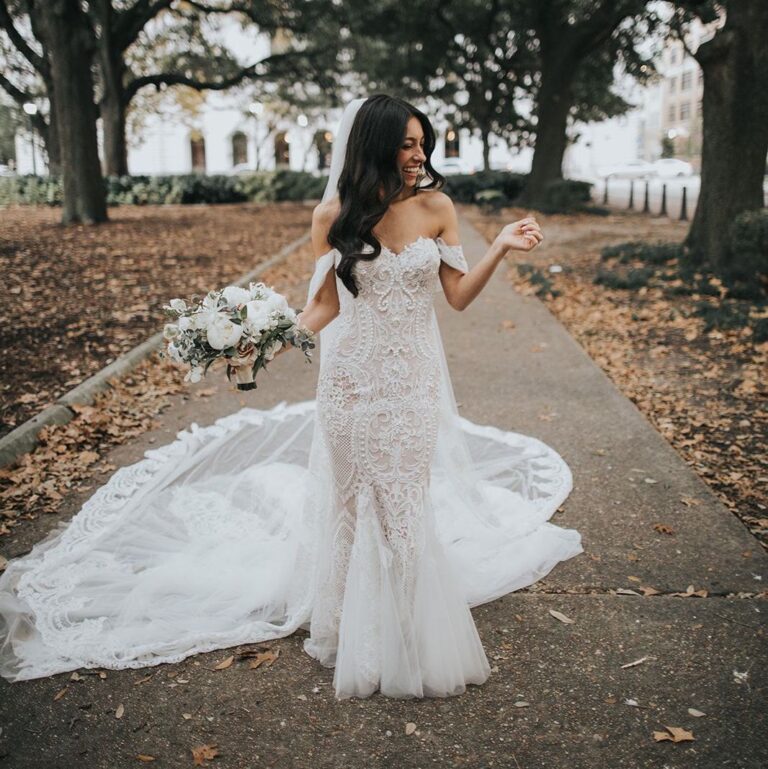
Do you want to look your best on your wedding day? Of course, we…
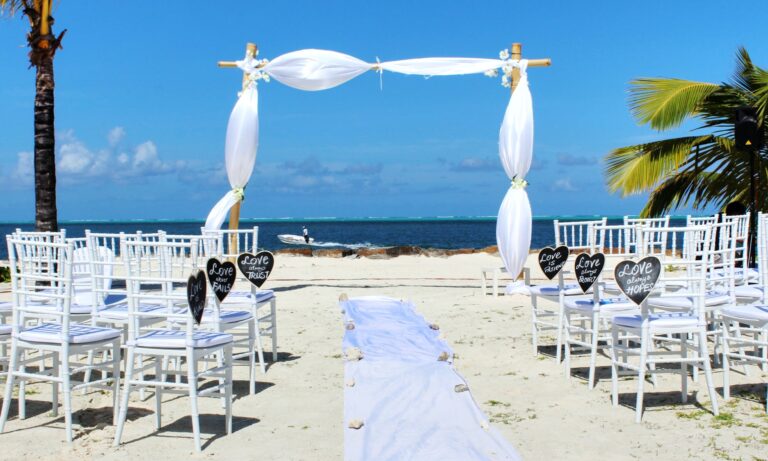
Marriage Ceremony covers Are Extremely simple to pick. As soon as you own Determined…
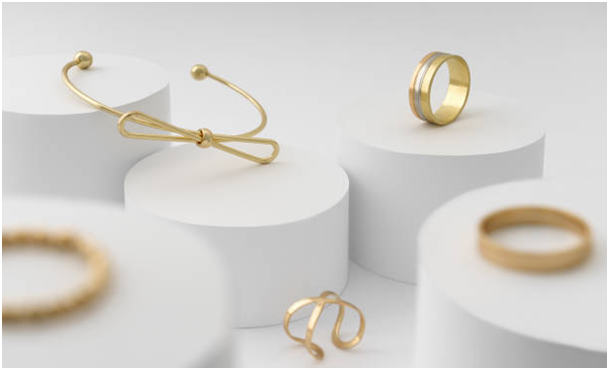
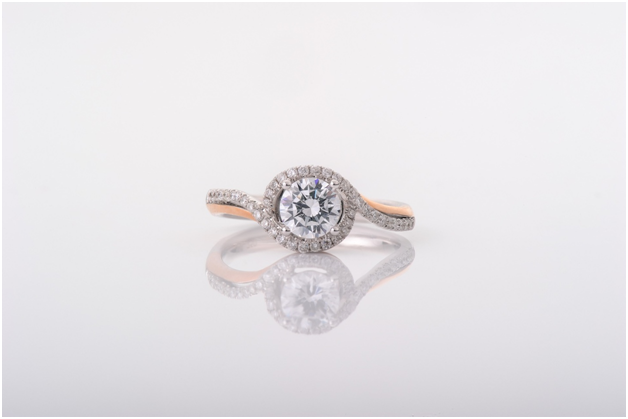
Jewelry has always had the facility to emphasize and accentuate an individual’s dress and…
A wedding in Vegas is the dream of almost every starstruck lovers. The flashing…
Nearly every wedding dress is a variation on a handful of silhouettes. The A-line is the safe, flattering all-rounder. The ballgown is full-skirted drama for a formal venue. The mermaid and trumpet hug the body and flare below the knee for a bold, sculpted look. The sheath or column falls straight and elegant, ideal for modern or destination weddings. Knowing which family you're drawn to saves hours in the fitting room.
A dress should suit both you and the room. Ballgowns and cathedral trains belong in grand, formal spaces; a slip or column gown feels right on a beach or in a registry office; an A-line works almost anywhere. For body shape, the same logic as everyday dressing applies — define the waist, balance the proportions, and choose a neckline (sweetheart, V, bateau, halter) that frames your face. Comfort matters more than brides expect: you'll wear this for twelve hours, so test sitting, hugging and dancing before you commit.
Fabric sets the mood and the price. Structured fabrics like mikado and satin hold sculptural shapes; tulle, chiffon and organza float and photograph romantically; lace adds texture and heritage. Weight matters by season — heavier satins for winter, airy chiffons for summer. Set a realistic budget that includes alterations (almost every gown needs them), and remember that a simpler dress with exceptional fit will always outshine an ornate one that doesn't sit right.
Order a made-to-order gown around eight to ten months before the day, allowing time for production plus two to three fittings. Bring your wedding-day shoes and underwear to every fitting so the length and fit are true. Keep bridal beauty in step with the neckline — an updo for a high or halter neck, softer waves for a strapless or sweetheart.
What is the most flattering wedding dress silhouette?
The A-line suits the widest range of body types because it defines the waist and skims the hips, but the best silhouette is the one matched to your shape and venue.
How far in advance should I buy my wedding dress?
Around eight to ten months ahead for a made-to-order gown, which leaves time for production and two to three fittings before the day.
How much should I budget for a wedding dress?
Set your budget to include alterations, which most gowns need — a well-fitted simpler dress looks better than an elaborate one that hasn't been tailored to you.