 Trending
Lip Oil
A glossy, non-sticky hydrator that earned its hype — the low-effort lip everyone is reaching for.
- Price guide
- £8–£30
- Best for
- Dry lips, and anyone who finds gloss too tacky and lipstick too much.
The easiest way to a healthy-looking lip. Gloss's grown-up, comfortable replacement.
Independent editorial guide. The price guide is a typical market range for this type of product, not a specific retailer’s price. Where we link to shops, some links may be affiliate — which never changes our verdict.
Lip oil is a lightweight, glossy tint that hydrates as it colours, blending balm-like care with lipstick-level pigment. Built from nourishing oils, it sinks in fast, leaves lips soft rather than sticky, and suits daily wear. It's worth it for anyone wanting glossy, healthy-looking lips without the heaviness of gloss or the dryness of matte formulas.
What to buy
How to choose Lip Oil at every budget — what to look for at each tier, from a first-try buy to an investment piece.
Simple, lightweight jojoba-based formula with a doe-foot wand, ideal for a first try
Sheer buildable colour wash with a subtle sheen, suited to daily no-makeup makeup looks
Richer blend with added vitamin E and seed oils, positioned as care-first with a light tint
Emollient, balm-like oil with squalane and a slower-melt texture for longer comfort
Lip oil has quietly become one of the most-searched beauty terms of the year, and for good reason: it promises the glow of a gloss with the comfort of a balm. If you’ve been wondering whether it’s a genuine step forward for lip care or just clever marketing wrapped in a pretty wand, this guide breaks down what lip oil actually is, how to use it properly, and how to choose one that suits your lips.
What lip oil is and why it’s so popular
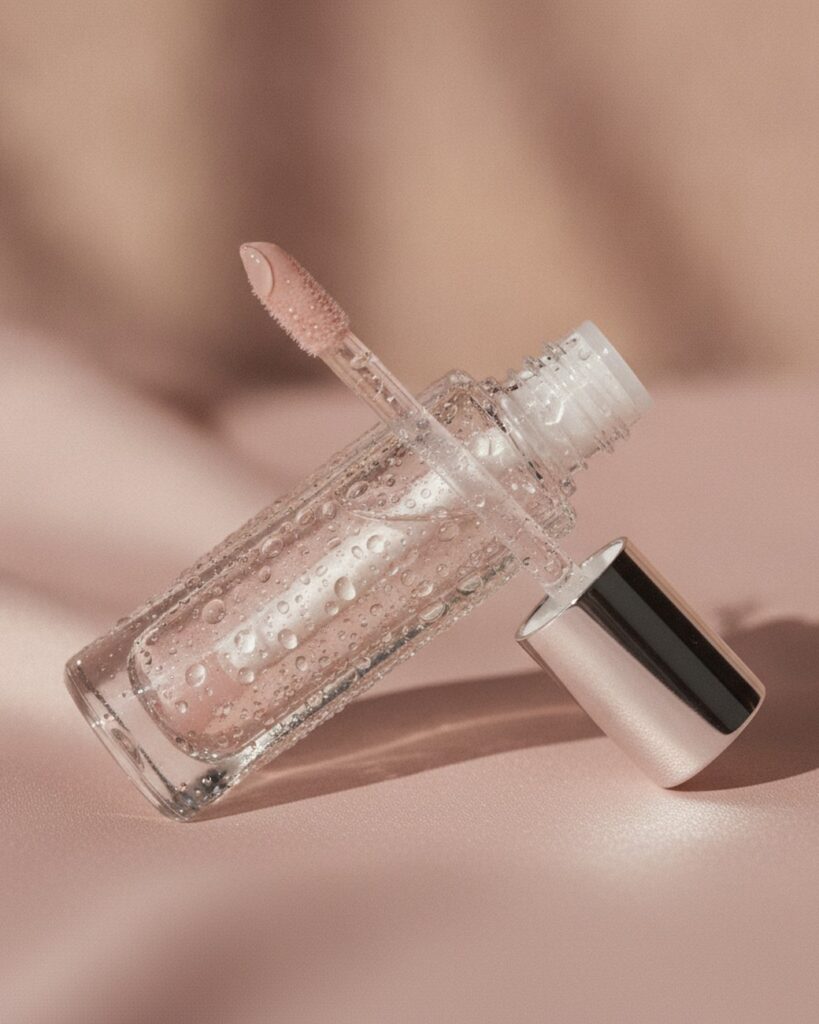
Lip oil is a fluid, non-sticky lip product built on a base of nourishing oils rather than waxes or heavy pigments. Common ingredients include jojoba oil, squalane, vitamin E and various plant oils, sometimes with a sheer wash of colour or a light shimmer suspended in the formula. The texture sits somewhere between a serum and a gloss: it glides on wet, then settles into a soft, glassy finish that looks plumped without feeling tacky.
Part of its popularity comes from the ‘no-makeup makeup’ trend, where the goal is healthy, dewy skin and lips rather than a heavily done look. Lip oil delivers that glass-lip effect while doubling as a treatment, which is why it’s replaced traditional gloss in a lot of routines. It also feels more modern to apply, with doe-foot or brush wands that make quick, mirror-free reapplication easy throughout the day.
How to use lip oil properly
Lip oil is forgiving, but a few habits make it perform better and last longer.
- Start with clean, prepped lips. If they’re flaky, a gentle exfoliation beforehand helps the oil sit smoothly rather than clinging to dry patches.
- Apply a thin layer directly to the centre of the lips first, then blend outward with the wand or a fingertip. A little goes further than you’d expect.
- Wear it alone for a natural, glossy tint, or layer it over a lip liner and balm for more definition and staying power.
- Over lipstick, lip oil adds shine and softens harsh matte edges. Pat a small amount over the centre of the lips rather than the full lip line for a lived-in, your-lips-but-better effect.
- Reapply as needed. Because it’s fluid, lip oil naturally wears down faster than a matte formula, so keep it handy for top-ups.
How to choose the right lip oil
Not all lip oils are created equal, and the right one depends on your lips and how you like to wear colour.
Look at the ingredient list first. Oils like jojoba, squalane and various seed oils are designed to condition and seal in moisture, while added vitamin E can help support the lip barrier. If you have particularly reactive or sensitive lips, be cautious with heavily fragranced formulas or those with strong plumping ingredients (such as certain minty or tingling agents), as these can cause irritation for some people. A short patch test on the inner arm, or simply a small dab on the lips first, is a sensible precaution, and it’s worth seeing a pharmacist or dermatologist if you have ongoing sensitivity or diagnosed allergies.
Next, decide between tinted and clear. Tinted lip oil gives a sheer, buildable colour wash that suits everyday wear and is easy to apply without a mirror, while clear versions are more about shine and care, layering well over any existing lip colour. If your lips are very dry, prioritise richer, more emollient formulas over thinner, high-shine ones, since the glossiest oils aren’t always the most conditioning.
| Product | Finish | Hydration | Colour | Feel |
|---|---|---|---|---|
| Lip oil | Glassy, dewy shine | High | Sheer, buildable tint | Lightweight, non-sticky |
| Lip gloss | High shine, sometimes glittery | Low to moderate | Sheer to opaque | Can feel sticky or tacky |
| Lip balm | Soft satin, minimal shine | Moderate to high | Usually none or very sheer | Thick, protective, waxy |
| Lipstick | Matte to satin, low shine | Low to moderate | Full opaque colour | Can feel drying over time |
Who it’s best for and common mistakes
Lip oil suits anyone who wants low-maintenance colour with a hydrating finish, particularly if you find traditional gloss too sticky or matte lipstick too drying. It’s also a good pick for those newer to lip products, since sheer tints are hard to apply badly.
The most common mistake is over-applying, which can make lips feel slick rather than glossy. Another is expecting long-wear opacity; lip oil is a tint, not a full-coverage colour, so it will fade and need topping up. Finally, skipping the patch test on a new formula, especially one with fragrance or plumping ingredients, can lead to unnecessary irritation for sensitive lips.
The case for
- Hydrates while adding a sheer wash of colour
- Comfortable, lightweight, non-sticky feel
- Easy to apply without a mirror
- Layers well over balm, liner or lipstick
Worth considering
- Colour payoff is sheer, not full coverage
- Needs more frequent reapplication than matte formulas
- Fragranced or plumping versions may irritate sensitive lips
Frequently asked questions
Is lip oil good for your lips?
For most people, yes. Formulas built on nourishing oils like jojoba and squalane are designed to hydrate and help support the lips' natural barrier. It's generally gentler than long-wear matte formulas. Those with very sensitive lips should check for fragrance or plumping ingredients and patch-test first.
Lip oil vs lip gloss: what's the difference?
Lip oil is oil-based and formulated to feel hydrating and non-sticky, sinking in for a glassy finish, while lip gloss is often more about shine and can feel tackier. Lip oil tends to blend care and colour, whereas gloss is more purely cosmetic.
How do you use lip oil?
Apply a thin layer to the centre of clean lips and blend outward, wearing it alone for sheer colour or over balm, liner or lipstick for extra definition. Reapply throughout the day, since the fluid texture naturally wears down faster than matte products.
Do lip oils actually work?
Yes, in the sense that they genuinely hydrate and add a sheer tint, which is exactly what they're designed to do. They aren't a substitute for full-coverage lipstick or intensive lip treatments, but as a daily hydrating tint, most formulas perform as expected.
What's the difference between tinted and clear lip oil?
Tinted lip oil adds a sheer, buildable wash of colour alongside the hydration, making it a one-step product for everyday wear. Clear lip oil focuses purely on shine and care, and is often used as a top layer over existing lip colour.
What's the best lip oil for dry lips?
Look for richer, more emollient formulas with ingredients like squalane and nourishing plant oils rather than the thinnest, glossiest versions. A slower-melt texture tends to sit on the lips longer, giving dry lips more sustained comfort between applications.
- Lip oil blends hydration with a sheer, buildable tint for a glassy finish
- It works alone, over balm, or over lipstick for different levels of definition
- Choose richer, oil-heavy formulas if your lips are especially dry
- Patch-test fragranced or plumping formulas if you have sensitive lips