As IV therapy becomes increasingly popular, consumers are finding a growing number of providers offering hydration drips, vitamin infusions, and wellness-focused treatments. Along with this growth comes a wide range of IV therapy pricing, which can sometimes leave consumers confused. One company may offer a treatment for under $100, while another charges significantly more for what appears to be a similar service.
The reality is that not all IV therapy providers operate under the same standards. Behind the advertised price are numerous factors that affect the quality, safety, and overall experience of the treatment. Understanding these factors can help consumers determine whether they are comparing equivalent services or very different levels of care.
The Price You See Often Reflects More Than the Ingredients
One of the most common misconceptions about IV therapy is that the cost is primarily determined by the vitamins and fluids inside the bag.
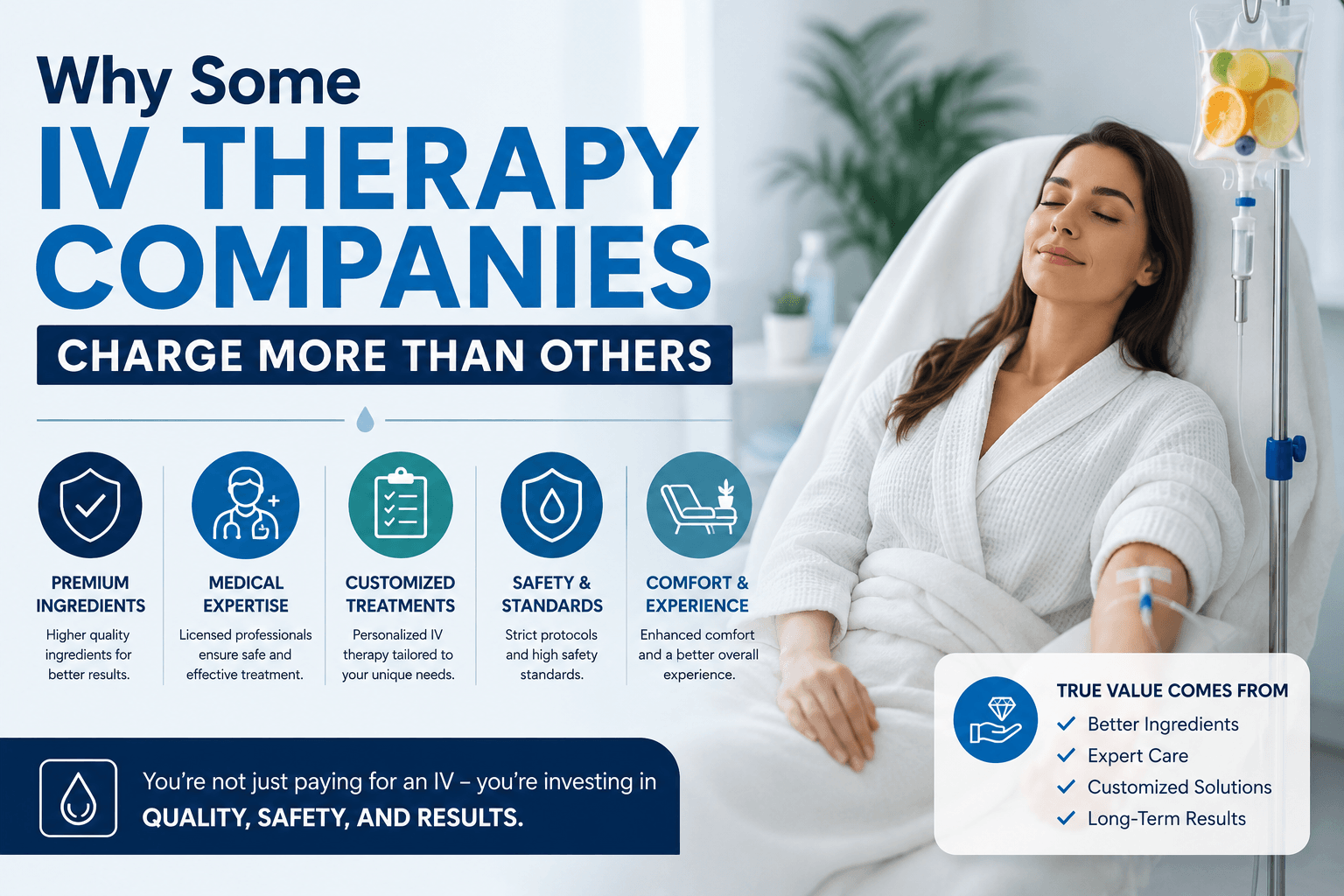
While ingredients certainly contribute to the overall price, they represent only one part of a much larger picture. The actual treatment involves trained personnel, patient screening, equipment, safety protocols, administrative support, and operational infrastructure.
Consumers evaluating IV therapy providers should consider the complete service being delivered rather than focusing solely on the contents of the infusion.
In many cases, two providers may offer similar ingredient profiles while investing very differently in staffing, training, oversight, and patient care.
Staff Qualifications Can Influence Pricing
The professionals administering IV therapy play a significant role in both safety and overall experience.
Healthcare professionals with extensive clinical backgrounds often require higher compensation due to their training, certifications, and experience. Providers that invest in highly qualified medical personnel typically incur greater operational costs than businesses utilizing less experienced staff where regulations permit.
Consumers may wish to ask questions such as:
- Who administers the IVs?
- What clinical experience do staff members have?
- What certifications or licenses are required?
- How are employees trained and evaluated?
Experienced healthcare professionals often bring valuable skills in patient assessment, IV placement, monitoring, and response to unexpected situations. Those investments in staffing are often reflected in pricing structures.
Medical Oversight Comes with Real Costs
Medical supervision is another important factor that can influence IV therapy pricing.
Responsible providers typically invest in physician oversight, protocol development, patient screening procedures, compliance programs, and ongoing clinical review. These systems help support patient safety and ensure treatments are administered appropriately.
While these measures may not be visible to the consumer during an appointment, they often represent a significant portion of a company’s operating expenses.
Consumers comparing providers should consider whether the company has established medical oversight rather than focusing exclusively on advertised pricing.
Healthcare-related services that prioritize compliance and patient safety often carry additional costs that contribute to the overall quality of care.
Ingredient Quality and Sourcing Matter
Not all ingredients are sourced in the same way.
Vitamins, minerals, amino acids, and compounded ingredients may vary based on manufacturing standards, testing procedures, and quality control measures. Providers that prioritize transparency and sourcing standards often invest more heavily in their supply chain.
Questions consumers may want to ask include:
- Where are ingredients sourced?
- Are quality standards documented?
- Are products tested for consistency?
- What standards do supplier facilities follow?
Higher-quality sourcing practices can increase operating expenses, but many consumers consider ingredient quality an important factor when evaluating wellness services.
Price comparisons become more meaningful when consumers understand what is being delivered behind the scenes.
Safety Protocols Require Ongoing Investment
Every reputable IV therapy provider should have safety systems in place.
Patient screening procedures, emergency response planning, staff training, equipment maintenance, documentation systems, and clinical protocols all require ongoing investment. These safeguards may not be obvious during a routine appointment, but they contribute significantly to the overall standard of care.
Consumers sometimes focus on the visible aspects of an appointment while overlooking the infrastructure that supports safe treatment delivery.
Companies that invest in comprehensive safety programs often face higher operating costs than providers that take a more minimal approach.
When evaluating pricing, it can be helpful to consider what protections are included as part of the overall experience.
Mobile Services Introduce Additional Expenses
Mobile IV therapy has become increasingly popular because of the convenience it offers.
Receiving treatment at home, in a hotel, or at an office can save time and provide a more comfortable experience for many individuals. However, delivering healthcare-related services outside a traditional location introduces additional logistical challenges.
Mobile providers often manage:
- Transportation costs
- Scheduling logistics
- Travel time
- Supply transportation
- Mobile equipment management
- Expanded staffing needs
These operational requirements can affect pricing and should be considered when comparing mobile and in-clinic services.
Convenience often carries additional costs, just as it does in many other service industries.
Physical Locations Have Their Own Costs
While mobile services involve transportation expenses, physical wellness locations have a different set of operational costs.
Maintaining a dedicated facility requires investment in rent, utilities, staffing, equipment, maintenance, cleaning, and regulatory compliance. These expenses contribute to the overall cost of delivering services in a professional environment.
Comparing clinic-based IV treatments involves looking beyond the headline price to understand what is included in an appointment. For example, Nadcell Clinic is a Glasgow-based wellness clinic offering vitamin drips and NAD+ IV therapy. Reviewing a clinic’s treatment information and asking about suitability, clinical oversight and overall costs can help patients make more informed comparisons without assuming that higher prices automatically mean better outcomes.
Consumers may not always realize how much infrastructure exists behind a wellness center or clinic.
Whether a provider operates mobile services, physical locations, or a combination of both, those operational decisions play a role in overall pricing structures.
Understanding these business models can help explain why providers offering seemingly similar treatments may charge different rates.
Why Extremely Low Prices Can Be a Warning Sign
Everyone appreciates a good deal, but consumers should approach unusually low pricing with caution.
In any industry, dramatically lower prices often raise questions about where costs are being reduced. While competitive pricing is common, extremely low promotional offers may warrant further investigation.
Consumers may want to ask:
- Are qualified professionals administering treatments?
- What safety procedures are in place?
- Is medical oversight provided?
- How are ingredients sourced?
- What is included in the advertised price?
The goal is not to assume that a lower-priced provider offers lower quality, but rather to ensure that important standards are not being sacrificed in pursuit of lower costs.
As with many wellness and healthcare-related services, value often extends beyond the advertised price tag.
Looking Beyond the Cost of a Single Appointment
One of the most effective ways to evaluate IV therapy pricing is to focus on overall value rather than individual treatment costs.
A slightly higher price may reflect investments in staff expertise, safety protocols, quality ingredients, medical oversight, or operational excellence. These factors may contribute to a more consistent and professional experience.
Consumers who evaluate providers based solely on price may overlook important differences that affect quality and peace of mind.
The most informed decisions typically come from understanding what is included in the service and determining whether the provider’s standards align with personal expectations.
Understanding the Bigger Picture Behind IV Therapy Pricing
IV therapy pricing can vary for many reasons, and the lowest advertised price does not always represent the best overall value. Behind every treatment is a combination of staffing, oversight, sourcing, safety measures, operational infrastructure, and service delivery.
By understanding these factors, consumers can make more informed comparisons and evaluate providers based on the complete experience rather than cost alone. Asking thoughtful questions and looking beyond marketing promotions can help ensure that pricing decisions are guided by quality, transparency, and confidence in the provider’s standards.