Active video games have ceased to be a niche entertainment for enthusiasts in recent years. They are gradually forming a new scene and can be used as leisure activities that combine physical activity, gaming motivation and digital technologies. Unlike classic gaming, these game formats require movement, coordination and the involvement of the whole body. In this article, we will explain why video games are considered the future of active leisure, an alternative to fitness and other types of recreation.
The evolution of active video games
Active video games have evolved from simple dance mats and motion controllers to complex systems with motion sensors and body tracking. Today, active video games are not only entertainment, but also a tool for maintaining health, developing endurance, reaction time, and spatial thinking. Users employ a variety of fitness simulators and sports video games to immerse themselves in digital competitions. These ensure constant movement for players, with each adapting to the workload.
Gamification, or in simple terms, the integration of game elements, plays an important role. The system of points, ratings, and progression motivates players very well. In this context, it is noteworthy that even in traditional esports, players are accustomed to relying on cs ranking and similar platforms to understand how well they are playing. Active video games use rankings, statistics and information resources to make progress tracking as accurate and convenient as possible.
From a technological point of view, active video games have become more accurate since the beginning of their creation. Thanks to the improvement of technology, inertial sensors and better devices have appeared that allow you to track the quality of movements, the correctness of technology and even the level of load. This makes such video games not only interesting, but also useful for training and maintaining a healthy lifestyle.
Virtual reality as a new form of physical engagement
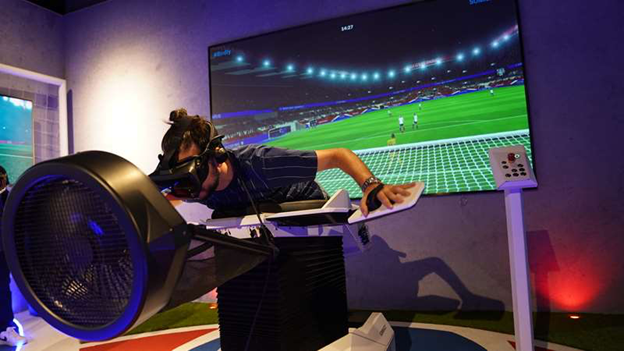
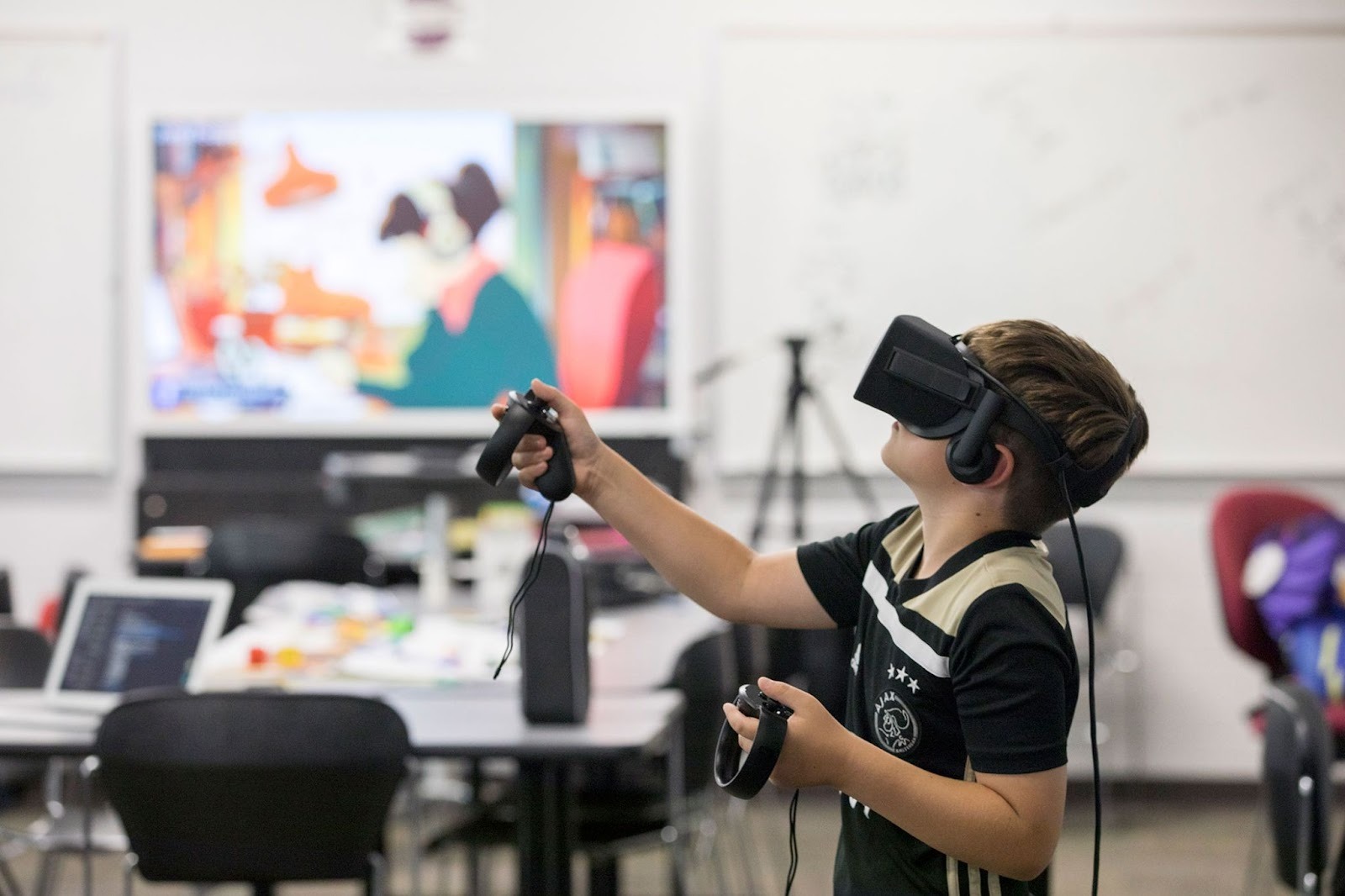
VR technology has lost some of its popularity, but it has significantly expanded the possibilities of active gaming. Unlike a screen, VR immerses the user in a three-dimensional space where the gameplay is based on human movements. The player does not just press buttons — they dodge, crouch, strike, run in place, and navigate the game environment. It is this involvement that makes VR a promising direction for active leisure.
Physical activity in VR is not comparable to training in the gym, but can be compared with a walk or medium-intensive cardio training. Studies show that 30-40 minutes of active VR play can replace a full gym session for people who do not like traditional fitness. It is also important that the user focuses less on fatigue, because attention is focused on the gameplay.
In addition, modern VR projects allow you to adjust the intensity, complexity and even the type of movements. Players can customize the game according to their skills, making them available to different age groups. This is especially true for avid gamers who do not spend a lot of time on motor activity. For them, sakme active video games can become a tool for regular physical activity without the need to visit the gym.
Impact on health, fitness, and lifestyle
There is a stereotype that video games have a negative impact on health. This can be refuted by active video games that rethink the approach to health and lifestyle. They do not compete directly with traditional sports, but they add activity to the lives of gamers. They are a good alternative to light exercise for people with sedentary jobs or limited time. Regular gaming sessions with movement improve coordination, balance and overall physical activity levels.
The psychological effect is also important. Active video games reduce stress, increase motivation and create a sense of achievement. Their advantage is precisely the game format, which interests users more than classic training. For many players, this becomes a key factor in forming healthy habits.
In addition, video games promote socialization. Online modes, cooperative missions and joint training allow you to develop communication skills and teamwork. In addition, active video games can combine this with exercise, making the gameplay even more interesting. This is especially true in conditions where traditional forms of active leisure are limited by space or a tight schedule.
Future trends in active leisure and gaming
It is quite difficult to predict trends and developments in active recreation, but it is expected that they will be closely linked to technological developments. The integration of innovations will make video games more personalised, adapting to the user’s physical condition in real time. Sensors will be able to analyse heart rate, fatigue levels and even the quality of movements, adjusting the load accordingly.
The role of active video games in education and the corporate sector will also grow. If this game genre gains popularity, trainings, teams and training simulations with physical activity will appear, which can become the standard in the gaming industry. In combination with elements of e-sports and rating systems, this creates a new culture of active leisure, where users will simultaneously play and train.
Equally important is the development of affordable VR devices. Currently, such devices are quite expensive because of which some gamers prefer classic peripherals. With a decrease in cost and simplification of VR settings, gaming will somewhat increase its popularity. As a result, active video games will cease to depend on trends and become a full-fledged part of the gaming ecosystem.
Conclusion
Putting all the facts together, we can say that active video games can be an effective tool for active leisure, combining physical movement, digital technology and gamification. They offer an effective alternative to passive recreation and classic fitness, making gamers healthier and the gaming process more interesting. Thanks to the development of VR, sensors and personalised training systems, this format has every chance of gaining popularity and reaching the same level as other types of active leisure. In the author’s opinion, the future belongs to entertainment that makes you move, think and develop.