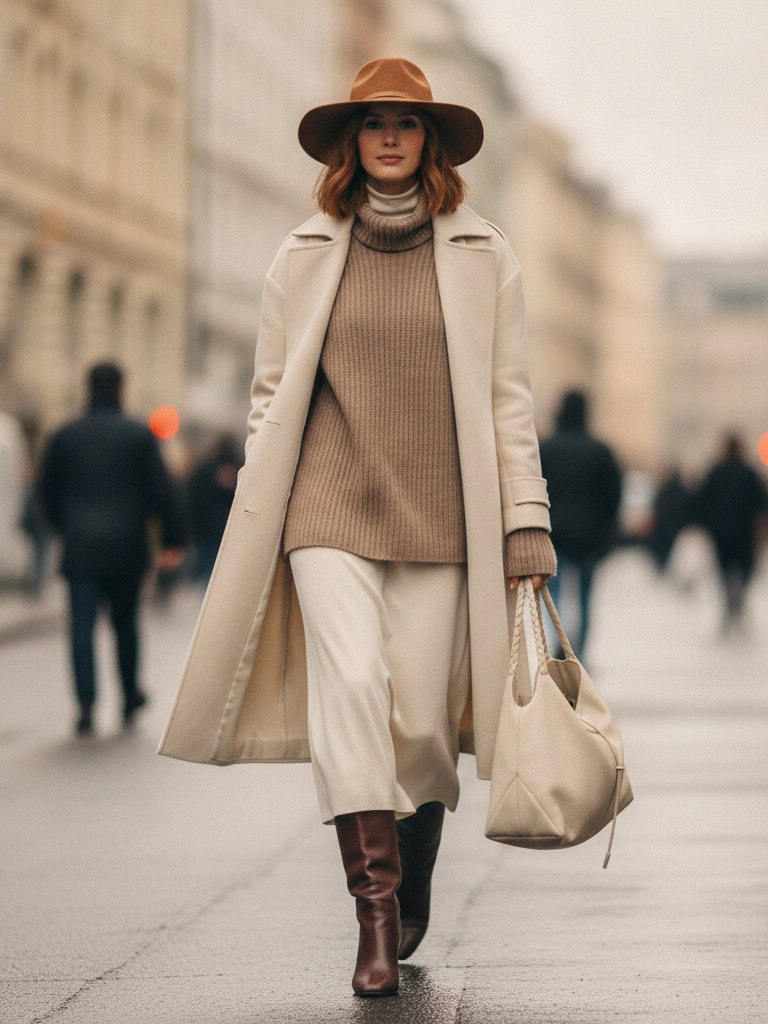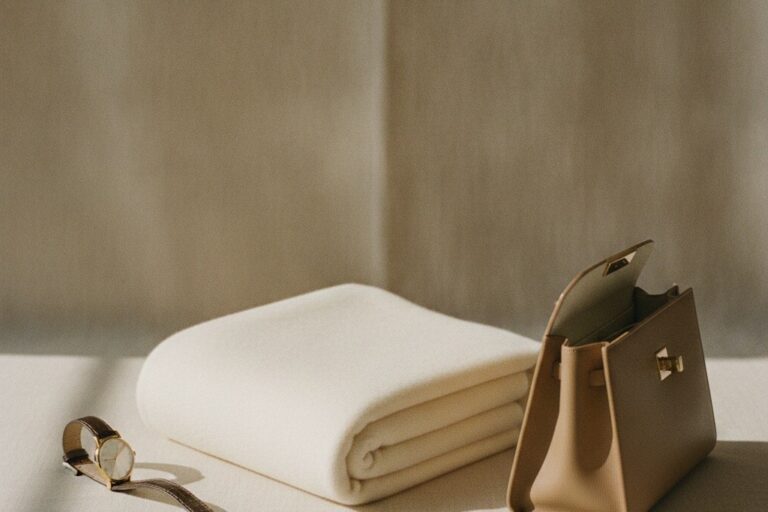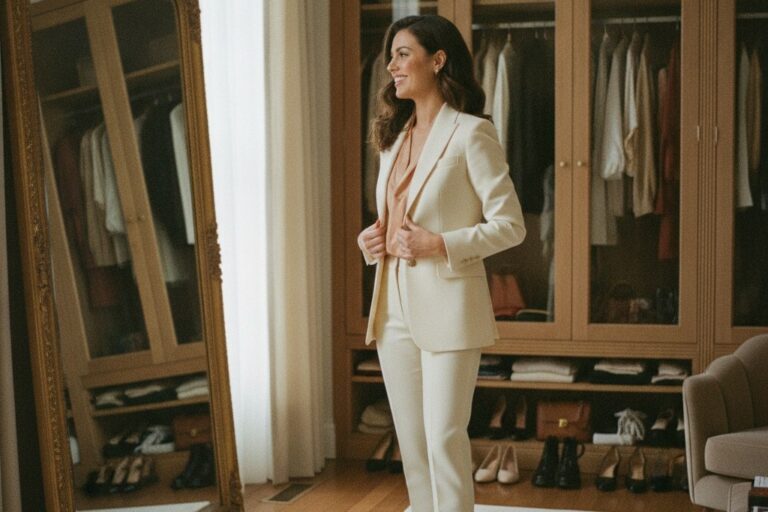
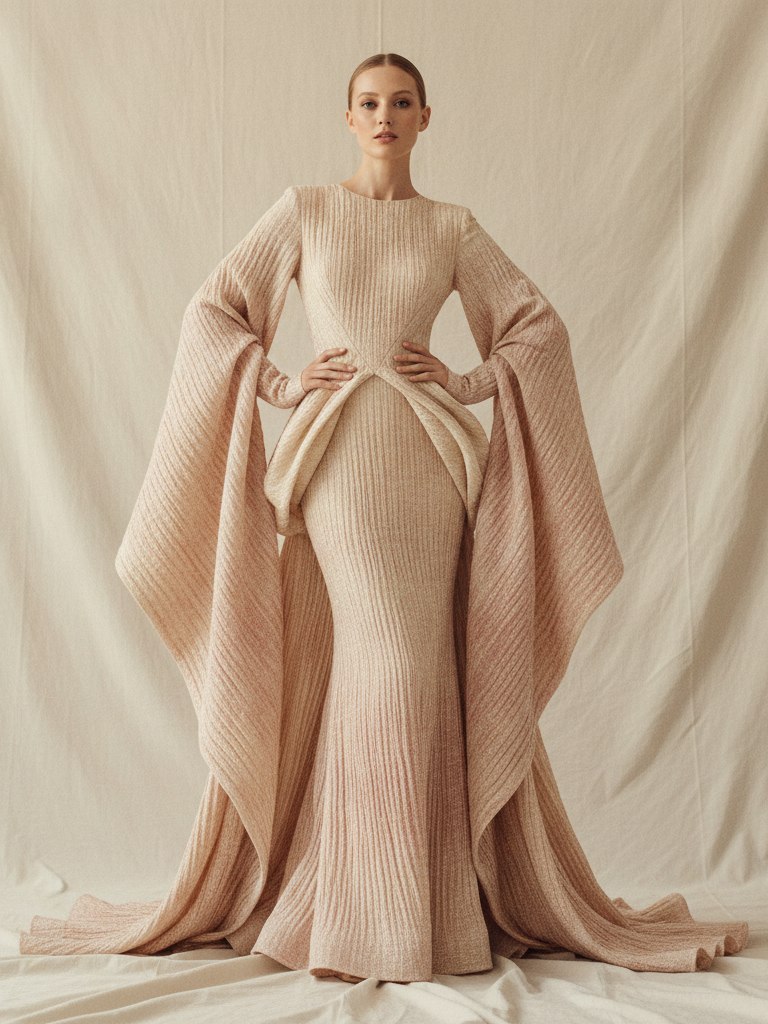
Considered dressing — often called “quiet luxury” — is a way of dressing that prioritises fit, fabric and cohesion over logos, trends and visible price. It is the opposite of fast fashion’s churn: a smaller, better wardrobe of pieces chosen to last and to work together, where quality shows in the cut and the cloth rather than on a label. You do not need a designer budget to do it — you need restraint, good tailoring and a clear point of view.
There is a particular kind of calm that arrives when you stop chasing the next thing. Not resignation — the opposite. A wardrobe built slowly, piece by considered piece, asks a quieter question than the one fast fashion shouts at us daily. Not what is new? but what is mine?
Considered dressing is less a trend than a posture. It begins with subtraction: the honest edit of a closet down to the pieces that actually get worn, that actually feel like you. What remains is rarely the loudest garment. It is the coat that fits across the shoulders exactly right, the trousers whose hem you finally had taken up, the single good knit that has quietly outlasted a dozen impulse buys.
Fewer things, chosen better
The instinct to accumulate is understandable — abundance feels like safety, and a full rail looks like possibility. But possibility and paralysis share a wardrobe. Most of us wear a small fraction of what we own, on rotation, because those few things simply work. The considered approach makes that rotation intentional rather than accidental.
Start with the pieces you reach for without thinking. Notice their common thread — a colour, a cut, a weight of fabric, a mood. That thread is your actual style, as opposed to the aspirational one hanging unworn with the tags still on. Buy toward the thread, not away from it.
Style is not the pursuit of more. It is the confidence to need less, and to wear what remains as though you mean it.
The economics of restraint
There is a practical argument here too, and it is not a small one. A garment worn two hundred times costs a fraction per wear of the trend-piece worn twice. Restraint is not deprivation; over a wardrobe’s lifetime it is simply the better arithmetic. The considered buyer spends more per item and far less in total — and dresses better for it.
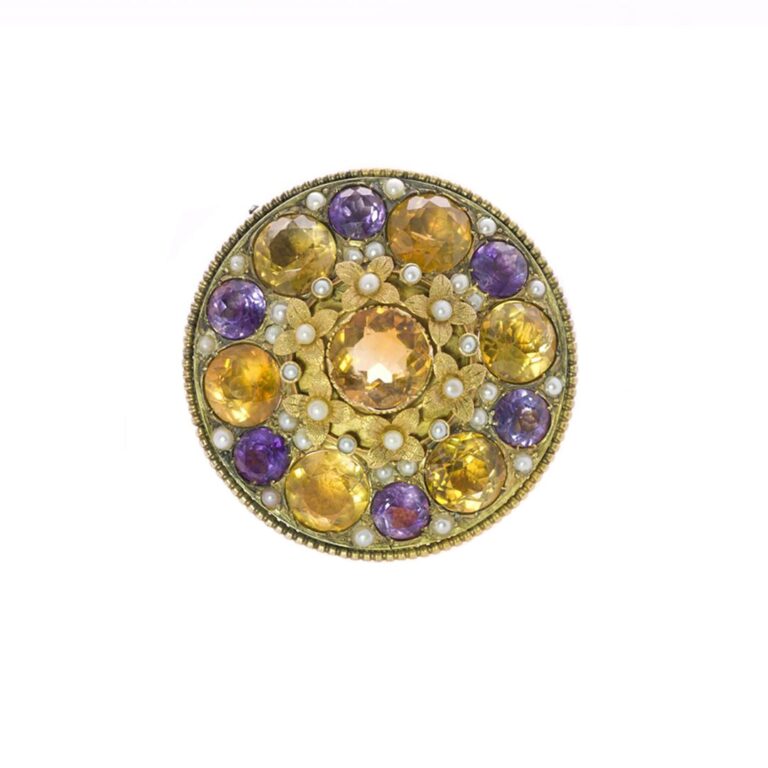
None of this requires a uniform, or a joyless palette of greige. Considered does not mean plain. It means deliberate: the unexpected colour chosen on purpose, the vintage brooch that means something, the tailoring adjusted to your own frame rather than an average one. Personality lives in the details you choose to keep.
Where to begin
- Audit honestly. Pull everything worn in the last month. That is your real wardrobe — build from it.
- Fix before you buy. A tailor and a cobbler will do more for your style than most new purchases.
- Buy the anchor, not the accessory. Spend on the coat, the shoes, the bag — the pieces that carry everything else.
- Wait a week. If you still want it after seven days, it is probably a keeper, not a craving.
In the end, a considered wardrobe gives back something the endless scroll never can: the quiet confidence of getting dressed without a second thought, because everything in front of you already feels like yours. That is the whole point. Feel good. Look great.
Frequently asked questions
What is quiet luxury dressing?
Quiet luxury — sometimes called considered dressing or “stealth wealth” — is a style built on quality, fit and restraint rather than obvious branding. Instead of logos and of-the-moment trends, it favours excellent fabrics, precise tailoring and a tight, cohesive colour palette, so an outfit reads as expensive because of how it is made and how it fits, not because of a recognisable name. The point is longevity: fewer pieces, chosen to last for years and to combine in many ways. It is as much a buying philosophy as a look — spend where it shows, keep the palette disciplined, and let the clothes rather than the label do the talking.
Do you need designer labels for quiet luxury?
No. Quiet luxury is defined by the absence of visible branding, so a designer label is beside the point — and often counter to it. What actually creates the look is fabric quality (natural fibres and substantial cloth), a clean, well-considered fit, and a restrained palette of neutrals and tonal colours. Plenty of mid-market and secondhand pieces deliver all three. Focus your budget on the items worn most often and closest to the body — a good coat, fine knitwear, leather shoes and a quality bag — and be relaxed about the rest. A well-pressed outfit in good cloth that fits properly will always read more “luxury” than a logo on a badly cut one.
How is quiet luxury different from minimalism?
They overlap but are not the same. Minimalism is mainly about quantity and visual simplicity — owning less and keeping lines clean. Quiet luxury is about quality and cohesion — the pieces can be minimal, but the defining features are the fabric, the fit and the sense that everything was chosen deliberately to go together. You can be a maximal dresser and still practise quiet luxury if the pieces are excellent and coherent; and you can be a strict minimalist in cheap, ill-fitting basics, which is not quiet luxury at all. Think of minimalism as an aesthetic, and quiet luxury as a standard of make and fit applied to whatever aesthetic you prefer.
How do you dress “considered” on a normal budget?
Start by editing what you own: keep only the pieces that fit well and that you genuinely wear, and note the gaps. Then buy slowly, prioritising the anchors — a good coat, versatile knitwear, well-cut trousers and quality shoes — over trend pieces. Stick to a small palette of neutrals so everything combines effortlessly, and get key items tailored; a small alteration transforms how an inexpensive jacket or pair of trousers looks. Favour natural fabrics, check the construction (seams, lining, buttons) rather than the label, and look at secondhand and archive pieces, where quality-per-pound is often far higher. Considered dressing is ultimately about buying less and choosing better, which suits a modest budget far better than a fast-fashion habit does.