Finding sunglasses that look proper isn’t just wearing what’s in stock or desperately buying the first option they find. Instead, it’s all about face shape and the fact that certain frames complement or destroy one’s natural features. People purchase styles that they adore without realizing how out-of-shape they will look until they wear them. The frame shape is far more crucial than many shoppers give credit.
Why Face Shape Is Important
Certain frame styles exist to neutralize a percentage of a person’s face to add balance. Other frames play up elements that shouldn’t be played up. For example, round faces can connect too much with round glasses while sharp features are far too geometric with super geometric frames. While it sounds counterproductive, the best option is balance, not symmetry. A round face needs rounded edges to balance it out (pun intended), but that’s not the case; it accentuates what’s already there.
Therefore, if someone has a super-defined jaw, softer frames will bring balance. If someone’s face is round, they’ll need structure and definition to the frames. It’s not rocket science; it’s just about seeing a person’s facial anatomy other than “that would look cool.”
The Face Shapes and What to Get
Round Faces
A round face features soft curves with similar measurements width-wise and length-wise. Generally, the cheeks are the widest, and there’s no exaggeration from the jaw to the forehead. Thus, a round face will need something angular that’s going to play up its defined features. Geometric frames that boast rectangles and defined corners help make the appearance of length as well as contour.
Aviators can work in this case, too, especially the more angular types rather than the super rounded versions. Cat-eye frames are a great option because they help bring attention upward and outward. The worst options? Anything circular or too round to emphasize what’s already there.
Oval Faces
An oval face is often considered the best proportioned (which means there’s less frame variety!). An oval face is longer than it is wide, rounded, with a forehead that’s a bit wider than the jawline but not too different for it to be noticeable.
Since an oval face isn’t one extreme or another and boasts natural balance, it’s all about proportion. Frames that are oversized might overwhelm smaller features while tiny frames might look silly on larger faces. Typical alignment works: square, round, cat-eye, and wayfarers typically do well. When searching for options that flatter a versatile option, checking out popular womens sunglasses online are great ways to get proportions right.
Square Faces
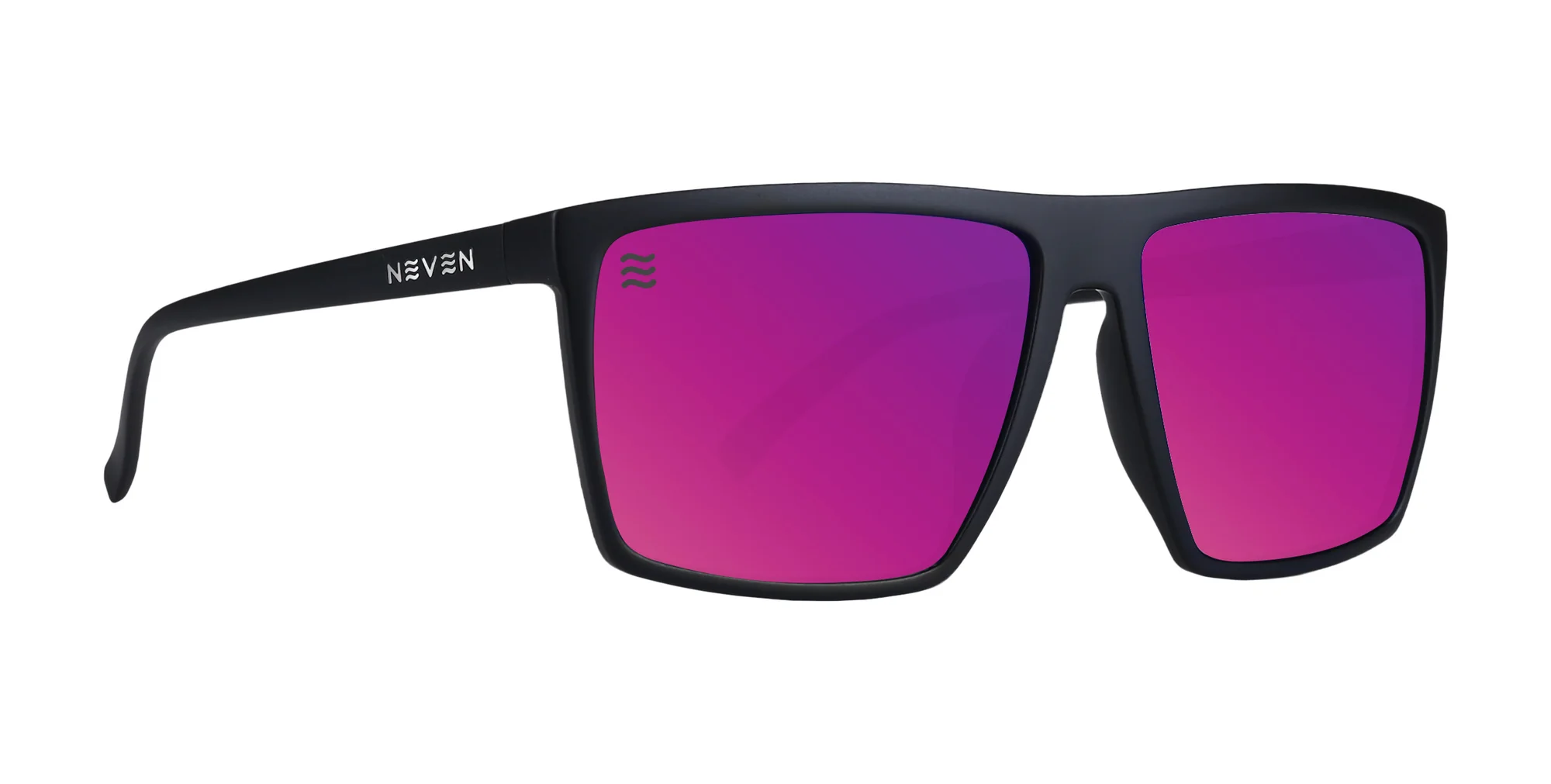
The square face has more angle with defined jawlines. The forehead is the same width as the jawline with straight sides. For this face, super rounded or oval frames help soften those angles. Frames that have curves help minimize the amount of structure.
Aviators work rounded; round or oval works great; cat-eye styles can blend nice to add some upward motion. However, any boxy option or rectangular that plays off angles should be avoided as should small frames that make strong jaws stand out.
Heart-Shaped Faces
Heart-shaped faces are wider at the forehead and cheekbones and taper down to defined or delicate jaws. The goal is to balance out the top heavy size of the person’s frame better with something bottom heavy (or vice versa).
Bottom-heavy frames or frames that add volume to the lower third of the shape do best. Aviators work best because they’re wider at the top but add some balanced weight; cat-eye works if it isn’t too extreme; round works in medium sizes. Tapering options too much or extremely heavy at the top play up too much forehead.
Diamond-Shaped Faces
The diamond-shaped face is narrow at the forehead and jawline but wide at the cheekbones, the rarest face shape. In this situation, it’s either emphasized with cheekbones or balanced with small top-and-bottom pieces.
Cat-eye and oval work nicely to create some softness while rimless options or distinctive brow lines add advantage. Avoid smaller styles that might play up cheekbones even more.
Getting Proportions Right
Beyond basic facial shapes is proportion. Holes (frames) that are too wide make faces look smaller; holes that are too small look squished on people’s faces even when they’re adjusted because none of this looks good.
Temple arms matter. If they are far too constricting, they’ll pinch or cause headaches; if they’re too loose they’ll fall down all day long. Quality sunglasses have adjustability but starting in the proper place helps immensely.
The bridge matters. A bridge that’s too tight pinches; a bridge too wide either sits too low or angles poorly. Either way, you have to try on specific styles (or watch measurements while purchasing to make it work).
What About What’s in Fashion?
What’s in fashion absolutely determines what’s on stock and what’s current and best, but it shouldn’t trump face shape compatibility.
Oversized options are in fashion for year and that’s great, but it’s not universally applicable as glorious as one giant lens might have looked on projection.
People get things that don’t suit their faces because they’re in style and then other sunglasses just sit in drawers never being worn because they never looked right and didn’t feel good either.
It’s better to search within certain categories of styles determined by face frames to find similar tendencies rather than just buy what’s popular.
The Try-On Situation
At the end of the day, trying on and getting the feedback works best regardless of all of this. What seems good doesn’t always look good. Some people like bolder frames while others like subtle ones. It has to be personal.
Get an assessment for overall balance, does it seem overpowering, does it disappear? Is there good space away from and comfortably on/in? Is it at an angling that’s complementary? These practical things matter just as much as reading about recommendations.
Final Thoughts
Ultimately, the sunglasses that fit best are those for someone who knows what they’re doing. They’re not blindly attempting proportions, there’s a plan behind everything which creates balance by giving contrast instead of matching everything.
Curved faces should have structure; square faces need softness; everything needs to fit well otherwise it looks ridiculous. Better quality matters and so does a good frame.
Otherwise, these frames just sit in drawers because it’s not worth it. But taking time makes sense so that when better sunglasses come along or bigger opportunities down the road occur instead of spending and having them go to waste, you can assess what works best.