
areyoufashion com
What To Know About Improving Skin Texture and Glow
Healthy, radiant skin is not just about looking good; it is a reflection of…
Clear, no-nonsense skin care — the handful of steps that genuinely make a difference, tailored to your skin type rather than the latest fad.
Healthy, radiant skin is not just about looking good; it is a reflection of…

Looking runway-ready all year long isn’t reserved for catwalk regulars or glossy magazine shoots.…
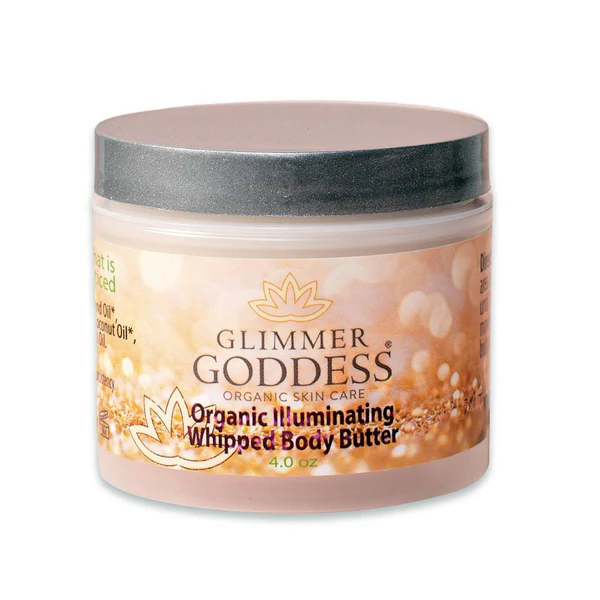
People want skincare that works effectively, feels safe, and makes them comfortable every day.…

Skincare is not a one-size-fits-all approach—what works for your skin in your 20s might…

Aging is a natural process that we all have to undergo. Although we should…
Beauty IV Therapy, also known as intravenous therapy, has gained immense popularity in recent…
Multi-purpose balms, also known as multi-use balms or ointments, are versatile skincare products designed…
Choosing the right body butter is essential for smooth and healthy skin. There are…
After the pandemic, the real luxury became the health and wellness. There was a…

When sprucing up your wardrobe, picking the ideal clothes can be tough. You need…
Good skin care is simpler than the industry suggests. A reliable routine has just four steps: cleanse morning and night, treat a specific concern with a targeted serum, moisturise to support the skin barrier, and protect with broad-spectrum SPF every morning. Sunscreen is the single most effective anti-ageing and skin-health step there is; everything else is optimisation on top of it. Master these four before adding anything else.
Your skin type decides your products. Oily skin does well with gel cleansers, lightweight fluids and niacinamide. Dry skin wants cream cleansers, richer moisturisers and hydrators like hyaluronic acid and ceramides. Combination skin can zone its products — lighter on the T-zone, richer on the cheeks. Sensitive skin should keep the routine short and fragrance-free, patch-testing anything new. Knowing your type stops you buying products designed for someone else's face.
Most concerns respond to a small number of proven ingredients. For dullness and fine lines, vitamin C in the morning and a retinoid at night are the gold standard. For breakouts, look to salicylic acid and niacinamide. For dryness, layer hyaluronic acid under a ceramide moisturiser. Introduce actives one at a time, a few nights a week, and give each six to eight weeks before you judge it — skin renews slowly, and consistency beats intensity.
You can ignore most of what trends online. You don't need a ten-step routine, harsh scrubs (which damage the barrier), or a new product every month. Over-exfoliating and layering too many actives cause more problems than they solve. When in doubt, do less, more consistently — and see a dermatologist for persistent or worsening concerns, as this is general guidance rather than medical advice.
What are the basic steps of a skin care routine?
Cleanse, treat with a targeted serum, moisturise, and apply broad-spectrum SPF every morning. Those four steps, done consistently, cover the essentials for most people.
What is the most important skin care step?
Daily broad-spectrum sunscreen — it's the most effective step for both skin health and preventing visible ageing.
How long before skin care products show results?
Give most products six to eight weeks of consistent use, since skin renews slowly and active ingredients need time to work.