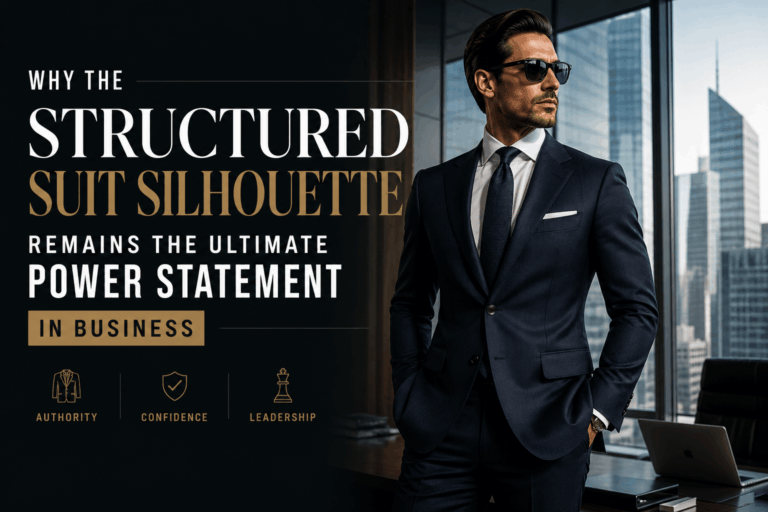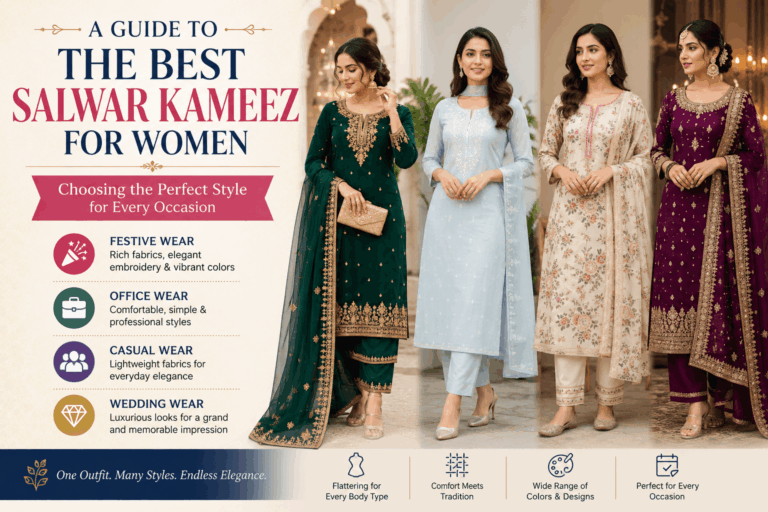
The meaning of power dressing is changing. Once defined by rigid tailoring, sharp shoulders and formal corporate uniforms, it is now becoming softer, more versatile and better suited to the way people work and live today.
Soft power dressing is rooted in intention. It uses proportion, fabric quality, color and fit to create a sense of confidence without relying on overly structured silhouettes. As professional wardrobes have evolved, comfort and function have become just as important as polish, reflecting the changing routines and expectations of modern working life.
Beyond tailoring as armor
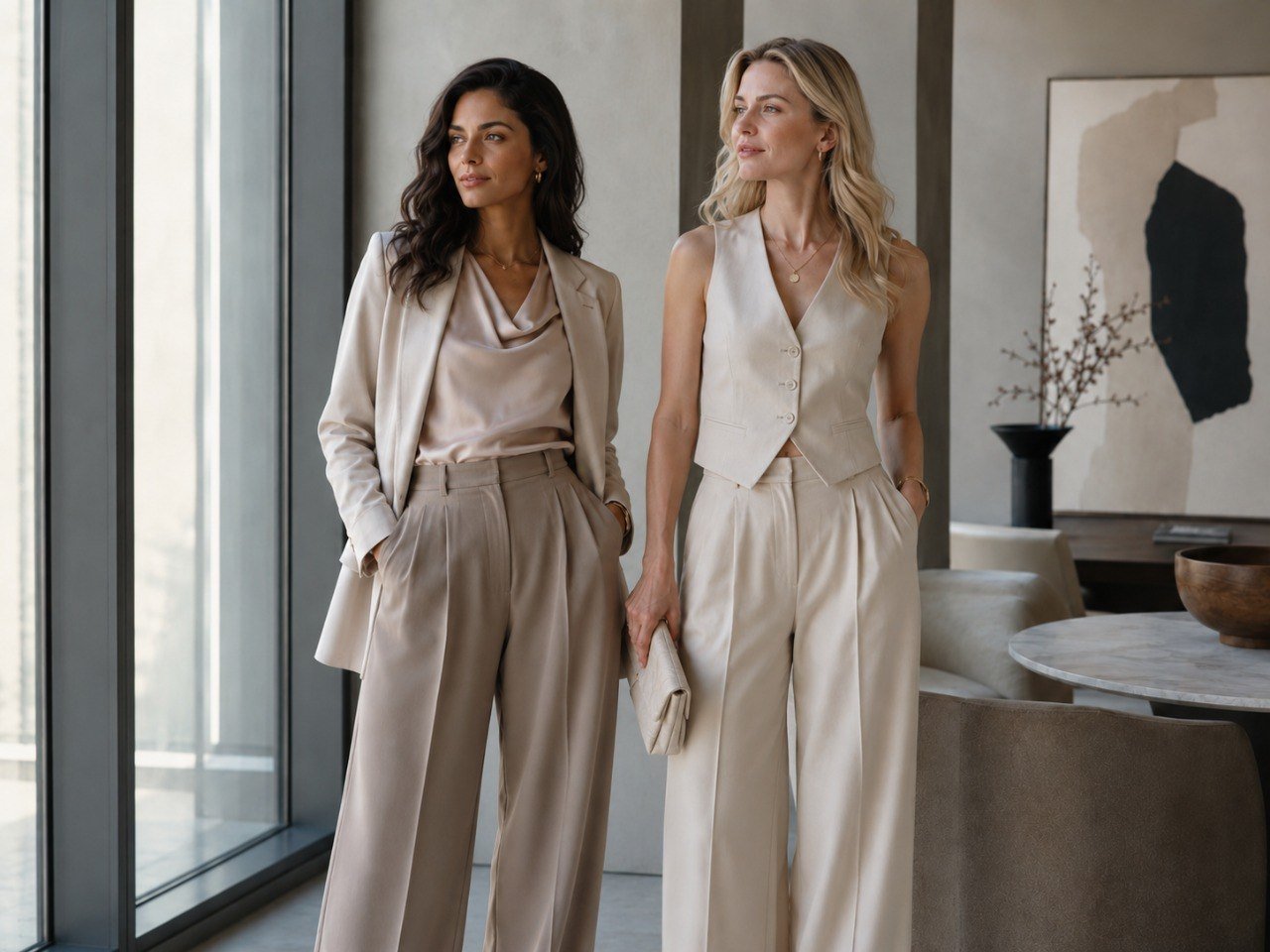
Power dressing in 2026 moves beyond the idea of tailoring as armor. Lightweight fabrics, relaxed cuts and thoughtful layering offer a more understated expression of authority. The result sits somewhere between the formality of the traditional corporate suit and the ease of contemporary casualwear, allowing clothing to move between different parts of everyday life without losing purpose or refinement.
This approach is neither a nostalgic Laura Ashley-style print nor a double-breasted blazer dominated by exaggerated “power shoulders”. Instead, it finds a more wearable middle ground, where structure is softened and familiar wardrobe staples are reinterpreted with greater movement and ease.
Designers such as Simone Rocha and Miu Miu have helped popularize this direction through softer interpretations of wardrobe staples, including workwear blazers and high-waisted trousers. Their use of layering, fluid fabrics and relaxed proportions shows how traditional ideas of polished dressing can be adapted without losing their sense of presence.
The next generation of power dressing offers a middle ground between the harsh three-piece suits of traditional corporate America and today’s streetwear. It favors clothing that can adapt to different parts of everyday life without losing polish or purpose.
How to adopt soft power dressing
Unlike micro-trends, soft power dressing is surprisingly easy to adopt. Off-price retailers such as Ross and TJ Maxx make this trend accessible by offering tailored separates, premium fabrics and versatile staples at lower price points. For consumers, this creates an opportunity to experiment with a new style direction without rebuilding an entire wardrobe.
The off-price environment also lends itself naturally to this kind of dressing because it encourages discovery rather than prescribing a single head-to-toe look. Shoppers can mix a structured blazer from one brand with a fluid trouser, knit or silk-blend piece from another, creating a wardrobe that feels more personal and less trend-driven.
Because off-price stores often carry a constantly changing assortment across brands, categories and price points, consumers can focus on finding well-made individual pieces that work with what they already own. That accessibility is particularly relevant as consumers become more selective about how they spend.
Soft power dressing does not depend on owning the newest collection or following a rigid seasonal uniform. Its value comes from versatility, quality and the ability to rework the same pieces across professional, social and everyday settings. In that sense, the off-price model supports the very idea behind the trend, which is dressing with intention rather than simply buying into the next fashion cycle.
The impact of soft power dressing is already visible in casual clothes and is beginning to extend into workwear and evening wear. This movement is resonating with millennials and Gen Z, who are increasingly drawn to versatile clothing. It is more nuanced than ever today, for it can be structured yet comfortable, polished yet adaptable, allowing individuals to define authority through clothing in a way that feels authentic to their own lives.