
 Trending
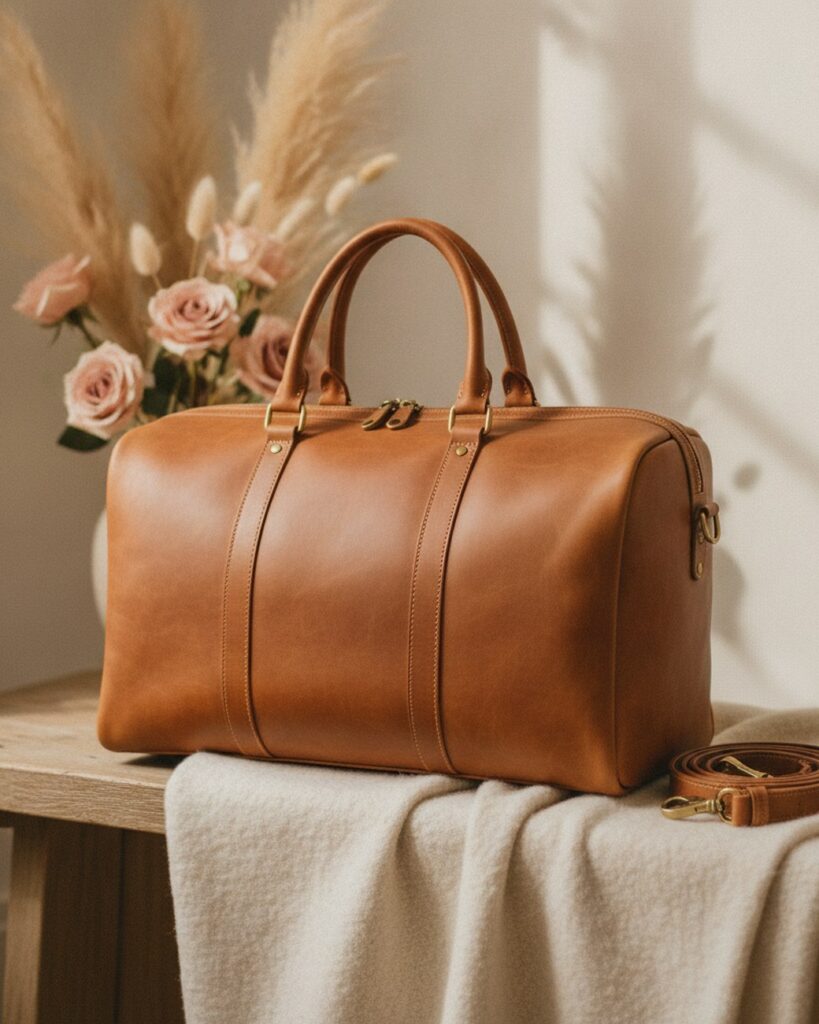
The Weekender Bag
One well-chosen holdall makes short trips feel effortless — and looks far better than a wheelie case.
- Price guide
- £50–£320
- Best for
- Weekends away, gym-to-work, and committed light packers.
The grown-up upgrade to your overnight kit. Buy well once.
Independent editorial guide. The price guide is a typical market range for this type of product, not a specific retailer’s price. Where we link to shops, some links may be affiliate — which never changes our verdict.
A good weekender bag is a soft-sided holdall built for two to three nights away: roomy enough for clothes and shoes, structured enough to keep its shape, and light enough to sling over one shoulder. Choose leather for longevity and looks, canvas or nylon for weight and washability, and check your airline's carry-on limits before you buy.
What to buy
How to choose The Weekender Bag at every budget — what to look for at each tier, from a first-try buy to an investment piece.
Lightweight cotton-canvas holdall with a simple top-zip opening, basic webbing straps and a single main compartment; ideal for occasional short trips on a modest budget.
Mid-weight full-grain or top-grain leather holdall with a reinforced base, padded shoulder strap and one interior zip pocket; built to be used weekly and to age gracefully.
Premium leather or technical-fabric holdall with robust hardware, a dedicated shoe compartment, reinforced stitching throughout and a longer expected lifespan for frequent travellers.
Structured-but-soft nylon or recycled-fabric holdall sized to squash into cabin sizers, with a trolley sleeve, exterior document pocket and water-resistant base.
A weekender bag sits in the sweet spot between a handbag and a full suitcase. It’s the piece you reach for on a Friday afternoon when you’re heading away for two or three nights and don’t want to wheel a hard case through a station or wrestle it into an overhead bin. Done well, a weekender bag is soft enough to squash into tight spaces, structured enough to hold its shape when half-empty, and smart enough to go from train platform to hotel lobby without a second thought. This guide walks through why the format works, how to pack one properly, what to look for when you’re choosing, and how the main materials compare, so you can buy once and buy well.
Why a good weekender bag is worth it
The appeal of a weekender bag is really about friction, or the lack of it. A wheeled case needs pavement, lifts and level floors to be genuinely convenient; a weekender bag just needs a free shoulder. That makes it the better choice for city breaks, festival trips, hospital-bag readiness, or any short stay where you’ll be on foot more than you’re in a car boot. A well-made one will also outlast several cheaper suitcases, because there are no wheels, zips-within-zips or telescopic handles to fail. The best weekender bag for you is simply the one whose size, material and carry style match how you actually travel, not the one with the most compartments.
How to pack a weekender bag
Packing a soft holdall well is a slightly different skill to packing a structured case, because there’s no rigid shell to pack against. Building around a system keeps things from turning into a crumpled heap by the time you arrive.
- Use packing cubes or slim fabric pouches to group categories (tops, underwear, accessories) so the bag’s soft sides don’t let everything mix together.
- Roll rather than fold soft fabrics; it saves space and cuts down on deep creases for a two-to-three-night trip.
- Put a dedicated shoe or wet-item pocket, if your bag has one, to keep soles away from clothing; if it doesn’t, wrap shoes in a drawstring bag or shower cap before they go in.
- Pack heavier items (washbag, shoes, charger cables) towards the base near the strap drop, so the bag doesn’t pull awkwardly on your shoulder.
- Keep a flat, thin pocket free for documents or a paperback you’ll want without unpacking the main compartment.
- Leave a little slack rather than packing to bursting; an overstuffed soft bag loses its shape and strains the zip.
How to choose a weekender bag
Once you know roughly how you’ll use it, the decision comes down to a handful of practical factors rather than looks alone.
Material
This is the biggest fork in the road, covered in detail in the comparison below, but as a rule: leather ages well and looks the part for smarter trips, while canvas, nylon and recycled fabrics are lighter and easier to wipe clean after a grubby journey.
Size and capacity
Most weekender bags sit somewhere between 30 and 50 litres. Anything smaller struggles past a single overnight; anything larger starts to behave like a small suitcase and loses the “grab and go” appeal. Think in nights away rather than litres: two to three nights is the format’s natural home.
Base and structure
A reinforced or slightly rigid base matters more than it sounds. It stops the bag sagging when set down on a train floor or taxi boot, and protects the contents from damp pavements.
Straps and carry style
Look for a top handle for short carries plus a longer, ideally adjustable and padded, shoulder strap for the walk from platform to hotel. A strap that detaches is handy but not essential.
Compartments
A separate shoe or shower-shoe pocket, a zipped internal pocket for valuables, and an exterior pocket for a phone or tickets cover most needs without adding bulk.
Carry-on considerations
Many weekender bags are marketed as cabin-friendly because their soft sides squash to fit sizers, but hand-luggage rules vary by airline and even by fare type, so always check your airline’s limits before you fly rather than assuming a “carry-on” label guarantees it will be accepted.
Leather vs canvas vs nylon vs recycled: how they compare
| Material | Weight | Durability | Look | Care |
|---|---|---|---|---|
| Leather | Heavier | Very high; improves with age | Polished, classic | Occasional conditioning; keep away from heavy rain |
| Canvas | Light to mid | Good; can fray at stress points over years | Casual, relaxed | Spot clean or gentle hand wash; air dry fully |
| Nylon | Very light | High; resists water and abrasion well | Sporty, technical | Wipe clean; machine washable on some styles |
| Recycled fabric | Light to mid | Good; varies by weave and finish | Modern, understated | Wipe clean or gentle wash per care label |
Using a weekender bag as a carry-on
Because they’re unstructured, weekender bags are often easier to squeeze into an overhead bin or under-seat space than a hard case of the same stated volume. That flexibility is the main reason they’re popular as hand luggage. The trade-off is that a very full soft bag can bulge past a sizer even if it was fine half-empty, so pack with a little room to spare if you know you’ll be tested at the gate. As above, treat any “carry-on size” claim as a guide rather than a guarantee, and check your airline’s limits, which vary, before you travel.
Who a weekender bag suits, and common mistakes
A weekender bag suits people who travel short and often, who move mostly on foot or by public transport, and who’d rather sling a bag over one shoulder than steer a case. It suits commuters who double their overnight bag as a gym bag, and it suits anyone who finds a full suitcase overkill for two nights away. It suits less well those who pack heavy for every trip, or who need a bag to stand upright unaided at all times, since soft sides will always slump a little when set down. The most common mistakes are buying on looks alone without checking the strap and base, overpacking a bag that was never meant to replace a suitcase, and assuming a “cabin-friendly” description removes the need to check the airline’s own rules. Get the size and material right for how you actually travel, and a weekender bag earns its place as the one bag you reach for without thinking.
The case for
- Flexible soft shape squeezes into tight spaces a hard case can't
- Light enough to carry comfortably over one shoulder
- Faster to pack and unpack than a full suitcase
- Doubles easily as a gym, hospital or day-trip bag
Worth considering
- Soft sides offer less protection for fragile items
- Can slump or lose shape when only partly full
- Fewer organisational compartments than a structured suitcase
Frequently asked questions
What size is a weekender bag?
Most weekender bags hold roughly 30u201350 litres, enough for clothing and shoes for two to three nights away. Think in terms of nights rather than exact litres: anything smaller feels cramped past one night, while anything larger starts to behave like a small suitcase rather than a grab-and-go holdall.
Can a weekender bag be a carry-on?
Many weekender bags are designed to squash into cabin-size sizers because their soft sides flex, unlike a rigid case. However, hand-luggage allowances vary by airline and fare type, so always check your airline's limits before flying rather than assuming any bag labelled 'carry-on' will automatically be accepted.
Leather vs canvas weekender: which is better?
Neither is objectively better; it depends on priorities. Leather is heavier but ages beautifully and suits smarter trips, needing occasional conditioning. Canvas is lighter, more casual and easier to spot-clean, though it can show wear at stress points sooner. Choose leather for longevity and looks, canvas for lightness and easy care.
How do you pack a weekender bag?
Use packing cubes to separate clothing categories, roll rather than fold to save space, and use a dedicated shoe or wet pocket to keep footwear away from clothes. Place heavier items near the base by the strap drop for comfortable carrying, and leave a little slack so the bag keeps its shape and the zip isn't strained.
Is a weekender bag worth it?
For anyone taking frequent short trips on foot or by public transport, yes: it's lighter and quicker to pack than a suitcase and squeezes into spaces a hard case can't. It's less worth it if you routinely pack heavy or need a bag that stands upright unaided, since soft sides will always slump a little when set down.
What should I look for in a weekender bag?
Prioritise a reinforced base, a comfortable adjustable shoulder strap alongside a top handle, and a separate shoe or wet-item compartment. Match the material to how you'll use it, size it to two or three nights away, and if you plan to fly with it, check your airline's cabin-luggage limits rather than relying on marketing claims.
- A weekender bag suits two to three nights away, not longer trips.
- Leather rewards longevity and looks; canvas and nylon reward light packing and easy care.
- Pack with cubes, roll clothes, and use a shoe pocket to keep footwear separate.
- Treat 'carry-on friendly' as a guide only, always check your airline's own limits.