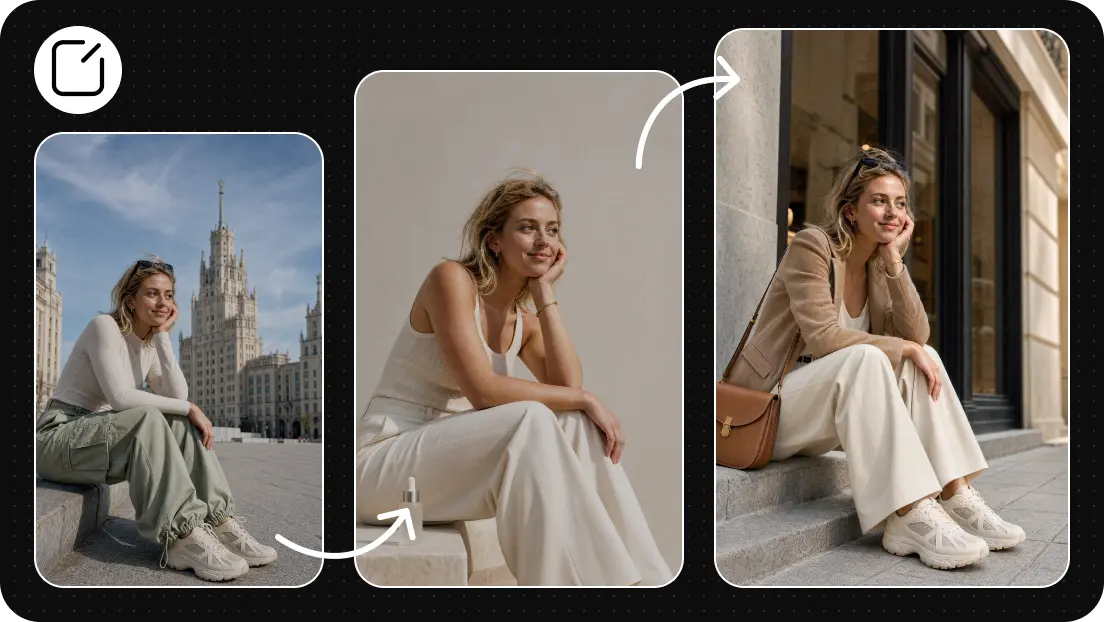
Fashion has always been more than clothing. It reflects personal identity, cultural influences, creativity, and the way individuals choose to present themselves to the world. Over time, fashion inspiration has moved from magazine covers and runway shows to celebrity appearances, fashion blogs, and social media creators. Today, digital technology is introducing another interesting influence into this landscape. Virtual personalities are beginning to participate in fashion conversations, showcase creative outfits, and introduce new ways of presenting personal style. Their growing presence is changing how fashion content is produced and how audiences interact with digital personalities.
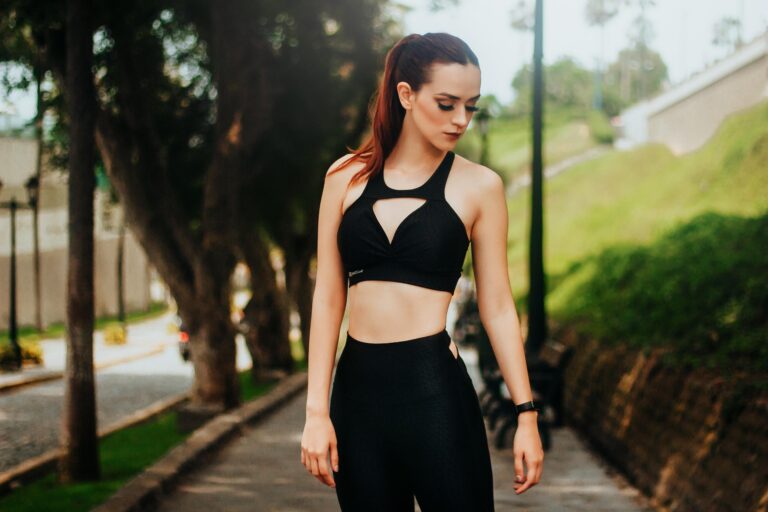
Unlike traditional fashion creators, virtual personalities are developed through digital design and artificial intelligence-assisted production. Their appearance, wardrobe, surroundings, and visual identity can be carefully planned to support a particular creative direction. This opens opportunities for fashion storytelling that are not restricted by physical locations, conventional photoshoots, or the availability of human models. An AI influencer can become part of this creative approach by helping develop digital personalities that bring fashion concepts and visual ideas to life.
However, the real significance of virtual fashion personalities goes beyond their unusual appearance. Their influence raises interesting questions about authenticity, creativity, representation, and the future relationship between fashion brands and digital audiences. A virtual character may wear an extraordinary outfit, appear in an imaginative environment, or represent a style that would be difficult to reproduce through traditional production. Yet its ability to attract attention depends on something deeper than visual quality. It needs a recognizable identity, a consistent creative direction, and content that gives audiences a reason to remain interested.
The Changing Meaning of Fashion Influence in a Digital Culture
Fashion influence has traditionally developed through a connection between personal taste and audience trust. People follow stylists, models, celebrities, and content creators because they appreciate their clothing choices, creative perspectives, or lifestyle inspiration. Social media has made this relationship more accessible by allowing fashion enthusiasts to discover new personalities without depending on established magazines or television programmes. Virtual influencers introduce another dimension by allowing creators to develop personalities specifically for digital environments.
These characters can represent different fashion interests and visual communities. One might focus on contemporary streetwear, while another explores luxury aesthetics, experimental clothing, or everyday minimalist outfits. Their identities can be shaped around a particular audience rather than a conventional celebrity background. This gives fashion creators greater freedom to experiment with visual concepts and develop characters that reflect emerging trends or specific cultural interests.
Nevertheless, digital popularity does not automatically translate into genuine influence. Audiences still need a reason to connect with the personality behind the content. A virtual character that repeatedly displays attractive outfits without offering an identifiable perspective may struggle to build lasting interest. Strong digital influence requires a recognizable style, meaningful storytelling, and a consistent relationship between the personality and the fashion subjects it represents.
How Virtual Fashion Personalities Develop Their Signature Style
A recognizable fashion identity begins with a clear creative concept. Before designing individual outfits, creators need to decide what their virtual personality represents. Its style might be inspired by urban fashion, vintage clothing, contemporary luxury, sustainable wardrobes, or a combination of different influences. These choices establish the character’s visual direction and help determine which trends, accessories, and fashion subjects belong in its content.
Consistency is especially important when developing a virtual wardrobe. The character should remain recognizable even when its clothing changes. This can be achieved through recurring styling preferences, signature colours, familiar accessories, and a coherent overall appearance. For example, a character known for understated fashion might regularly feature neutral colours, simple silhouettes, and carefully selected accessories. Such details create a recognizable identity without requiring every outfit to look the same.
Experimentation also plays an important role. Fashion is constantly influenced by new materials, seasonal collections, cultural movements, and individual creativity. Virtual personalities can explore these developments through different visual presentations while maintaining their established identity. The challenge is to balance originality with consistency so that new looks feel like natural extensions of the character rather than unrelated creative experiments.
The Role of Digital Styling in Creating New Fashion Possibilities
Traditional fashion photography is influenced by practical considerations such as location, lighting, available clothing, model schedules, and production budgets. Digital styling introduces another way to explore fashion concepts by allowing creators to develop visual scenes without arranging every physical element in advance. A designer can imagine an outfit against a futuristic architectural background, introduce a virtual personality into a historical setting, or experiment with unusual colour combinations that would require considerable preparation in a conventional photoshoot.
This creative freedom can be valuable during the early stages of fashion development. Designers and visual storytellers can explore different directions before deciding which ideas deserve physical production. A clothing brand might use digital concepts to examine how a collection could appear in different environments. A fashion editor could experiment with visual themes before planning a complete editorial project. These explorations can help teams communicate ideas more clearly and make creative decisions with greater confidence.
Digital styling should not be confused with replacing the physical experience of clothing. Fabric texture, fit, movement, comfort, and construction remain important qualities that digital imagery cannot fully communicate. A virtual outfit may look visually impressive, but consumers still need reliable information about real products before making purchasing decisions. The strongest approach uses digital presentation to inspire interest while keeping product information accurate and transparent.
Why Fashion Brands Are Exploring Virtual Influencers
Fashion brands operate in an increasingly crowded digital environment. Their campaigns compete with creator content, entertainment, product recommendations, and countless other visual messages. Virtual influencers offer another creative format through which brands can present collections and develop recognizable campaign identities. Because these personalities are digitally designed, their appearance and creative environments can be planned around specific campaign objectives.
Another advantage is the possibility of maintaining visual consistency across multiple campaigns. A virtual personality can appear in different outfits, settings, and seasonal themes while retaining its recognizable identity. This can help brands develop a continuing narrative rather than treating every advertisement as an isolated production. A character associated with a particular fashion aesthetic may gradually become part of the visual language through which audiences recognize a campaign.
However, brands need to consider the difference between visual attention and consumer trust. Audiences may appreciate a beautifully designed virtual personality but still question whether its recommendations reflect real experiences. Clear disclosure is therefore important when a character is digitally generated or when commercial relationships influence its content. Transparency helps audiences understand what they are viewing and supports more responsible communication between brands and consumers.
The Relationship Between AI Influencers and Real Fashion Communities
The rise of virtual personalities does not mean that human fashion creators are becoming irrelevant. Real influencers bring personal experiences, cultural understanding, individual opinions, and practical knowledge that digital characters cannot independently experience. Their recommendations may be based on wearing particular fabrics, testing different products, attending fashion events, or understanding how clothing performs in everyday situations. These experiences remain valuable to audiences seeking genuine advice.
Virtual personalities offer a different kind of creative contribution. They can introduce imaginative styling concepts, explore visual themes, and help brands present ideas that are difficult to capture through conventional photography. Rather than viewing both formats as direct competitors, fashion professionals can understand them as different forms of digital expression. Human creators provide lived experiences, while virtual characters offer carefully constructed visual storytelling.
Collaboration between these approaches could create interesting opportunities. A real stylist might develop a fashion concept that is later explored through a virtual personality. A designer could introduce a collection through physical models and use digital characters for additional creative campaigns. Such projects allow brands to combine practical fashion knowledge with experimental visual production while preserving the strengths of each format.
Digital Representation and the Question of Authenticity
Representation is an important consideration in fashion because clothing and personal appearance are closely connected to identity. Virtual personalities can be designed with different appearances, styling preferences, and visual backgrounds. This creates opportunities to explore a wider range of creative identities, but it also introduces responsibility. If digital characters repeatedly rely on narrow beauty standards or unrealistic physical proportions, they may reinforce the same limitations that fashion audiences have questioned for years.
Responsible character development requires thoughtful decisions about appearance and representation. Creators should consider whether their virtual personalities present a variety of styles and identities or simply reproduce familiar commercial stereotypes. Fashion has the ability to encourage experimentation and self-expression, so digital fashion projects should reflect this diversity rather than reduce creativity to a single ideal appearance.
Authenticity also depends on honesty about how content is produced. A virtual influencer should not be presented as a real person with genuine physical experiences if that is not the case. Audiences deserve to understand whether they are interacting with a digital character, a human creator, or a combination of both. Clear communication does not necessarily reduce creative appeal. In many cases, it can make a virtual personality more interesting by allowing viewers to appreciate the technology and design behind its identity.
How Social Media Is Changing the Visibility of Digital Fashion
Social platforms have made fashion discovery faster and more interactive. A single outfit video can introduce a new styling idea to a large audience, while a series of photographs can establish a visual trend within a particular online community. Virtual influencers can participate in this environment through fashion editorials, outfit concepts, digital campaigns, and short-form storytelling. Their content can be adapted to different formats depending on the audience and platform.
The visual nature of fashion makes it particularly suitable for digital experimentation. Short videos can demonstrate outfit transformations, image collections can present different interpretations of a trend, and behind-the-scenes content can explain how a virtual character was designed. This variety allows creators to build a broader narrative around a digital personality instead of relying exclusively on promotional images.
Still, visibility should not be mistaken for lasting relevance. Social media algorithms can create temporary attention, but a successful fashion identity needs a clear creative direction. Regular content should offer something recognizable while introducing enough variation to keep audiences interested. A virtual personality that follows every popular trend without a distinctive point of view may become difficult to distinguish from countless other digital accounts.
The Future of Virtual Fashion and Personal Expression
The future of virtual influencers will likely involve closer connections between digital fashion, interactive media, and personalized creative experiences. Audiences may increasingly encounter virtual personalities through digital campaigns, immersive shopping environments, interactive presentations, and virtual fashion events. These experiences could allow viewers to explore different styling concepts in ways that go beyond simply looking at photographs.
Fashion businesses may also use digital characters to experiment with collections and campaign ideas before committing to larger production budgets. Designers could explore alternative visual directions, test different campaign themes, and create digital presentations for audiences in different markets. These possibilities may make creative experimentation more accessible, particularly for smaller brands that cannot always afford elaborate international photoshoots.
Despite these developments, the future of fashion will still depend on human creativity and cultural understanding. Technology can help produce images and develop virtual characters, but it cannot independently determine what makes a fashion movement meaningful. Designers, stylists, photographers, editors, and creators will continue to shape the ideas that give fashion its cultural value. The most interesting developments will come from using digital capabilities to expand creative expression rather than allowing technology to replace the human perspective behind it.
Final Thoughts
AI influencers are introducing a new form of visual storytelling into the fashion industry. They offer opportunities to experiment with digital styling, develop distinctive personalities, and present fashion concepts in creative environments that traditional production methods may find difficult to reproduce. Their growing presence also encourages important discussions about authenticity, representation, audience trust, and the changing meaning of influence.
Their long-term value will not depend solely on how realistic their appearance becomes. It will depend on whether they can contribute something distinctive to fashion culture and create meaningful experiences for audiences. As digital production continues to develop, virtual personalities may become an increasingly familiar part of fashion communication. The strongest projects will be those that combine technological possibilities with thoughtful styling, original ideas, transparent presentation, and a genuine understanding of personal expression.
Frequently Asked Questions
1. What makes AI influencers different from traditional fashion influencers?
AI influencers are digitally created personalities whose appearance and content are developed using digital design and artificial intelligence. Traditional influencers are real people who share personal experiences, opinions, and fashion choices. Virtual personalities offer greater creative control over their visual presentation, while human influencers bring real-life experiences and personal perspectives.
2. How are virtual influencers used in the fashion industry?
Fashion brands can use virtual influencers to present clothing collections, introduce styling concepts, develop digital campaigns, and create distinctive brand identities. They can also appear in fashion editorials and social media content without requiring a conventional physical photoshoot.
3. Can AI influencers introduce new fashion trends?
Yes. Virtual personalities can present experimental outfits, unusual combinations, and imaginative styling concepts. Their content can inspire audiences to explore different fashion aesthetics, although the popularity of a trend still depends on audience interest and wider cultural influences.
4. How do creators maintain a consistent look for a virtual fashion influencer?
Creators establish visual guidelines covering facial features, hairstyles, body proportions, clothing preferences, colour palettes, and overall presentation. Following these guidelines helps maintain character recognition across different images and campaigns.
5. Do virtual fashion influencers affect the work of human models?
Virtual influencers introduce additional creative options for fashion campaigns, but they do not provide the same experience as human models. Real models bring physical presence, movement, and the ability to demonstrate how clothing behaves in real conditions. Both formats can serve different purposes within the fashion industry.
6. Why is authenticity important for AI fashion influencers?
Authenticity helps audiences understand the identity and purpose of a virtual personality. Clear disclosure that a character is digitally created prevents confusion and allows viewers to distinguish between fictional presentation, real experiences, and commercial recommendations.
7. Can small fashion brands benefit from virtual influencers?
Small fashion brands can explore virtual influencers as an alternative creative format for presenting collections and developing digital campaigns. The suitability depends on production costs, audience expectations, brand identity, and the quality of the final content.
8. What is the future of AI influencers in fashion?
Virtual influencers may become more common in digital fashion campaigns, interactive shopping experiences, virtual events, and creative brand storytelling. Their future development will depend on technological progress as well as audience trust, originality, and responsible representation.