
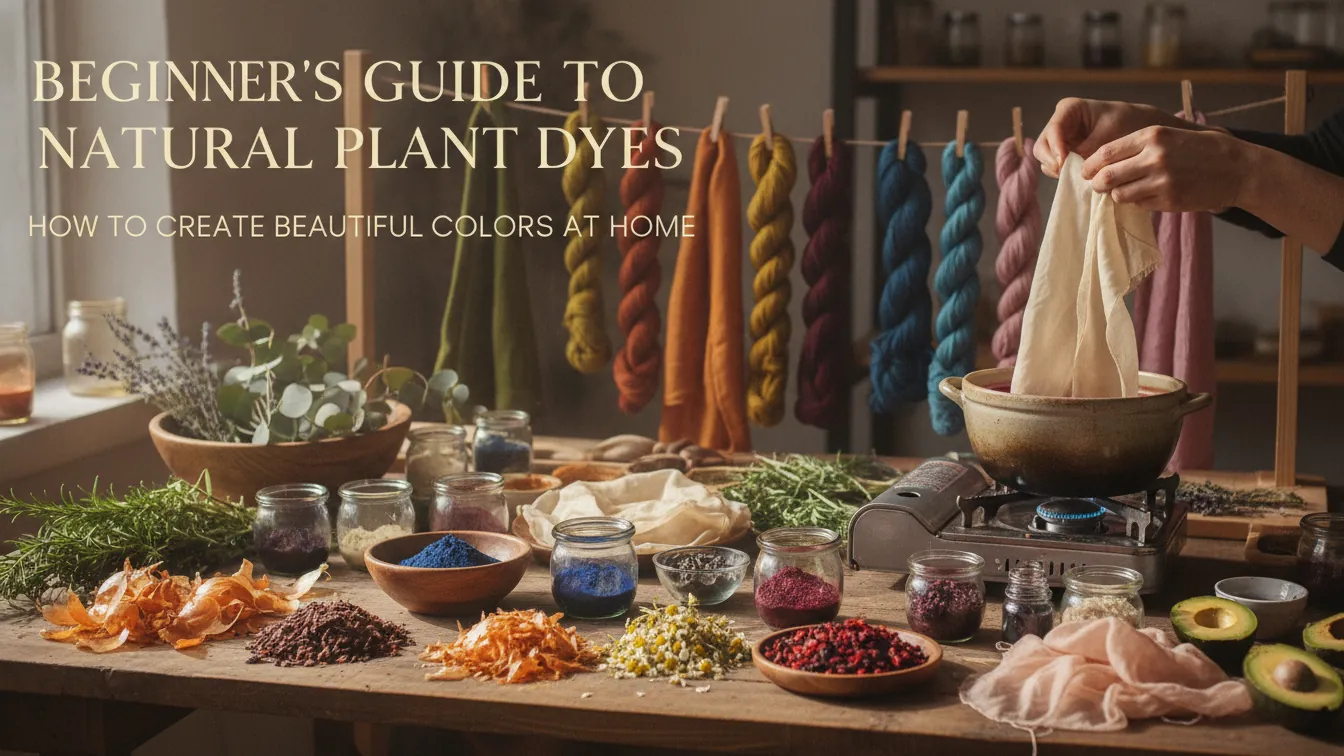
Natural plant dyes offer a creative way to bring color into everyday craft projects using materials found in nature. From colorful flowers and leaves to roots, bark, and kitchen scraps, plants contain pigments that can transform ordinary fabrics into beautiful handmade creations.
For beginners interested in sustainable crafting, learning how to make natural plant dyes is an enjoyable introduction to traditional textile techniques. Unlike commercial synthetic dyes, botanical colors often produce earthy, subtle, and unique shades that give each project its own character.
Whether you want to dye cotton tote bags, experiment with wool yarn, or create personalized fabric decorations, this beginner’s guide will help you understand the basics of natural dyeing, choose suitable materials, and achieve better results.
What Are Natural Plant Dyes?
Natural plant dyes are coloring substances extracted from botanical materials such as flowers, leaves, roots, seeds, bark, and fruit skins. These materials contain naturally occurring compounds that can transfer color to suitable fibers when processed correctly.
Plant-based dyeing has been practiced for centuries across different cultures. Before synthetic dyes became widely available, artisans relied on locally available plants to produce colors for clothing, textiles, and decorative crafts.
Today, natural dyeing remains popular among DIY enthusiasts, textile artists, and people interested in traditional craft methods.
Some common botanical dye sources include:
- Turmeric: Produces bright yellow shades, although the color can fade quickly.
- Onion skins: Create golden yellow, amber, and warm orange tones.
- Avocado pits and skins: May produce soft pink, peach, or muted earthy shades.
- Walnut hulls: Offer rich brown and dark earthy colors.
- Marigold flowers: Produce beautiful yellow and golden tones.
- Mimosa root bark: Can produce reddish, brown, and purple-toned dye results depending on preparation and fiber treatment.
The final color depends on several factors, including the plant material, fabric type, water quality, dye concentration, and mordant used.
Why Choose Natural Plant Dyes for DIY Crafts?
Natural dyeing is more than simply adding color to fabric. It creates opportunities to experiment with botanical materials while learning practical textile skills.
1. Creative and Unique Results
One of the most appealing aspects of natural dyeing is that no two projects are necessarily identical. Small changes in plant concentration, water conditions, and dyeing time can produce different shades.
This makes botanical dyeing particularly suitable for handmade scarves, decorative fabrics, and personalized gifts.
2. Opportunities to Reuse Plant Materials
Many natural dyes can be created using materials that would otherwise be discarded, including onion skins, avocado pits, and certain garden trimmings.
Using these materials thoughtfully can help reduce craft-related waste. However, natural dyeing is not automatically environmentally friendly; water consumption, heating, mordants, and plant sourcing also matter.
3. A Connection to Traditional Craftsmanship
Working with natural pigments introduces beginners to historical textile practices. It also encourages an appreciation of the time, preparation, and experimentation involved in producing handmade colors.
4. Versatility for Different Projects
Natural dyes can be used for a variety of creative activities, including fabric coloring, yarn dyeing, textile artwork, and selected paper crafts.
Essential Materials Needed for Natural Dyeing
Before starting your first DIY plant dyeing project, gather the necessary supplies.
You will need:
- Natural fibers such as wool, silk, cotton, or linen
- Fresh or dried botanical dye materials
- A stainless steel pot reserved exclusively for dyeing
- Clean water
- A strainer or cheesecloth
- Heat-resistant gloves and protective clothing
- Measuring tools
- A suitable mordant, when required
- A wooden or stainless steel stirring utensil
For beginners, wool and silk are often easier to dye than cotton or linen because protein-based fibers generally absorb many botanical dyes more readily.
Always use dedicated dyeing equipment rather than cookware intended for food preparation.
How to Make Natural Plant Dyes at Home: Step-by-Step Guide
Creating homemade botanical dyes involves several important stages. Following the correct process helps improve color consistency and fabric absorption.
Step 1: Choose Your Botanical Dye Material
Start by selecting a plant that produces the color you want.
Onion skins and marigold flowers are excellent starting points because they are accessible and relatively easy to experiment with.
If you want to explore a wider range of traditional botanical materials, specialist suppliers such as Mimosa Hostilis Shop offer plant-based materials associated with natural dyeing and other craft applications.
Choose responsibly sourced materials and begin with small quantities so you can evaluate their color-producing properties before attempting a larger project.
Step 2: Prepare the Fabric
Fabric preparation is one of the most important parts of natural dyeing.
Wash or scour your material to remove dirt, oils, and manufacturing finishes that could prevent even dye absorption.
Different fibers require different preparation methods. Wool needs gentle treatment to prevent felting, while cotton may require more thorough cleaning.
After washing, keep the material clean and slightly damp before introducing it to the dye bath.
Step 3: Use a Suitable Mordant
A mordant is a substance that helps certain natural dyes bond more effectively with textile fibers.
Alum is commonly used in natural dyeing, particularly with wool and silk. Cotton and linen often benefit from a tannin treatment followed by an appropriate aluminum-based mordant.
Follow a reliable recipe designed for your specific fiber, and measure the mordant according to the dry weight of the material.
Avoid using hazardous heavy-metal mordants in beginner projects. Household salt and vinegar should not be considered universal replacements for proper mordanting.
Step 4: Extract the Plant Pigments
Place your selected botanical material into a dedicated dye pot and add enough water to cover it.
Heat the mixture gently, following a recipe appropriate for the plant. Many botanical materials release their coloring compounds during a controlled simmer.
After sufficient extraction, allow the mixture to cool slightly and strain out the solid plant material.
The remaining colored liquid becomes your dye bath.
Step 5: Dye Your Fabric
Place the prepared, damp fabric into the strained dye bath.
Ensure that the material can move freely in the liquid to encourage even coloring.
Heat the bath gently as required by your chosen recipe, occasionally moving the fabric with a dedicated utensil.
Different plants and fibers require different temperatures and dyeing times, so avoid assuming that every material needs prolonged boiling.
Step 6: Rinse and Dry Carefully
Once the fabric reaches your preferred shade, remove it carefully and allow it to cool.
Rinse gently using water at an appropriate temperature until excess dye is removed.
Dry the fabric away from direct sunlight, which can accelerate fading in some botanical colors.
Remember that freshly dyed fabric may appear darker while wet.
Exploring Purple and Earthy Shades With Mimosa Root Bark
Purple is one of the most interesting colors to explore in botanical dyeing, but achieving a consistent purple shade can be challenging.
Some natural dye materials produce purple-toned results only under particular conditions, while others create colors closer to burgundy, reddish brown, or muted violet.
Mimosa hostilis root bark, also known botanically as Mimosa tenuiflora, is a plant material explored by some traditional and contemporary craft dyers.
Crafters interested in experimenting with natural purple dye from mimosa root bark can investigate how bark preparation, dye concentration, mordants, and fiber selection influence the resulting color.
However, purple should not be considered a guaranteed outcome. Mimosa root bark can produce reddish and brown tones, and the final shade varies according to the dyeing process.
For better results, test a small fabric sample before preparing a full-sized project. Recording the amount of bark, fabric type, water conditions, and processing time can help you understand which combinations produce your preferred colors.
Common Natural Dyeing Mistakes Beginners Should Avoid
Although botanical dyeing is relatively approachable, several common mistakes can affect the finished result.
Skipping Fabric Preparation
Unwashed fabric may contain oils or finishes that prevent pigments from absorbing evenly. Proper preparation helps produce more consistent results.
Using the Wrong Fabric
Synthetic fabrics such as polyester generally do not respond well to traditional botanical dyeing methods.
Choose natural fibers, especially wool or silk, for your first experiments.
Expecting Identical Colors Every Time
Natural dye colors vary depending on the plant source, water quality, fiber preparation, and other conditions.
Instead of expecting perfect consistency, treat small differences as part of the creative process.
Using Too Much Heat
Excessive heat can damage delicate fibers and alter some plant pigments.
Use controlled temperatures and follow material-specific instructions.
Ignoring Colorfastness
Not every natural pigment creates a durable textile dye. Some colors fade rapidly when exposed to sunlight or repeated washing.
Test your finished sample for washfastness and lightfastness before using it for clothing or frequently washed household items.
Creative DIY Projects Using Natural Plant Dyes
Once you understand the basic dyeing process, there are numerous ways to incorporate botanical colors into handmade projects.
Hand-Dyed Cotton Tote Bags: Transform plain reusable bags into personalized accessories using botanical patterns and earthy shades.
Naturally Colored Wool Yarn: Experiment with plant dyes to create unique yarn colors for knitting, weaving, and crochet projects.
Botanical Fabric Wall Art: Combine dyed fabric pieces with embroidery, stitching, or decorative patterns to create original artwork.
Handmade Scarves: Use lightweight silk or other suitable natural fibers to explore soft botanical color variations.
Fabric Gift Wrapping: Create reusable cloth wrapping materials using natural colors and simple tie-dye techniques.
Starting with smaller projects allows you to develop your skills without wasting large quantities of fabric or dye materials.
Tips for Making Natural Plant Dyes Last Longer
Natural dyeing results can be beautiful, but proper care is essential for maintaining their appearance.
To improve the durability of your finished projects:
- Select botanical materials known for producing relatively colorfast dyes.
- Prepare and mordant the fabric correctly.
- Test small samples before dyeing expensive materials.
- Wash finished textiles gently with suitable mild detergent.
- Avoid prolonged exposure to direct sunlight.
- Store dyed fabrics in a cool, dry location.
- Keep a record of successful dyeing recipes.
It is also important to understand that different botanical pigments have different levels of durability. Proper preparation can improve results, but it cannot make every plant pigment permanently colorfast.
Frequently Asked Questions About Natural Plant Dyes
1. What Are the Best Natural Plant Dyes for Beginners?
Onion skins, marigold flowers, walnut hulls, and certain prepared botanical dye extracts are good materials for beginners. They are commonly used in craft dyeing and can produce attractive colors when paired with suitable fibers and preparation methods.
2. Can You Make Natural Dyes Without Chemicals?
You can extract color from many plants using water alone. However, producing durable colors on fabric often requires a mordant. Not all natural materials are harmless, and safe handling remains important.
3. Which Fabrics Work Best With Natural Dyes?
Wool and silk are generally excellent choices for beginners. Cotton and linen can also be dyed naturally but often require additional preparation to achieve satisfactory color absorption.
4. How Long Does Natural Plant Dye Last on Fabric?
The lifespan of a natural dye depends on the botanical pigment, fiber, mordant, washing routine, and exposure to sunlight. Some well-prepared dyes remain attractive for years, while others fade relatively quickly.
5. Can Mimosa Root Bark Be Used for Natural Dyeing?
Mimosa root bark can be explored as a botanical dye material. Its coloring compounds may produce reddish, brown, or purple-toned results depending on the preparation and dyeing conditions. Small sample tests are recommended.
6. Is Natural Dyeing Environmentally Friendly?
Natural dyeing can support lower-waste craft practices when responsibly sourced materials and efficient processes are used. However, environmental impact depends on factors such as harvesting methods, water consumption, heating, and mordant selection.
Final Thoughts
Learning how to make natural plant dyes is a rewarding way to explore creativity, traditional craftsmanship, and botanical materials.
From simple onion-skin experiments to more advanced projects involving bark, roots, and flowers, natural dyeing offers countless opportunities to discover distinctive colors and textures.
The most important advice for beginners is to start small, prepare fibers correctly, follow safe dyeing practices, and document each experiment.
With patience and practice, ordinary natural materials can become the foundation for beautiful handmade textiles that reflect your individual creativity.