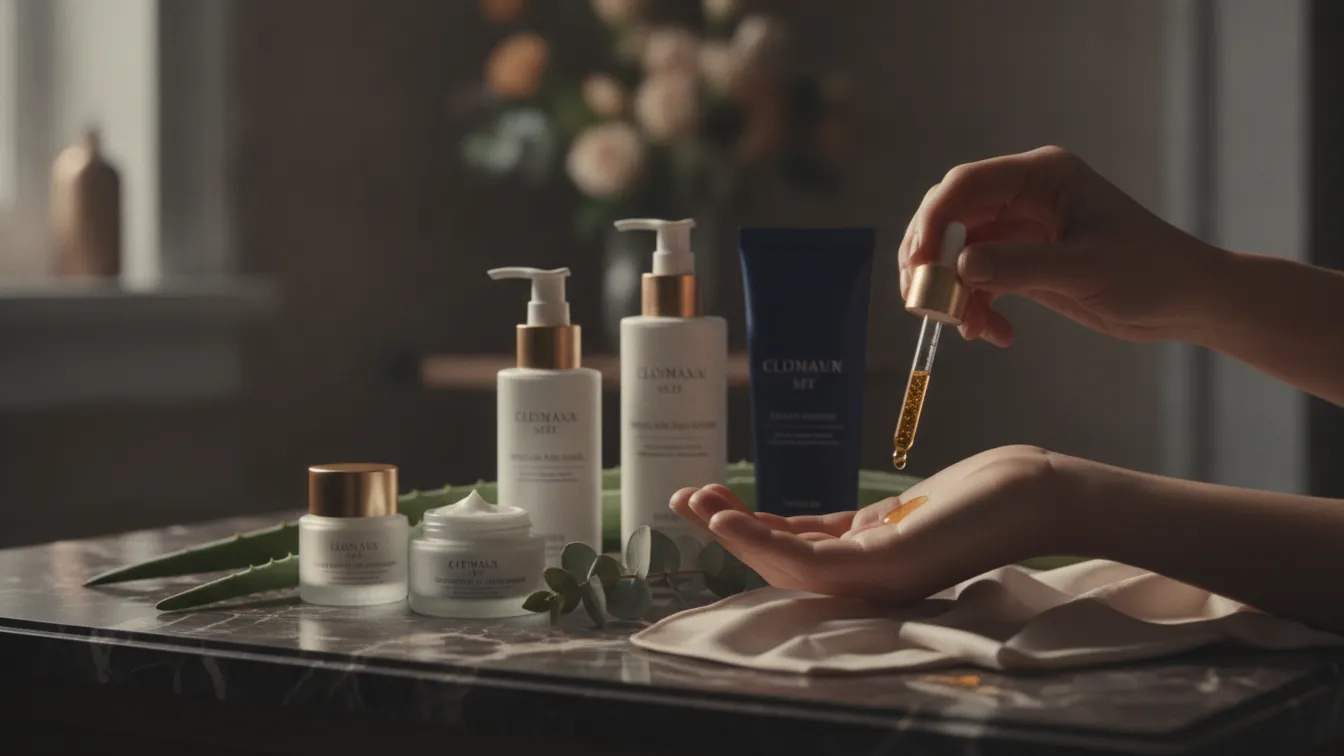
The correct order for layering skincare products is generally cleanser, toner, essence, serum or treatment, eye cream, moisturiser and sunscreen in the morning, or a sleeping mask at night. Apply lighter, water-based formulas before thicker, oil-based products, and always finish your morning routine with broad-spectrum sunscreen. Adjust the steps to suit your skin type, concerns and the products you use.
Introduction: How to Layer Skincare for Better Results
Building an effective skincare routine involves more than choosing products that promise brighter, smoother or more hydrated skin. The order in which you apply those products can influence how comfortably they sit on your skin, how well they spread and whether your routine delivers the benefits you expect.
With cleansers, toners, essences, serums, moisturisers, eye creams and sunscreen all competing for a place on the bathroom shelf, it is easy to feel overwhelmed. The rise of Korean beauty, commonly known as K-Beauty, has introduced many skincare enthusiasts to multi-step routines that focus on hydration, consistency and supporting the skin barrier. However, a longer routine is not necessarily a better one.
The goal is to understand what each product does and how it fits into your overall routine. Some products prepare the skin for subsequent steps, others deliver concentrated ingredients to address specific concerns, and the final layers help maintain hydration or protect the skin from environmental damage.
Whether you prefer a simple three-step routine or enjoy experimenting with the layered approach inspired by K-Beauty, getting the order right can help you make more informed choices.
Why Layering Order Actually Matters
Skincare products are formulated with different ingredients, textures and purposes. A lightweight hydrating serum behaves differently from a rich moisturiser, while sunscreen is specifically designed to create a protective film on the skin’s surface.
Applying products in a sensible order helps each formula perform its intended role without making your routine unnecessarily complicated.
Excessive cleansing, frequent exfoliation and harsh products can compromise the skin barrier. The Cleveland Clinic’s guide to recognising and caring for a damaged skin barrier explains common causes of barrier damage and how gentle cleansing and moisturising can help support skin health.
Supporting product performance
Lightweight products, particularly water-based toners and serums, are generally easier to spread across clean skin before heavier creams are applied. Placing a thick, occlusive product first may make it more difficult to distribute subsequent products evenly, although the extent of this effect depends on the formulations involved.
Layering also helps you distinguish between products that deliver ingredients and those designed primarily to moisturise, protect or reduce water loss.
Reducing pilling and discomfort
Pilling occurs when skincare products form small flakes or rolls on the skin rather than blending smoothly. It can happen when incompatible formulas are layered, too much product is applied, or several layers are rubbed together before they have settled.
To reduce pilling, use appropriate amounts, spread products gently and give each layer time to settle when necessary. If a product consistently pills, simplifying your routine or changing the order may help.
Protecting the skin barrier
A well-designed routine supports the skin barrier, which helps limit moisture loss and protects against external irritants. Excessive cleansing, frequent exfoliation and combining too many strong active ingredients can undermine this barrier, even when the products themselves are marketed as beneficial.
Layering is therefore not about applying as many products as possible. It is about using the right products in a sensible order while avoiding unnecessary irritation.
For a broader introduction to building healthy habits, see this guide to the basics of skincare for a healthy glow and for a more in-depth look at K-Beauty, check out this helpful guide to building your first skincare routine with K-Beauty.
The General Rule: Thinnest to Thickest
The most widely used guideline for layering skincare is to apply products from the lightest, thinnest textures to the heavier, richer ones.
A typical sequence moves from watery products to lightweight serums, creams and finally protective products such as sunscreen in the morning or an occlusive sleeping mask at night.
This is a useful starting point, but it is not an absolute rule. Formulation matters more than texture alone, and specific product instructions should take priority. Certain treatments, including retinoids and exfoliating acids, may have particular application requirements.
A practical way to think about the routine is to divide it into three stages:
- Prepare: Cleanse the skin and apply optional hydrating or balancing products.
- Treat and hydrate: Use targeted serums, treatments and moisturisers suited to your skin’s needs.
- Protect or seal: Apply sunscreen during the day or a suitable final moisturising layer at night.
With this framework in mind, each step becomes easier to understand.
Step 1: Cleanser – Double Cleansing Basics
Cleansing is the foundation of any skincare routine. It removes excess oil, sweat, dirt, makeup and sunscreen, giving subsequent products a clean surface to sit on.
In the morning, a gentle cleanser may be sufficient, although some people prefer rinsing with water if their skin is particularly dry or sensitive. In the evening, cleansing is especially important because the skin accumulates sunscreen, makeup and environmental debris throughout the day.
What is double cleansing?
Double cleansing is a technique popularised by K-Beauty and other skincare traditions. It involves using two different types of cleanser in succession.
The first cleanse usually uses an oil-based cleanser, cleansing balm or another product designed to dissolve makeup, sunscreen and excess sebum. The second cleanse uses a water-based cleanser to remove remaining residue and cleanse the skin.
A typical evening double-cleansing routine looks like this:
- Apply an oil cleanser or cleansing balm according to its directions, often to dry skin.
- Massage gently to loosen makeup, sunscreen and surface oils.
- Emulsify with water if instructed, then rinse thoroughly.
- Follow with a gentle water-based cleanser and rinse again.
Double cleansing can be particularly useful for people who wear long-wearing makeup or water-resistant sunscreen. However, it is not essential for everyone. A single effective cleanser may be enough, and over-cleansing can cause dryness, tightness or irritation.
Choose a cleanser that leaves your skin feeling comfortable rather than stripped. If your face feels persistently tight after washing, consider using a gentler formula or reducing the frequency of cleansing.
Step 2: Toner – Prepping and Balancing the Skin
Toner is generally applied after cleansing and before essence or serum. Traditional toners were often associated with removing residual impurities or reducing the feeling of oiliness. Modern formulations can serve a wider range of purposes, including hydration, soothing and gentle exfoliation.
Hydrating toners often contain ingredients such as glycerin, hyaluronic acid or other humectants that help attract and retain water. Some formulas include soothing ingredients to help the skin feel more comfortable.
Exfoliating toners may contain alpha hydroxy acids (AHAs) or beta hydroxy acids (BHAs). These are treatment products rather than essential daily steps, and their frequency should be adjusted to your skin’s tolerance.
How should you apply toner?
Apply a small amount to your hands or a cotton pad, following the manufacturer’s instructions. Gently pat or sweep it across the skin without excessive rubbing.
If your toner is designed primarily for hydration, it can be a useful step for dry or dehydrated skin. If it contains exfoliating acids, avoid automatically combining it with several other exfoliating or potentially irritating treatments.
You do not need toner simply because a multi-step routine includes it. If your cleanser leaves your skin comfortable and your serum and moisturiser provide enough hydration, toner can be an optional extra.
Step 3: Essence – The K-Beauty Step Often Skipped
Essence is one of the skincare categories strongly associated with Korean beauty routines. It typically has a lightweight, fluid texture and is designed to add hydration or deliver other beneficial ingredients before heavier products are applied.
Although essences vary considerably, many focus on supporting hydration and helping skin feel softer and more supple. Some contain ingredients associated with soothing or improving the appearance of uneven texture.
Where does essence fit into your routine?
Essence usually follows toner and precedes serum. However, the distinction between toner, essence and serum is not always clear-cut. Product categories overlap, and the ingredient list, texture and intended use are more informative than the label alone.
For example, a watery essence may provide an additional layer of hydration, while a more concentrated essence may serve a role similar to a lightweight serum.
To apply it, dispense a small amount into your hands and gently press it over the face, avoiding the eyes unless the product is specifically suitable for that area.
Is essence necessary?
No. Essence is an optional step rather than a requirement for healthy skin.
It may appeal to people who enjoy the gradual hydration associated with K-Beauty layering, particularly if their skin feels dehydrated. However, a well-formulated moisturiser and serum can provide many of the same practical benefits without adding another product.
The best routine is one you can maintain consistently, not necessarily one with the most steps.
Step 4: Serums and Treatments – Targeting Specific Concerns
Serums and targeted treatments are often the most personalised part of a skincare routine. They contain ingredients selected to address particular concerns, including uneven skin tone, dehydration, visible signs of ageing, blemishes or rough texture.
Because these products can vary significantly in strength and formulation, follow their individual instructions rather than assuming every serum should be applied in the same way.
Choosing a serum for your skin concerns
Different ingredients serve different purposes:
- Hyaluronic acid and glycerin: Help attract water and support skin hydration.
- Vitamin C: An antioxidant ingredient commonly used to help improve the appearance of uneven tone and support protection against oxidative stress.
- Niacinamide: May help support the skin barrier and improve the appearance of uneven tone and excess oil.
- Retinoids: Can help improve the appearance of acne and signs of photoageing, but may cause irritation and require gradual introduction.
- AHAs and BHAs: Exfoliating ingredients that can help address rough texture, clogged pores and certain forms of unevenness.
Not every ingredient is suitable for every person. Concentration, formulation, frequency of use and individual tolerance all influence the results.
How should you layer multiple serums?
If you use more than one serum, a common approach is to apply the lighter, water-based formula first, followed by a thicker formula. However, the manufacturer’s directions and the compatibility of the active ingredients are more important than texture alone.
For example, a hydrating serum can often be paired with a niacinamide serum. A retinoid or exfoliating acid may need a more cautious approach, particularly if your skin is sensitive.
Avoid introducing several new active ingredients at the same time. Adding products one by one makes it easier to identify the source if irritation develops.
If you experience persistent redness, burning, peeling or discomfort, reduce or stop the suspected product and seek professional advice when needed.
Do you need to wait between serums?
There is no universal requirement to wait a set number of minutes between every skincare product. Allowing a layer to settle can improve comfort and reduce pilling, but lengthy waiting periods are not usually necessary for ordinary hydrating products.
Follow specific instructions for treatments that require a particular application method. For example, if a product is designed for dry skin or must be used at a particular frequency, follow those directions rather than relying solely on the general layering rule.
Step 5: Eye Cream – Why It Goes Here
Eye cream is commonly applied after serums and before moisturiser. The skin around the eyes is delicate, and some people find that a dedicated eye product provides a more comfortable texture or better suits their concerns.
Depending on the formula, eye creams may focus on hydration, temporarily improving the appearance of fine lines, or reducing the look of puffiness and dark circles.
However, eye cream is not automatically necessary. A gentle facial moisturiser may be suitable for the surrounding area if its instructions allow it and it does not cause irritation.
How to apply eye cream correctly
Use a small amount and gently tap it around the orbital bone, following the product’s directions. Avoid getting the formula into your eyes and do not tug or rub the skin aggressively.
Applying eye cream before a heavier moisturiser helps you distribute the product without having to work it over an already thick layer. If you use a specialist eye treatment, its instructions may recommend a different order.
Remember that dark circles and puffiness have many possible causes, including genetics, allergies and sleep patterns. Skincare products may improve their appearance, but results depend on the underlying cause.
Step 6: Moisturiser – Sealing Everything In
Moisturiser is a central part of most skincare routines because it helps maintain hydration and supports the skin barrier. It generally follows lighter serums and treatments, creating a more comfortable surface and helping reduce water loss.
Moisturisers typically combine different types of ingredients:
- Humectants attract water to the skin.
- Emollients soften and smooth the skin.
- Occlusives form a protective layer that helps reduce moisture loss.
The balance of these ingredients affects how a moisturiser feels and performs.
Choosing a moisturiser for your skin type
Oily skin: A lightweight lotion or gel-cream may feel more comfortable. Look for formulas that provide hydration without leaving an excessively greasy finish.
Dry skin: A richer cream containing emollients and occlusive ingredients may help reduce dryness and support the skin barrier.
Combination skin: A medium-weight moisturiser may work across the face, or you can use different amounts on oilier and drier areas.
Sensitive skin: Fragrance-free formulas with a straightforward ingredient list may be easier to tolerate. Introduce new products cautiously.
Dehydrated skin: A moisturiser containing humectants and ingredients that reduce water loss can help improve the feeling of tightness and dryness associated with dehydration.
Oily skin can still be dehydrated, and dry skin can still develop blemishes. Choose products according to how your skin behaves rather than assuming oiliness means moisturiser is unnecessary.
For more background on building a routine around your skin’s needs, revisit this guide to the basics of skincare for a healthy glow.
Step 7: Sunscreen in the Morning or Sleeping Mask at Night
The final step depends on whether you are preparing your skin for the day or supporting it overnight.
In the morning, sunscreen is the essential finishing step. At night, a sleeping mask can be an optional final layer, although a regular moisturiser may provide everything your skin needs.
Morning routine: Sunscreen comes last
Sunscreen should generally be applied after moisturiser and before makeup. It creates a protective layer that helps shield the skin from ultraviolet radiation.
Choose a broad-spectrum sunscreen with an SPF of at least 30, and use a higher SPF if appropriate for your circumstances and local recommendations. In New Zealand, where UV levels can be high, daily sun protection is particularly important.
Apply enough product to cover all exposed skin, following the label’s directions. Do not rely on moisturiser or foundation with SPF as a substitute for an adequate application of sunscreen unless you are applying enough of that product to achieve its labelled protection.
Allow the sunscreen to settle before applying makeup if doing so helps prevent pilling. Reapply as directed, particularly after swimming, sweating or towel-drying, and according to the product’s instructions for ongoing outdoor exposure.
For authoritative advice, consult the American Academy of Dermatology’s guidance on sunscreen.
Evening routine: Sleeping masks as the final layer
A sleeping mask is an optional overnight product designed to provide additional hydration or reduce moisture loss while you sleep. These products are often richer than serums and may have a gel-like or cream-like texture.
Apply it after your regular moisturiser if the product is intended to be used as a final leave-on layer. Some sleeping masks are designed to replace moisturiser rather than sit on top of it, so check the label.
You do not need a sleeping mask every night. It may be useful when your skin feels particularly dry, but a suitable moisturiser can be enough for everyday use.
Avoid confusing a sleeping mask with a rinse-off treatment. If the product is intended to be washed off after a set period, follow those directions instead.
Putting It All Together: Morning vs Evening Skincare
Your routine does not need to include every available product. A practical approach is to establish a consistent foundation and add optional steps only when they serve a clear purpose.
Example morning routine
- Gentle cleanser, or a water rinse if appropriate for your skin.
- Toner, if desired.
- Essence, if desired.
- Targeted serum, such as a hydrating or antioxidant formula.
- Eye cream, if needed.
- Moisturiser.
- Broad-spectrum sunscreen.
Example evening routine
- Oil cleanser or cleansing balm if needed to remove makeup and sunscreen.
- Gentle water-based cleanser.
- Toner, if desired.
- Essence, if desired.
- Targeted treatment or serum.
- Eye cream, if needed.
- Moisturiser.
- Sleeping mask, if desired and suitable for the product.
These are general examples, not mandatory checklists. You can skip toner and essence, use only one serum, or omit eye cream and sleeping mask if they do not add value to your routine.
If you use prescription skincare or a treatment with specific instructions, follow your healthcare professional’s guidance over a generic layering sequence.
Common Skincare Layering Mistakes to Avoid
Even a carefully chosen collection of products can become less effective or uncomfortable if your routine is too complicated.
Watch out for these common mistakes:
- Applying too many active ingredients at once: Combining multiple exfoliants or introducing a retinoid alongside several new products may increase irritation.
- Using too much product: Excessive amounts can contribute to pilling, a greasy finish and unnecessary product waste.
- Skipping moisturiser because your skin is oily: Oily skin can still benefit from appropriate hydration.
- Treating every step as essential: Toner, essence, eye cream and sleeping masks are optional for many people.
- Applying sunscreen too early: Apply it after moisturiser so it can form the intended protective layer.
- Changing the entire routine at once: Introducing one product at a time makes it easier to assess tolerance.
- Ignoring product instructions: Some treatments require specific application conditions or frequencies.
- Expecting immediate results: Improvements in uneven tone, texture or acne may take weeks, and results vary between individuals.
A simpler, consistent routine is often more practical than a long sequence of products that your skin does not tolerate.