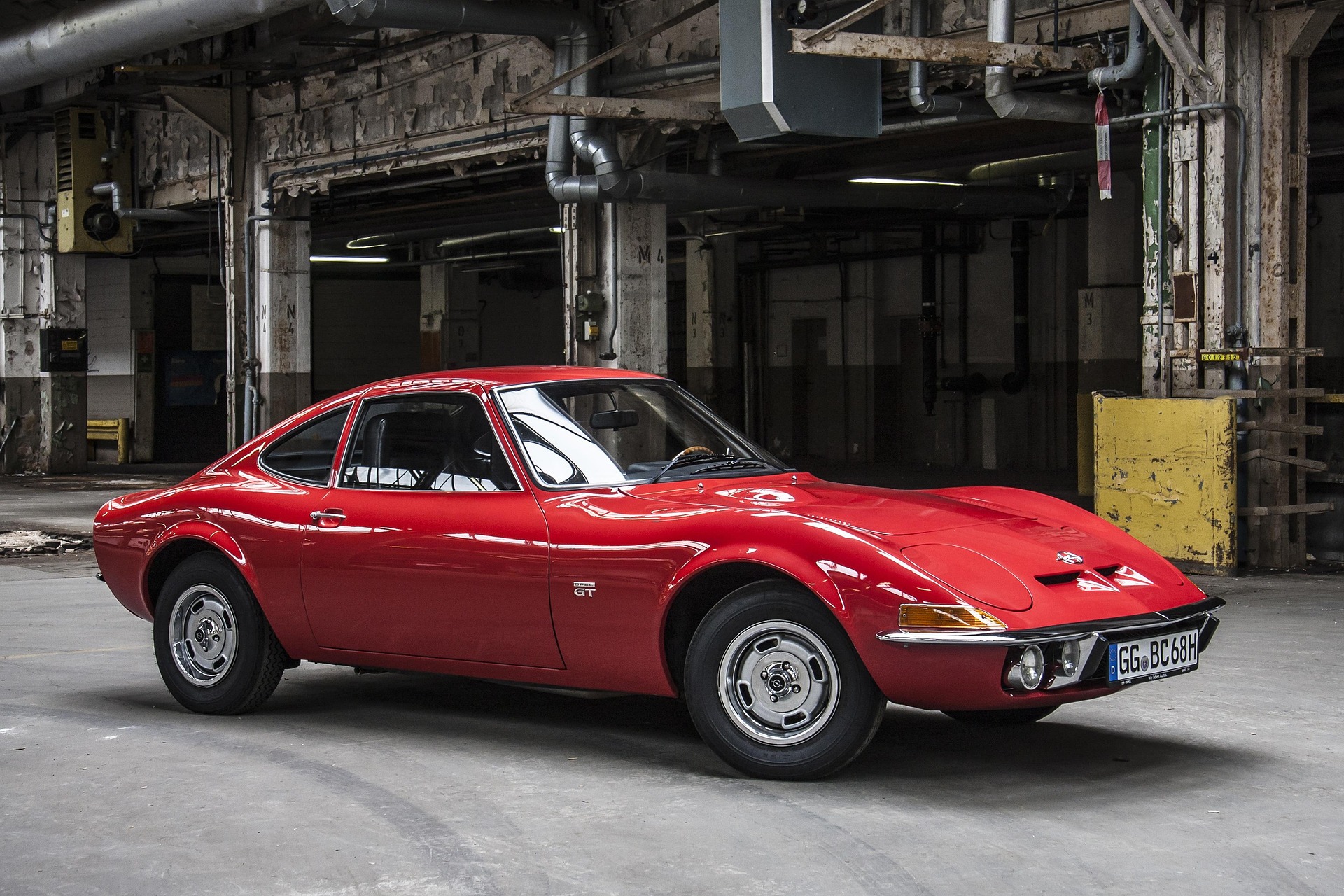
A weekend car isn’t just a way to get around. It’s a possession that loses value, or an asset that you safeguard and grow in value. Whether it becomes one or the other largely depends on if you view maintaining that vehicle as a chore or as part of its long-term care.
Chemical Decontamination Comes Before The Wash Bucket
First, apply an iron fallout remover to all your painted surfaces, wheels, and lower body panels. This product reacts with ferrous contamination (brake dust, and industrial particles) that has bonded to the clear coat and causes it to bleed purple. These contaminants cannot be removed from the shampoo and will cause washing to induce swirling whenever you wipe or mop them without previously removing them with a chemical agent. The iron fallout remover sits on the paintwork for a few minutes before being rinsed off.
Next, pass a detailing clay bar over every panel of the car that doesn’t feel glass-like smooth when you rub a gloved hand over it. This stage leaches embedded tree sap, industrial fallout, and road film out of the paintwork. It removes previously un-removed contamination. It’s also the only way you’d want to physically rub your hand over any particulate matter still in or on the paint at the final wash stage.
Washing Without Marring The Finish
Using the two-bucket method may not seem necessary for some people, but in reality, it is the most basic routine to follow if you want to take good care of your car. You just need two buckets, one with pH-neutral shampoo and the other with clean rinse water. Dip the mitt in the bucket with shampoo, wash a panel, and rinse it again in the clean bucket before reusing the shampoo. The sand and dirt coming back into the surface are what damage your paint job, making you pay a lot later for unnecessary paint correction procedures.
Drying is also a risky step that can cause additional damage to your car. Even if you use a microfiber towel, by dragging it over the wet paint some marring could take place. To avoid any direct contact between the towel and the paint, a high-velocity blower or filtered compressed air could be used to remove the water. For the wheel arches, or the door shuts where a blower may not be enough, use a microfiber cloth (600 gsm or above) and gently press with minimal pressure over the wet area.
Protection That Actually Lasts
Once your car is all clean and decontaminated, the glass and paint protection decision is carnauba wax or ceramic coating. Carnauba imparts a warmer, deeper optical lustre and is super easy to reapply, but needs topping up every few months. Ceramic coatings mechanically bond to the clear coat, providing order-of-magnitude higher durability and hydrophobicity (water sheeting off a properly coated panel is a thing of beauty) but the surface needs to be fully corrected before application and the coatings won’t necessarily forgive prep errors.
For the windshield, in particular, skip the wax. Glass sealant products will bond to the silica where regular waxes won’t. This doesn’t just help when it starts to rain unexpectedly, the stuff seals in optical clarity and that’s somewhat important on a car you’re supposed to drive for fun.
Covering and Storage Done Properly
After driving, let the car cool completely before covering it. Trapping heat accelerates UV degradation of interior plastics and leather from the inside out. UV radiation can cause interior temperatures to exceed 145 F (62 C) in parked vehicles, leading to rapid off-gassing of plasticizers and premature leather cracking.
A cover isn’t optional gear for a weekend car. A generic, loose-fitting one can actually cause damage – it traps moisture and shifts in wind, rubbing abrasive particles against the paint. Custom-fitted solutions like Mazda MX-5 Car Covers use breathable materials that allow moisture to escape while blocking dust accumulation and UV exposure, sitting flush to the body without the movement that causes contact marks.
In a garage, run a dehumidifier during periods of inactivity. Condensation inside the cabin encourages mold growth in carpets and seat bolsters – damage that’s difficult to fully reverse and immediately noticeable on a car you’re meant to enjoy.
Condition leather and vinyl every three to six months using products that contain UV blockers. Cars that sit develop a drying-out effect faster than daily drivers because they’re not benefiting from ambient cabin heat during regular use.
Tires and Battery During Downtime
Flat-spots can ruin a weekend drive before you even leave the driveway. If you’re storing the car for a few weeks, and especially the off-season, over-inflate your tires slightly (consult the manufacturer’s recommendation for maximum tire pressure), or get tire cradles. These cradles spread the weight of the car over a much broader contact area. Dry rot caused by a combination of inactivity and exposure to environmental elements (particularly sunlight) is a slower death, but sidewall protectants with UV blockers can slow that process.
Use a battery tender when you store the car. This will ensure your battery is maintained without being overcharged which can also kill your battery.
A weekend car kept in showroom condition holds its value, drives better, and stays that way because each step in this process compounds on the last. Proper decontamination makes protection more effective. Better protection reduces washing frequency. Less contact means less wear. That’s not obsession – that’s how preservation works.