
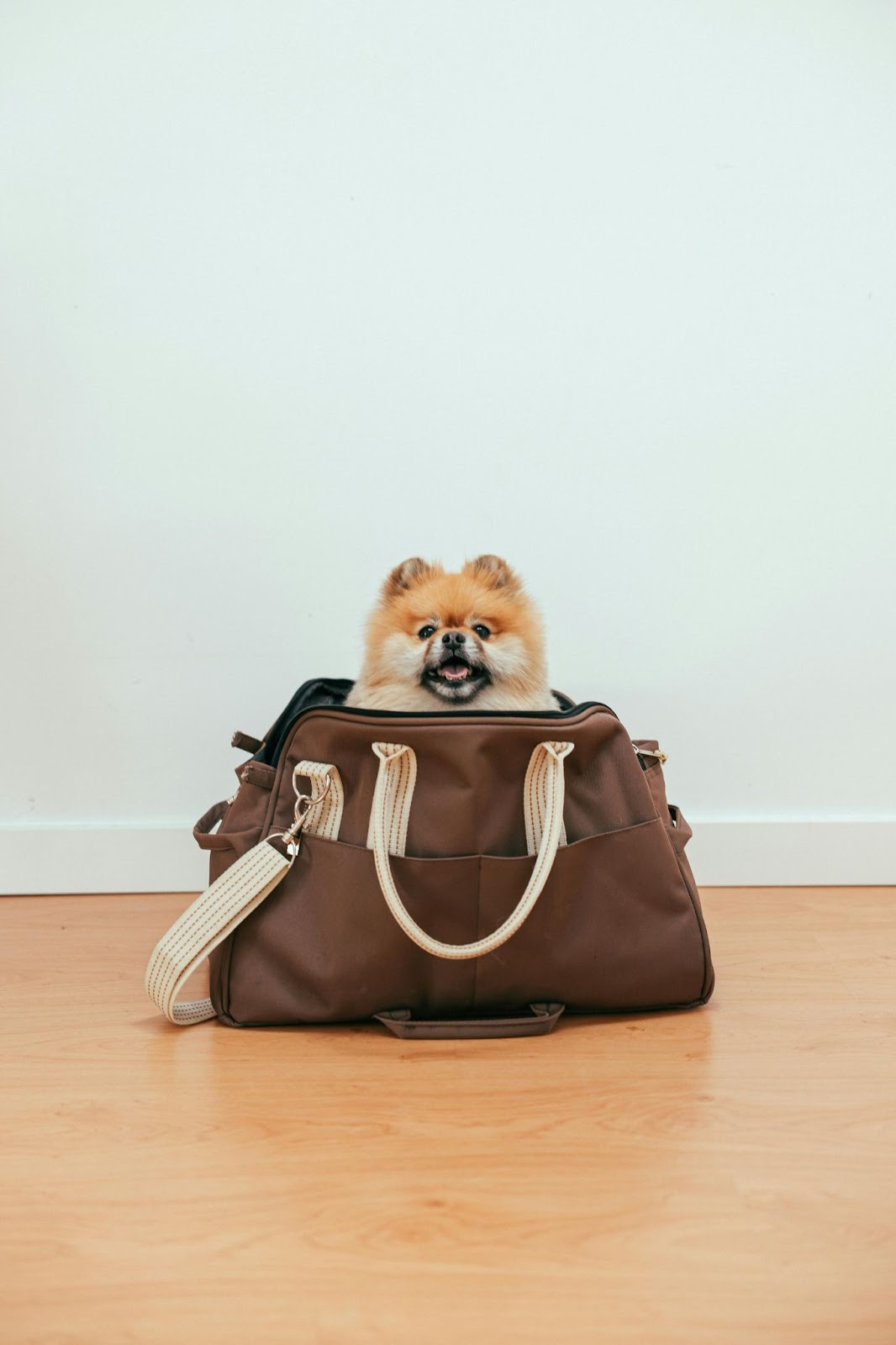
What to pack when traveling with a dog in hot vs cold weather sounds like something you should be able to answer quickly. Then you start thinking about it for real. Not in theory, but in the middle of a trip, when your dog won’t lie down, the ground feels hotter than expected, or the hotel floor is colder than it looked online. That’s usually when it clicks that weather changes everything. Not just comfort, but behavior, appetite, energy, and how much patience your dog has for travel in general.
But packing isn’t about covering every scenario. It’s about removing the most common points of friction before they show up.
1. Packing for Hot Weather Travel With Your Dog
Heat changes how dogs move through the day. They slow down sooner. They need longer breaks. They get restless in the car in ways that don’t always look like distress right away. Panting helps, but it doesn’t solve everything, especially when airflow is poor or humidity stays high.
a) Cooling Support During Stops and Downtime
One thing that catches people off guard is how much heat comes from the ground itself. Your dog might seem fine standing, then hesitate once they lie down. A lightweight cooling mat helps here, mostly because it gives your dog a surface that doesn’t keep feeding heat back into their body.
It’s not a miracle fix. It’s more like a pause button. Something that lets your dog reset during normal stops. Shade, airflow, and timing still matter more. If your dog isn’t calming down, gear isn’t the answer. Changing conditions are.
A microfiber towel comes in handy for the same reason. Damp, not wet. Just enough to help release heat from paws or the belly during short breaks. It’s not something you leave on. More like a quick assist, then you move on.
b) Food Storage and Treat Choices in Warm Conditions
Food gets overlooked until it becomes a problem. Heat speeds everything up. Dry food should stay sealed and out of the sun once it’s opened. Wet or fresh food needs more thought. An insulated container with ice packs can make the difference between a normal meal and something you end up throwing out.
Treats are easy to misjudge. Some melt. Some smell stronger in heat. Some things that work fine at home could upset your dog’s stomach on the road. Travel isn’t the time to test new options. Familiar, boring treats usually work best.
c) What To Skip in Hot Weather
Thick beds often stay untouched. Most dogs stretch out when it’s warm, seeking cooler spots rather than curling up. Heavy clothing isn’t necessary, either. If your dog has a comfort item they actually use, bring a lighter version. Otherwise, extra padding just takes up space.
2. Packing for Cold Weather Travel With Your Dog
Source: Pexels
Dogs don’t bounce back from cold exposure the same way they do from heat. Cold sinks in, especially when your dog is standing still, waiting, or lying on hard surfaces. Wind and damp air make it worse. So, here are a few things you can carry that can make the trip more comfortable;
a) Clothing and Layering for Warmth
Cold-weather clothing works better when it’s adjustable. One thick coat rarely does the job well. Having layering options for colder destinations lets you adapt without having to guess. A light sweater works indoors or in the car. An outer layer helps protect the outside when wind or moisture appears.
This matters because dogs warm up unevenly. Once they start moving, they may be fine. Once they stop, they cool down fast. Layers let you respond instead of locking into one setup.
b) Bedding and Insulation on the Go
Cold floors pull heat away faster than air does. Hotels and rentals can feel warm overall and still have icy floors. An insulated or raised bed helps more than people expect. Even a thick pad underneath your dog makes a difference.
There’s also the comfort side of it. Travel keeps dogs alert longer than usual. Familiar bedding smells like home, which helps them settle. Rest matters more on trips than most people plan for.
c) Skin Comfort in Dry, Cold Environments
Outside air is cold and dry. The inside air is warm and dry. Your dog’s skin takes the hit. You usually notice it at night, when your dog starts scratching instead of sleeping.
A gentle brush helps with this. It spreads natural oils and clears flakes before they become irritating. You don’t need a whole routine. Just a few minutes here and there.
d) What To Skip in Cold Weather
Overly thick coats that limit movement often cause more problems than they solve. So, skip those. Dogs do generate some heat when they move, but that doesn’t make cold exposure harmless. Smaller dogs, older dogs, and short-haired dogs still need time limits. Fit and breathability matter more than bulk.
3. Essentials That Matter in Any Weather
Source: Pexels
Some things don’t change with the season, and packing them simplifies everything.
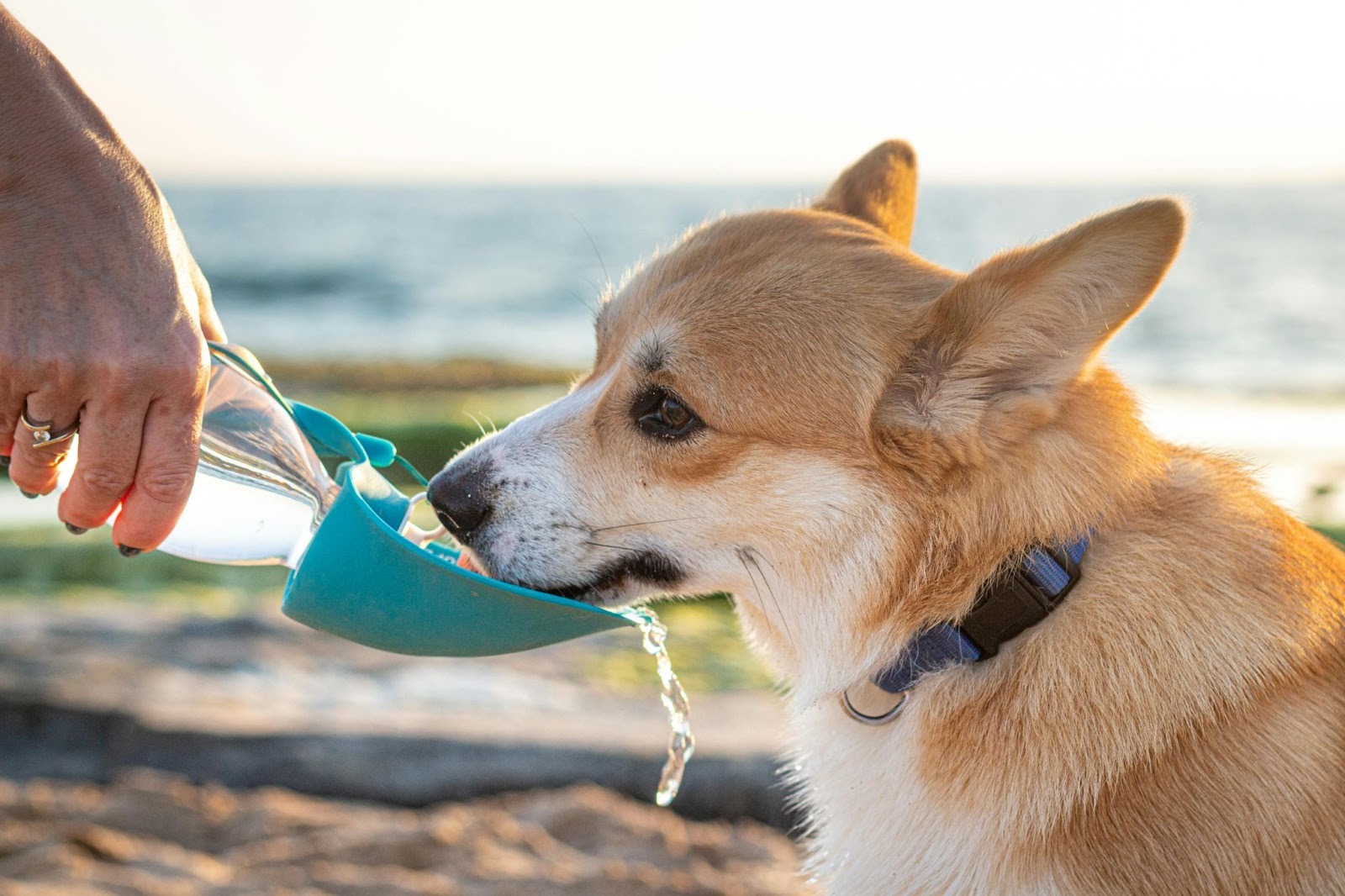
Hydration is one of those. In hot weather, dogs lose water through panting. In cold weather, many dogs simply don’t drink as much. Either way, dehydration is a big no for your dog’s health. It shows up as fatigue, slower recovery, or irritability. Offering water regularly during stops helps more than waiting for obvious signs.
Paw protection also belongs here. Hot pavement can burn pads quickly. Ice, snow, and road salt can crack them just as fast. Having protective gear for extreme weather conditions gives you options when surfaces aren’t safe to walk on. Heat-resistant boots help in summer. Winter boots protect against cold and chemicals.
If boots don’t work for your dog, paw balm helps by adding a protective layer and supporting moisture, especially in winter. It helps, but it doesn’t replace avoiding dangerous surfaces. Time on hot or icy ground still matters, even with protection.
A well-fitted harness is also important. It gives you better control in unfamiliar places and reduces strain during long walks or sudden stops. Travel brings small surprises. A harness gives you a bit more room to handle them.
A basic dog first aid kit is another constant. Nothing elaborate. Bandage material, pet-safe antiseptic wipes, and your dog’s regular medications usually cover what you need until you can reach a vet.
Conclusion
Pack with intention. Overpacking usually backfires. Bags get cluttered. Important things get buried. When you pack with a clear focus on safety, comfort, and health, decisions get simpler. Look up the weather along the route, too, because it can change between stops.
Heat and cold are usually what mess up dog trips, and the fix is often basic planning, not a complicated checklist. Pack for the conditions, watch your dog closely, and adjust early. That’s how most trips stay smooth, without having to scramble halfway through.