In the early days of wearable technology, smart glasses seemed like a futuristic novelty — fascinating, but impractical. Google Glass launched with fanfare in 2013, only to retreat into obscurity as consumers struggled with privacy concerns and clunky design. But a decade later, the conversation has shifted. Tech giants and eyewear brands alike are reinventing the concept, creating glasses that look like regular eyewear yet quietly deliver remarkable capabilities.
As the line between fashion and technology continues to blur, many are asking: will smart glasses eventually become as common as smartphones? The short answer is — it’s increasingly likely. But to understand why, we need to look at how the technology, design, and social attitudes toward wearables are evolving.
From Prototype to Polished: How Smart Glasses Are Evolving
The biggest challenge early smart glasses faced wasn’t technological — it was cultural. Consumers didn’t want to wear something that made them look like they’d stepped out of a sci-fi film. Now, though, we’re entering a new era of discreet innovation.
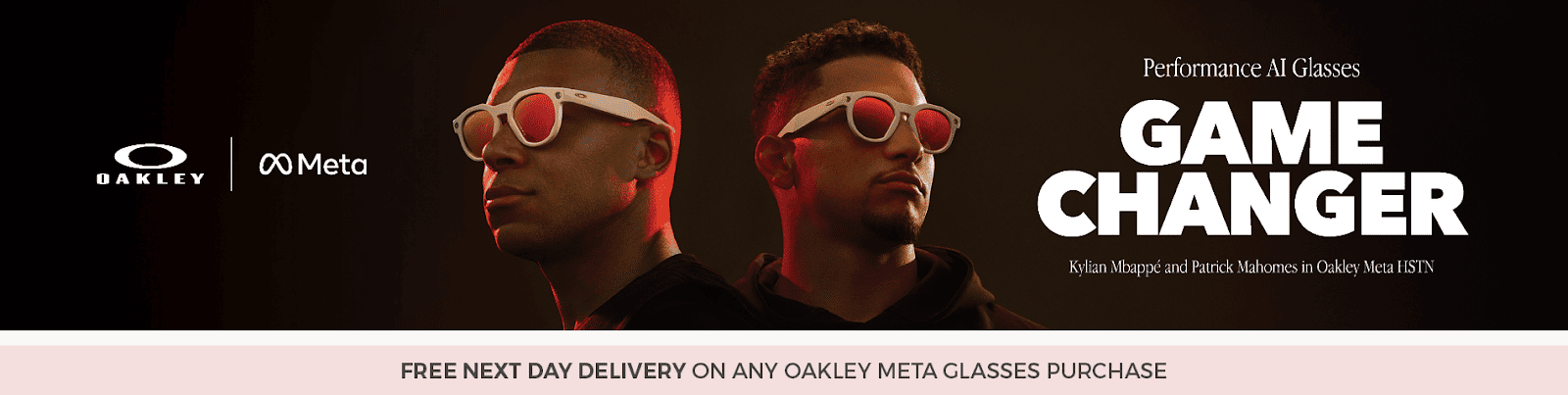
Recent models are sleek, lightweight, and — crucially — stylish. Take the Oakley Meta, for instance, which blends modern design with advanced tech features. Unlike older, bulky devices, these glasses look indistinguishable from standard eyewear yet integrate subtle capabilities like audio assistance, fitness tracking, and real-time notifications.
Battery life has also improved, allowing users to go about their day without frequent charging. Meanwhile, voice control and gesture-based navigation are becoming more intuitive, thanks to advances in AI and natural language processing. The result is a product that feels less like “wearable technology” and more like an ordinary accessory enhanced by intelligence.
And while most people won’t yet rely on smart glasses as their primary interface, we’re getting closer to that reality. As miniaturised sensors, micro-LED displays, and 5G connectivity continue to evolve, the technical barriers that once held these devices back are rapidly dissolving.
The Shift Toward Everyday Utility
The success of any technology depends on how seamlessly it integrates into everyday life. For smart glasses, that integration is finally starting to make sense.
Instead of trying to replace smartphones outright, modern smart glasses complement them. They allow for hands-free navigation, subtle notifications, and voice-activated assistance without constantly glancing at a screen. For cyclists, joggers, and commuters, this represents a huge leap in convenience and safety.
Imagine checking a map while cycling without taking your eyes off the road, or listening to a meeting reminder through discreet bone-conduction speakers. These are not futuristic scenarios — they’re happening now.
In professional settings, smart glasses are also gaining ground. Warehouse staff, engineers, and medical professionals are using augmented reality (AR) overlays to streamline tasks and access data instantly. Over time, as prices fall and interfaces become more user-friendly, these practical benefits will filter into the consumer market too.
When technology stops being disruptive and starts being helpful, that’s when it becomes part of the norm. The same shift happened with smartwatches, once dismissed as gimmicky but now considered a mainstream health and productivity tool.
Social Acceptance and Style: The Final Frontier
Technology alone doesn’t drive adoption — culture does. Smart glasses will only become an everyday norm when people feel comfortable wearing them socially. That’s where fashion-focused partnerships and design-led innovation play a critical role.
Companies like Meta, Ray-Ban, and Oakley are leading the charge by combining their design heritage with cutting-edge tech. These collaborations show that smart glasses can be stylish, comfortable, and even aspirational. The Oakley Meta range, for example, embodies this balance — merging performance-driven design with subtle intelligence that fits effortlessly into modern lifestyles.
Privacy concerns, however, remain a hurdle. Many people are uneasy about the idea of being recorded without consent, and regulators are still catching up with the ethical implications of wearable cameras and AR overlays. To achieve widespread adoption, brands will need to prioritise transparency, user control, and clear visual cues that protect bystander privacy.
But if history is any guide, these issues can be overcome. Smartphones once faced similar scrutiny for their cameras and microphones. Over time, social norms evolved — people learned when and how to use them respectfully. The same cultural adjustment is likely to happen with smart glasses.
What the Future Might Look Like
As AI and AR mature, the potential for smart glasses extends far beyond simple convenience. Future versions could offer real-time language translation, live health tracking, immersive navigation, and even visual enhancements for those with impaired vision. They could become the next major computing platform — one that feels natural, invisible, and human-centred.
It’s also easy to imagine a world where smart glasses integrate seamlessly with other devices. You might glance at a coffee shop sign and instantly see opening hours, or look at a product and get ethical sourcing information. These experiences won’t feel intrusive; they’ll feel intuitive.
However, full mainstream adoption won’t happen overnight. Just as smartphones took years to shift from luxury gadgets to everyday essentials, smart glasses will follow a similar path — one shaped by affordability, functionality, and trust. The brands that strike the right balance between technology, privacy, and design will lead the charge.
In the end, smart glasses are poised to move from niche to normal not because they’re revolutionary, but because they’re practical. As they become lighter, more stylish, and genuinely useful, the question won’t be if we’ll wear them — but which pair we’ll choose.