The relationship between fashion and beauty has always been close. Every runway look, every editorial shoot, every red carpet moment is the result of a collaboration between designers, stylists, and beauty professionals who understand how the two worlds reinforce each other.
If you’ve always been drawn to style — the way an outfit comes together, how a hairstyle changes a person’s entire presence, what makeup does to a look — there’s a career path that puts you right at the center of it. And it starts with cosmetology training.
Where Fashion and Beauty Intersect
It’s easy to think of cosmetology as separate from fashion. In practice, they’re deeply connected. Here’s where beauty professionals show up in the fashion world:
Editorial and campaign work. Every fashion magazine, brand campaign, and lookbook involves a hair and makeup team. These professionals work alongside photographers, stylists, and art directors to create the visual language of the shoot.
Runway and fashion week. Hair and makeup artists are central to every collection presentation. Fast-paced, high-stakes, and intensely creative — this is where beauty professionals get to push what’s possible.
Retail and brand education. Beauty brands hire licensed cosmetologists to train retail staff, demonstrate products, and represent their lines at events and counters.
Film, television, and content. The explosion of visual content — from streaming to social media — has created sustained demand for skilled hair and makeup artists across every level of production.
What Cosmetology Training Actually Gives You
People sometimes assume cosmetology training is purely technical — learn a few cuts, some color theory, done. The reality is much richer. A quality cosmetology program develops:
- A trained eye for color, proportion, and how techniques interact with different hair types, skin tones, and face shapes
- Technical precision — the kind that comes from hundreds of supervised practice hours, not just watching videos
- Product and ingredient knowledge that goes well beyond what any consumer can learn from labels
- Business and client skills that let you build a sustainable practice, not just execute a service
- A license — the credential that makes it all legal and professional
This combination is what separates a hobbyist from someone who can walk onto a set, into a salon, or into their own studio and produce work that clients pay for repeatedly.
The Looks That Define Eras Start with Trained Hands
Think about any iconic beauty moment — the sleek minimalism of 90s fashion, the bold graphic liners of the early 2000s, the textured natural hair movements that have reshaped industry standards over the last decade. Every one of these shifts was driven by beauty professionals who understood both technique and cultural context.
Cosmetology isn’t just a support role to fashion. It’s one of the creative forces that shapes how style evolves.
Paths from Cosmetology into the Style World
A cosmetology license opens more doors than most people expect. From a fashion perspective, here are the paths worth knowing:
Session styling
Session stylists work on shoots, shows, and editorial projects. They’re hired by agencies, photographers, and brands. Building this career means combining technical excellence with a strong network and a portfolio that demonstrates range.
Makeup artistry
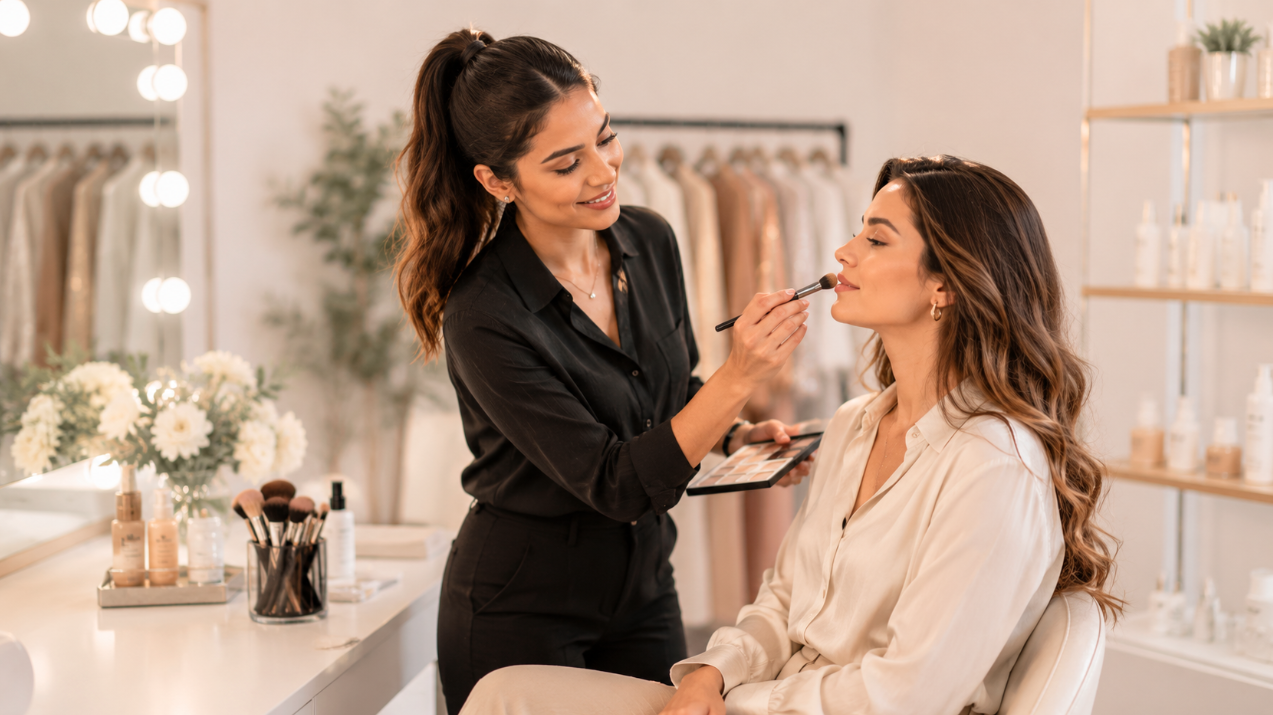
Makeup artists with formal training have a significant advantage over self-taught practitioners — especially when it comes to working with a wide variety of skin tones, understanding product chemistry, and adapting techniques to different lighting conditions.
Platform artistry
Platform artists represent brands at trade shows, education events, and competitions. It’s a role that combines technical skill with performance and teaching ability — and it pays well.
Salon or spa ownership
Many style-driven cosmetologists eventually build their own space — a salon, a studio, or a spa that reflects their aesthetic and serves a clientele that shares it. This path combines creative freedom with entrepreneurship.
Starting in the Right Place
Whatever direction appeals to you, it starts the same way: with quality training. The school you choose shapes your technical foundation, your professional network, and your readiness for the industry.
Cosmetology and Spa Academy offers programs that prepare students for all of these paths — from classic cosmetology to advanced spa and esthetics. Training happens in a real working environment, with instructors who have active careers in the industry.
The fashion world needs skilled, trained beauty professionals. If you’ve always felt pulled toward that world, this is where you enter it.
Frequently Asked Questions
Do I need a cosmetology license to work in fashion?
For most client-facing beauty work — including editorial, bridal, and commercial projects — yes. Licensing requirements vary by state, but working without a license where one is required creates legal and professional risk.
How long does cosmetology training take?
Full cosmetology programs typically take 12–18 months. Esthetics or makeup-focused programs can be shorter. Time varies by state requirements and program structure.
Can I specialize in fashion and editorial work straight out of school?
Most session stylists build their editorial portfolio by assisting established artists first. School gives you the technical foundation; assisting builds your real-world skills and industry connections.
Is cosmetology a creative career or a technical one?
Both. The technical foundation is what makes creative expression possible — you can’t push what’s possible until you deeply understand what the basics can do.