
areyoufashion com
What to Look Into Before Purchasing a Hair Waver
Hair wavers are styling tools used to create soft, wavy curls. Consisting of flat…
Hairstyles, cuts and care that suit real hair — how to choose a style for your face shape and keep it healthy between salon visits.
Hair wavers are styling tools used to create soft, wavy curls. Consisting of flat…
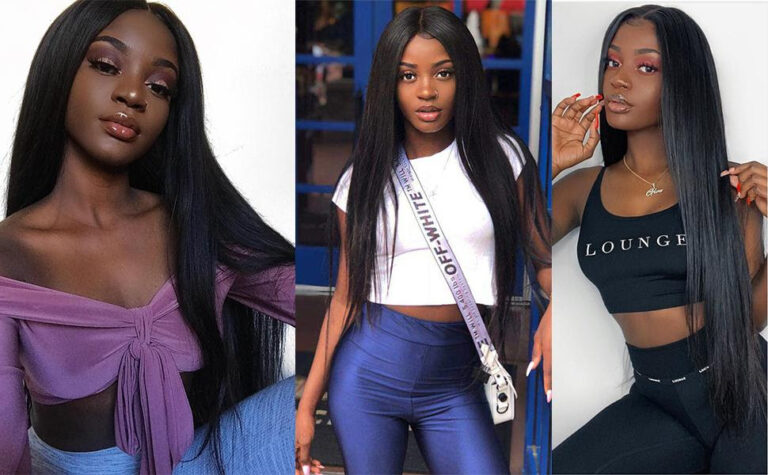
People have been using hair wigs for many years. It is a hairpiece worn…
Hair loss is a problem that affects many women in their lives. It can…
Hair removal services are becoming increasingly popular among those who want to achieve smooth…
Your hair ends can be very dry and frizzy because of a lack of…
If you’re like most women, you love taking your hair with you wherever you…
The winter months bring with them a new wardrobe, and a change in clothing…

Hair removal techniques include shaving, laser, chemical depilation, creams, and electrolysis. But waxing is…
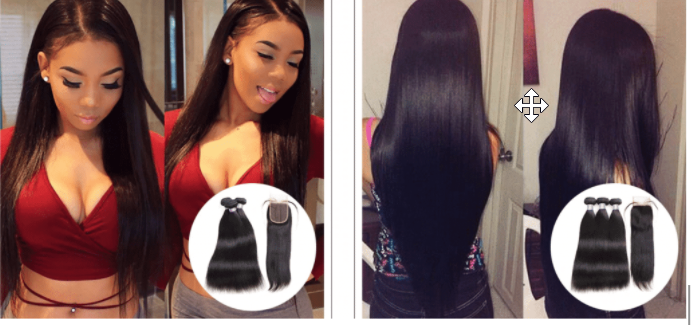
A woman’s hair is the most prominent part of her splendor. There’re many discount…
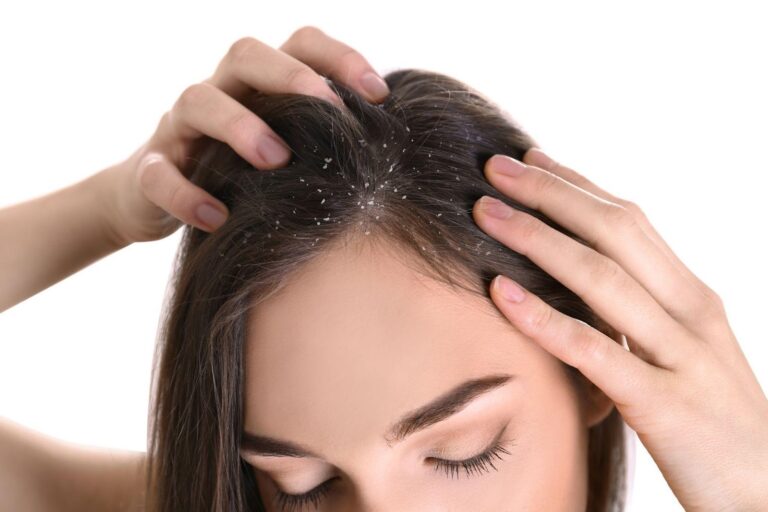
Itchy scalp, irritated mood, and rough hair – tough call to address when you…
The most flattering haircut is the one that balances your face shape. Round faces are lengthened by height at the crown and layers that fall past the jaw. Square faces soften with waves and side-swept fringes. Oval faces suit almost anything. Heart shapes balance a wider forehead with volume around the chin, like a lob or chin-length bob. Bring a photo to your stylist, but let their read of your hair's texture and growth guide the final call.
Length changes the whole feel. Short cuts — pixies and crops — are low-maintenance and striking but need regular trims. The bob and lob are the most versatile mid-lengths, flattering on nearly everyone and easy to dress up or down. Long hair offers the most styling range — waves, updos, braids — but demands more care to keep the ends healthy. Choose length by how much time you'll genuinely spend on your hair each morning.
Healthy hair is mostly about restraint. Wash to suit your scalp, not the calendar — daily for oily roots, every few days for dry or textured hair. Condition mid-lengths to ends, use a weekly mask if your hair is dry or colour-treated, and always apply heat protection before styling tools. Trim every eight to twelve weeks to stop splits travelling up the shaft. Most hair damage comes from too much heat, too much washing, or skipped trims.
Colour-treated and textured hair need a little extra. Sulphate-free shampoos protect colour and moisture; bond-building treatments help repair chemically processed hair. For curls and coils, work with the texture — hydrate generously, detangle gently while wet, and avoid over-brushing. The goal is always the same: less manipulation, more moisture, and cuts that suit the hair you actually have.
What is the most versatile hairstyle?
The bob or lob (long bob) flatters most face shapes, works across hair types, and is easy to style up or down — which is why it's an evergreen favourite.
How often should I get my hair trimmed?
Every eight to twelve weeks, to stop split ends from travelling up the hair shaft and keep the shape looking sharp.
How do I choose a haircut for my face shape?
Aim to balance your proportions — add height for round faces, soften square jaws with waves, and frame heart shapes with volume around the chin. An oval face suits almost any cut.