
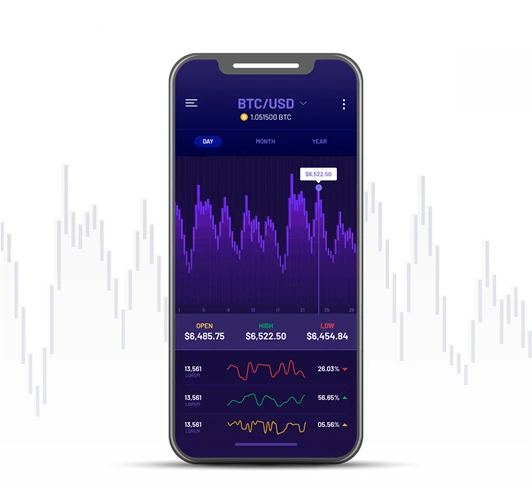
One of the most revolutionary aspects of blockchain technology is its transparency. Every transaction, contract, and change in asset ownership is recorded on a public ledger that anyone can access. But while the data is open, it can be overwhelming and confusing to the untrained eye. For those starting their journey in crypto and seeking to educate themselves with the help of platforms such as Trade 350 App, learning how to interpret this data is a key first step toward understanding the mechanics of decentralized systems.
What Blockchain Data Actually Means
Blockchain data is the digital trail left behind by every activity on a blockchain network. This includes transactions between users, deployments of smart contracts, staking events, mining operations, and changes in token ownership. Unlike centralized databases, blockchains preserve all this information in a time-stamped, sequential, and unchangeable format. Reading this data helps users understand not just individual movements of assets, but the broader behavior and structure of an entire ecosystem. It also offers a way to verify facts independently, rather than trusting third-party platforms or press releases.
Understanding the Role of Block Explorers
Block explorers are tools that translate the raw blockchain data into a human-readable format. If you want to check whether a crypto transaction was successful, which wallet sent how much to whom, or when a particular block was mined, a block explorer is where you go. Platforms like Etherscan for Ethereum or Blockchain.com for Bitcoin allow users to search for wallet addresses, transaction IDs, or smart contracts and instantly access detailed records. The interface may seem technical at first, but even beginners can quickly learn to interpret basic fields like transaction status, gas fees, and timestamps.
Decoding Wallet Activity
Every wallet address on the blockchain has a history. By entering a wallet address into a block explorer, you can view every transaction it has made or received. This creates a full picture of its activity, from token swaps and NFT purchases to staking and interaction with decentralized applications. While this does not expose the identity of the user behind the wallet, it shows how funds move and how the wallet behaves. If a wallet suddenly receives a large amount of funds from a newly launched token, or interacts heavily with high-risk protocols, these patterns may reveal valuable insights for observers.
Smart Contracts and Their On-Chain Behavior
Smart contracts are the programs that power decentralized applications. When you use a DeFi platform, mint an NFT, or participate in a DAO, you are interacting with these contracts. Transactions involving smart contracts are often more complex than simple transfers and can contain detailed input and output data. Thankfully, most block explorers automatically decode this information to show you what actions took place. Whether someone swapped tokens, deposited into a lending pool, or voted on a proposal, it is usually possible to follow the logic of what happened if you look closely.
Token Details and Contract Analysis
Tokens on networks like Ethereum are governed by smart contracts that define how they function. These contracts contain information such as total supply, transaction rules, and account balances. Reading a token’s contract address on a block explorer can reveal whether the code is verified, whether there are strange permissions embedded in the logic, and who the top holders are. This kind of analysis is essential when evaluating new tokens, as it helps uncover signs of potential manipulation or centralization risks. If a single wallet holds an unusually large share of the supply, for example, it might indicate vulnerability to price swings or even rug pulls.
Gaining Clarity on Gas Fees
One area that frequently confuses newcomers is the concept of gas fees. These are the fees users pay to execute actions on the blockchain. On Ethereum, every transaction requires computational resources, and users compete to have their actions processed quickly by offering higher fees. By studying the gas section of a transaction, you can see how much was spent, how the fee was calculated, and whether it was higher than average. Understanding gas dynamics helps users time their transactions more wisely and avoid overspending during periods of network congestion.
Spotting Red Flags in Project Activity
By looking closely at blockchain data, users can often identify warning signs before a project collapses. Sudden token movements from developer wallets, large minting events, or frequent transfers to centralized exchanges may signal that a project is preparing for an exit or facing internal instability. While not every abnormal pattern means trouble, these signs can prompt further investigation. On-chain transparency gives everyone the power to research projects independently, without relying on marketing material or hype-driven announcements.
Real-Time Monitoring and Blockchain Intelligence
For users who want a more sophisticated understanding of blockchain activity, platforms like Dune Analytics and Nansen provide dashboards that visualize behavior across networks. These tools allow for real-time tracking of whales, protocol performance, liquidity flows, and more. They help identify trends and patterns that might not be obvious when reading raw transaction logs. Whether you are researching investment opportunities, tracking competitors, or just learning how the decentralized ecosystem works, these tools offer a powerful way to stay informed.
Avoiding Misinterpretations
While blockchain data is reliable, it can still be misread if taken out of context. A wallet receiving a large number of tokens does not always mean a windfall, as it could be airdropped scam tokens with no real value. Similarly, a large transaction might look like an investment but could be part of a migration or a technical update. It is important to combine technical reading skills with contextual knowledge. Always cross-reference on-chain actions with trusted community sources or official project updates to ensure accurate conclusions.
Conclusion
Blockchain data unlocks a transparent view into how digital systems operate, but it takes some time and effort to interpret effectively. As users become more familiar with block explorers, smart contract behavior, and wallet activity, they gain the power to move through the crypto space with greater awareness and confidence. By understanding the story told by each transaction, anyone can navigate the blockchain with clarity and avoid the pitfalls hidden behind hype and speculation.