At some point during the engagement excitement, a number starts nagging at you. How much is this dress actually going to cost? Bridal magazines show gowns with no price tags, Instagram is full of $200 dupes and $15,000 couture in the same scroll, and nobody in your group chat wants to be the first to admit what they spent. So let’s put some real figures on the table.
Wedding dress prices in Australia span a wide range, and most of that range comes down to where you shop rather than luck. Once you understand what actually drives the cost, budgeting for your dress stops feeling like guesswork. Browsing a Melbourne bridal boutique like Belle et Blanc is a good way to see that pricing spread up close, because a private styling session lets you try silhouettes across several price points and feel the difference in fabric and construction for yourself, rather than judging everything from a photo.
What Australian Brides Actually Spend
Talk to enough brides and a pattern emerges. At the budget end, off-the-rack gowns from bridal chains or sample sales generally land between $500 and $1,500. These can be lovely, but you’re often working with limited size runs and less room for alterations.
Move into the mid-range, roughly $1,500 to $3,000, and you start seeing better fabrics like proper satin or French lace, cleaner construction, and more considered detailing.
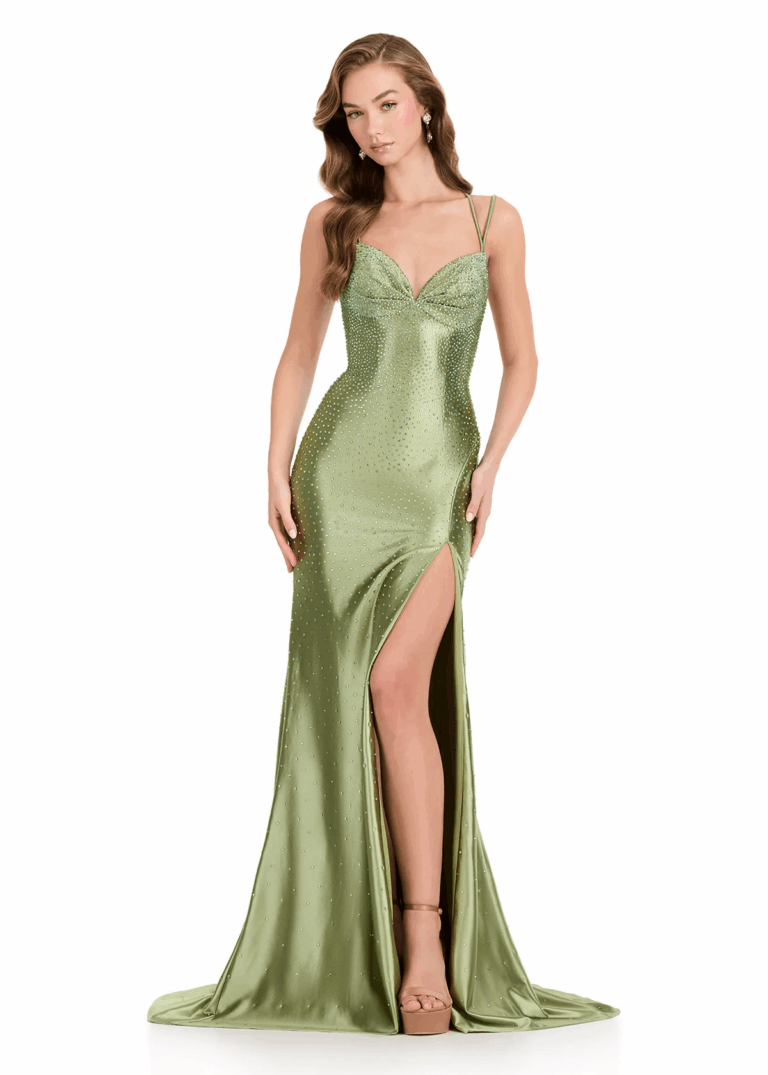
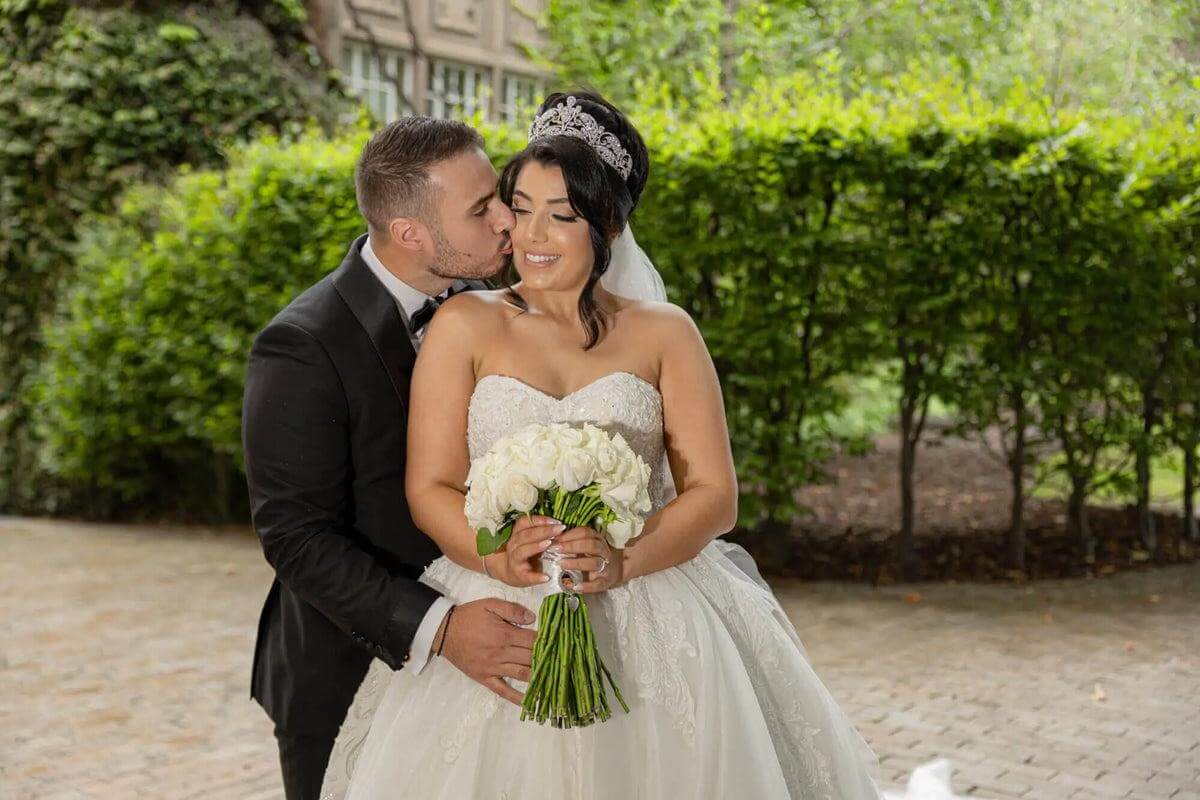
From there, designer ready-to-wear gowns typically sit between $3,000 and $6,000. This is where most brides who want a dress that photographs beautifully and holds its shape all night end up spending, and it’s the bracket Belle et Blanc’s six collections sit within, priced from about $2,700 to $5,400 depending on fabric and silhouette. Fully custom or couture gowns can run well past $8,000, sometimes into five figures, once hand-beading, imported lace, or multiple fittings with a personal dressmaker are involved.
None of these numbers are wrong. They’re just describing different products.
What Actually Pushes the Price Up
The obvious answer is “designer name,” but that’s only part of it. Fabric does a lot of the heavy lifting. Silk mikado and French Chantilly lace cost significantly more than polyester satin, and you can usually feel the difference the moment you touch both.
Construction matters just as much, even though it’s less visible. A boned bodice with internal structure, proper lining, and hand-finished seams takes far longer to make than a dress held together mostly by its zip, and that labour shows up in the price.
Silhouette plays a role too. Ball gowns and mermaid styles generally use more fabric and more structural support than a simple sheath, which is part of why Belle et Blanc’s collections span both ends, from the fitted, minimal Harmony pieces through to fuller Dominiss ball gowns.
Finally, customisation adds cost proportionally to how much changes. Swapping a neckline or adding sleeves to an existing sample is far cheaper than starting from a blank page with a dressmaker.
The Costs That Creep In After the Dress
Here’s the part that catches a lot of brides off guard: the dress price on the tag is rarely the final number. Alterations alone typically add $300 to $800, sometimes more for a bustle or heavy beading, and almost every gown needs some tailoring, even one bought in your exact size.
Then there are the extras. A veil can run anywhere from $150 to $600. Proper undergarments, the right bra and shapewear for your particular neckline, add another $100 to $300. Shoes, jewellery, and a dress preservation box after the wedding all chip away at the budget too. A realistic rule of thumb is to set aside an extra 15 to 20 percent on top of the gown price for everything that goes with it.
This is exactly why a fitting appointment with a stylist who can talk you through inclusions upfront is worth more than it sounds. You leave knowing the real number, not just the sticker price.
Ready-to-Wear or Custom-Made?
This is where budget and timeline meet, and it’s worth thinking through properly. Fully custom gowns give you total control over design, but they usually need six to nine months and involve several fittings, plus a price that reflects all that individual labour.
Ready-to-wear designer gowns, tailored to fit you through alterations, get you most of the way to a custom result at a lower cost and in a shorter window, often ordered and fitted within a few months. It’s a middle path that’s grown popular for good reason: you get a dress made to feel entirely your own without the couture price tag or the long wait.
Getting the Number Right for You
The honest answer to “how much does a wedding dress cost in Australia” is: it depends what you’re buying, and now you know the ranges well enough to set a realistic budget instead of guessing at one. Decide which bracket fits your priorities, factor in that extra 15 to 20 percent for alterations and accessories, and you’ll walk into your first appointment with a clear number instead of an anxious one.
If you’re ready to see and feel that price range in person, booking a private styling appointment at a boutique like Belle et Blanc in Brunswick is a good next step. There’s no substitute for standing in front of the mirror in a few different gowns to know exactly what your money is buying.