Decluttering your space is about creating a more intentional and serene environment by letting go of the excess and keeping only what truly matters. This process not only clears physical space but also brings mental clarity and a sense of calm. The key is to approach it in a way that feels manageable and aligns with your personal style and needs.
How to Declutter Without the Overwhelm and Why Decluttering Feels Hard
Understanding the Emotional Connection to Items
One of the main reasons decluttering feels overwhelming is because our possessions often carry emotional weight. Items can remind us of past experiences, relationships, or aspirations, making it difficult to let go. Recognizing this emotional connection is the first step in overcoming the mental barriers to decluttering. It’s important to acknowledge these feelings without judgment and understand that it’s okay to let go of things that no longer serve you.
The Psychology Behind Clutter
Clutter can also be a manifestation of deeper psychological issues, such as fear of scarcity or a need for control. For some, holding onto items is a way to feel secure, while for others, it might be a form of procrastination or avoidance. Understanding these underlying reasons can help you address them and make the decluttering process more effective. Consider seeking support from a therapist or counselor if you feel that deeper issues are at play.
Breaking It Down into Manageable Steps
To avoid feeling overwhelmed, break the decluttering process into smaller, more manageable tasks. Instead of tackling an entire room at once, focus on one area or category, such as a single drawer or a specific type of item. This approach makes the task feel less daunting and allows you to see progress more quickly, which can be motivating. Remember, decluttering is not a one-time event but an ongoing process.
Setting Realistic Goals
Set realistic goals for your decluttering sessions. For example, aim to declutter for 20 minutes a day or focus on one category of items per week. This helps prevent burnout and makes the process more sustainable. Celebrate small victories along the way, such as clearing a shelf or donating a bag of items, to keep yourself motivated.
Where to Start
Starting the decluttering process can be the hardest part. Here are some tips to help you get going:
Choose a Starting Point
Select a specific area or category of items to begin with. This could be a particularly cluttered room, such as the kitchen or bedroom, or a specific type of item, like clothing or books. Starting with a smaller, more manageable area can help build momentum and make the process feel less overwhelming.
Create a Decluttering Plan
Outline a plan for your decluttering journey. This could include a list of areas or categories you want to tackle, a timeline for each, and any specific goals you have in mind. A plan provides structure and helps you stay focused. Consider using a journal or planner to keep track of your progress and any notes or reflections along the way.
Gather Your Tools
Before you begin, gather any tools you might need, such as boxes, bins, or bags for sorting items. You might also want to have labels or markers on hand to help organize your space. Having everything ready will make the process smoother and more efficient.
Set a Timer
Set a timer for a specific amount of time, such as 20 or 30 minutes, and focus on decluttering during that period. This technique, known as the Pomodoro Technique, can help you stay focused and prevent burnout. Once the timer goes off, take a short break before starting again or moving on to another task.
The Main Decluttering Methods Explained
There are several popular methods for decluttering, each with its own approach and benefits. Here are four of the most effective methods:
One In, One Out
The “one in, one out” rule is a simple yet effective way to maintain a clutter-free space. For every new item you bring into your home, you must remove an existing item. This method helps prevent the accumulation of unnecessary items and encourages you to be more mindful about what you purchase. It also ensures that your space remains balanced and organized over time.
The Four-Box Method
The four-box method involves using four boxes or containers labeled “Keep,” “Donate,” “Sell,” and “Trash.” As you go through your items, place each one into one of the boxes based on its category. This method provides a clear and organized way to sort through your belongings and makes it easier to see what you truly need and what can be let go of. Once you’ve filled the boxes, take action on each one: put the “Keep” items back in their designated places, donate or sell the items in the other boxes, and dispose of the trash.
A Daily 20-Minute Reset
Incorporating a daily 20-minute reset into your routine can help keep clutter at bay. Set aside 20 minutes each day to focus on decluttering a specific area or category of items. This could be as simple as organizing a desk drawer, tidying up a countertop, or putting away stray items. The key is to make it a regular habit, which will help prevent clutter from building up over time. This method is particularly effective for those with busy schedules, as it allows for consistent progress without feeling overwhelming.
Keeping Only What You Love
Another approach is to focus on keeping only the items that you truly love and that bring you joy. This method, popularized by Marie Kondo, encourages you to hold each item and ask yourself if it sparks joy. If it doesn’t, it might be time to let it go. This approach is more about the emotional connection to your belongings and can be a powerful way to create a space that feels authentically yours. It also encourages mindfulness and gratitude for the items you choose to keep.
Combining Methods for a Personalized Approach
While these methods are effective on their own, you can also combine them to create a personalized decluttering strategy. For example, you might use the four-box method to sort through your items and then apply the “one in, one out” rule to maintain your newly organized space. The key is to find a approach that works for you and aligns with your lifestyle and goals.
Remember, decluttering is a journey, not a destination. It’s about creating a space that supports your well-being and reflects your values. By taking it one step at a time and being mindful of your emotional and physical needs, you can create a more organized and peaceful environment.
A Practical Room-by-Room Decluttering Order
Decluttering your entire home can seem like a daunting task, but breaking it down room by room can make it more manageable and less overwhelming. Here’s a suggested order to tackle each space systematically:
1. Start with the Bedroom
- Begin with your closet, as it often holds items that are easier to part with, like clothes you haven’t worn in years.
- Move on to your bedside table and any other furniture, removing items that don’t belong or are no longer useful.
- Don’t forget under the bed and any storage bins or boxes that might be hiding clutter.
2. Tackle the Bathroom
- Go through your medicine cabinet and discard expired medications and beauty products.
- Evaluate your towels and linens, keeping only those in good condition and that you regularly use.
- Organize your makeup and skincare products, tossing anything that’s dried out or that you don’t use.
3. Organize the Kitchen
- Start with the pantry, checking expiration dates and getting rid of items you won’t use.
- Declutter your countertops by putting away appliances and tools that aren’t used daily.
- Go through your fridge and freezer, tossing anything that’s past its prime.
4. Declutter the Living Room
- Sort through your books, magazines, and DVDs, keeping only those you truly love or use.
- Organize your entertainment center, discarding old remotes, cords, and gadgets that are no longer needed.
- Evaluate your furniture and decor, considering if each piece brings you joy or serves a purpose.
5. Finish with the Home Office
- Sort through your paperwork, shredding or recycling what you no longer need.
- Organize your desk, removing unnecessary items and creating a functional workspace.
- Declutter your digital files, deleting what’s not important and organizing the rest.
How to Handle Sentimental Items
Sentimental items can be the hardest to declutter, as they often carry emotional weight. Here are some strategies to help you manage these items with care:
1. Set a Limit
- Decide on a specific number of sentimental items you want to keep, such as one box or a few shelves.
- This can help you make more objective decisions about what to keep and what to let go of.
2. Take Photos
- Consider taking photos of items that hold sentimental value but are not practical to keep.
- This way, you can preserve the memory without the physical clutter.
3. Create a Memory Box
- Choose a small box or container to store your most cherished items.
- This keeps them contained and prevents them from taking over your space.
4. Reflect on the Meaning
- Ask yourself what the item truly represents and if it’s worth the space it occupies.
- Sometimes, the memory is more important than the object itself.
5. Share with Loved Ones
- Consider passing down sentimental items to family members who might appreciate them.
- This can help preserve the memory while also decluttering your space.
Decluttering Your Phone and Digital Life
In today’s digital age, decluttering isn’t just about physical items. Our digital lives can also become cluttered and overwhelming. Here’s how to tackle this aspect:
1. Organize Your Apps
- Delete apps you no longer use or need.
- Group similar apps into folders to keep your home screen tidy.
2. Manage Your Photos
- Delete duplicate or blurry photos.
- Use cloud storage to back up important photos and free up space on your device.
3. Clean Up Your Inbox
- Unsubscribe from newsletters and mailing lists you no longer read.
- Create folders to organize important emails and archive those you need to keep but don’t need to see daily.
4. Review Your Contacts
- Delete contacts that are no longer relevant.
- Update existing contacts with the correct information.
5. Organize Your Files
- Delete files you no longer need.
- Create a clear folder structure to keep your documents organized.
How to Keep a Home Clutter-Free Afterwards
Once you’ve decluttered, it’s important to maintain a clutter-free environment. Here are some tips to help you keep your home tidy:
1. Adopt a One-In, One-Out Policy
- For every new item you bring into your home, remove an old one.
- This helps prevent the accumulation of unnecessary items.
2. Regular Decluttering Sessions
- Set aside time each month for a quick declutter.
- This can be as simple as going through a single drawer or closet shelf.
3. Minimalist Mindset
- Embrace a minimalist lifestyle, part of slow living, by focusing on quality over quantity.
- Ask yourself if each new purchase is truly necessary and if it adds value to your life.
4. Daily Resets
- Take a few minutes each day to tidy up and put things back in their place.
- This prevents clutter from building up over time.
5. Storage Solutions
- Invest in storage solutions that help keep your belongings organized.
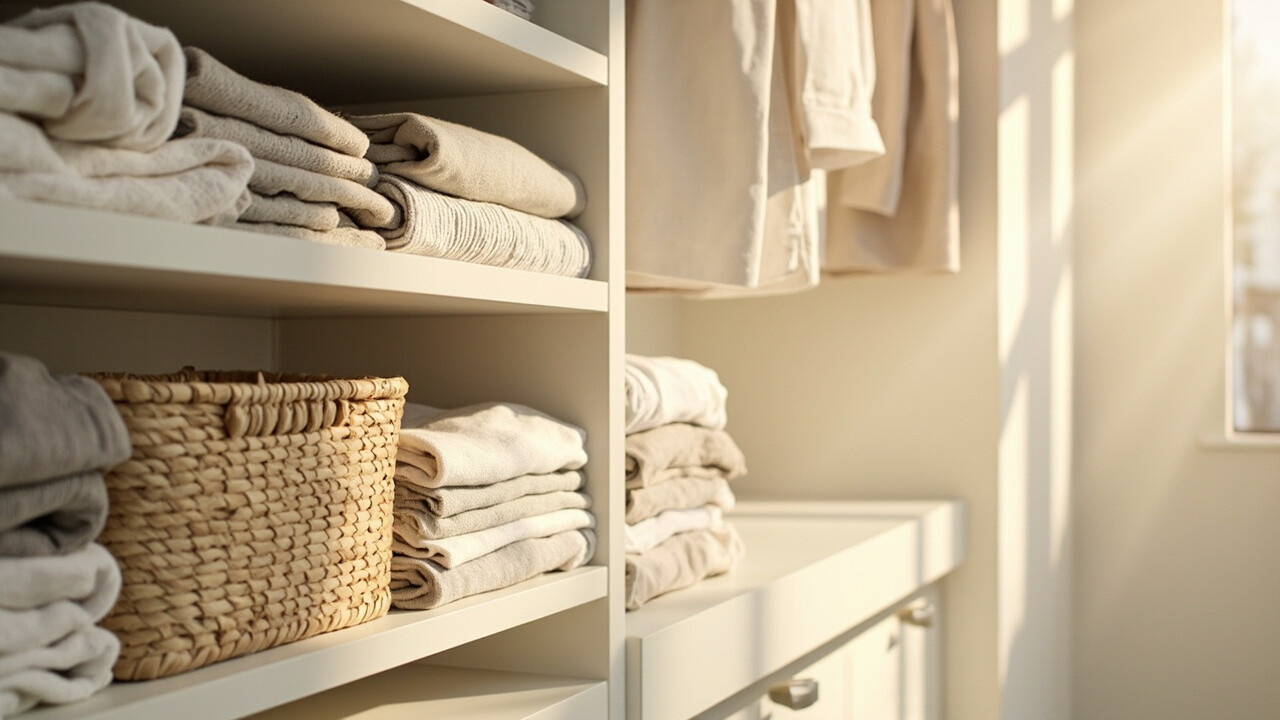
- Use baskets, bins, and shelves to store items neatly and out of sight.
Donating, Selling, or Recycling What You Remove Responsibly
When decluttering, it’s important to dispose of items responsibly. Here’s how to do so:
1. Donate to Charity
- Donate gently used clothing, furniture, and household items to local charities or shelters.
- Research organizations that accept specific items, such as books or electronics.
2. Sell Online or Host a Garage Sale
- Sell items that are in good condition but that you no longer need through online marketplaces or apps.
- Host a garage sale to get rid of large quantities of items at once.
3. Recycle Electronics
- Recycle old electronics at designated e-waste centers.
- Many electronics stores offer recycling programs for old devices.
4. Repurpose and Upcycle
- Get creative and find new uses for old items.
- Upcycle furniture or decor pieces to give them a new life.
5. Compost Food Waste
- Compost food scraps and other organic waste.
- This reduces landfill waste and enriches your garden soil.
Frequently asked questions
How do I declutter my bedroom?
Start by organizing your closet, then move on to your bedside table and under the bed. Keep only the items you use and love, and consider donating or selling the rest.
What are some tips for decluttering sentimental items?
Set a limit on the number of sentimental items you keep, take photos of items you don’t need to keep physically, and create a memory box for your most cherished items.
How can I declutter my digital life?
Organize your apps, manage your photos, clean up your inbox, review your contacts, and organize your files. Delete what you no longer need and back up important items.
How do I maintain a clutter-free home?
Adopt a one-in, one-out policy, schedule regular decluttering sessions, embrace a minimalist mindset, and take a few minutes each day to tidy up.
How do I dispose of items responsibly?
Donate, sell, or recycle items as appropriate. Consider repurposing or upcycling items, and compost food waste to reduce landfill waste.