
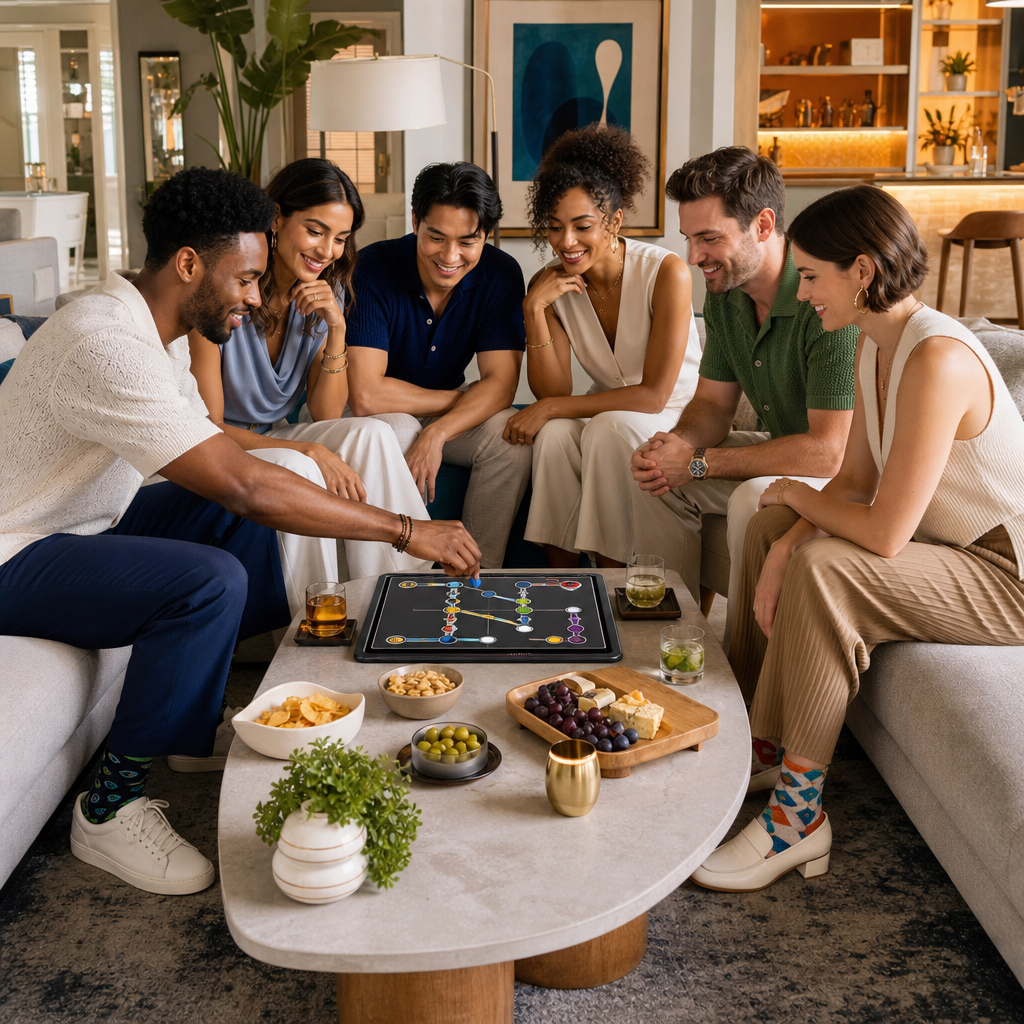
Mission Uncrossable Game Nights In Style
Mission Uncrossable has quietly become one of those games that can turn a casual living room hangout into a full evening plan. It sits at the intersection of entertainment and strategy, with just enough suspense to keep players hooked. For anyone who cares as much about atmosphere and outfit as about scoreboards, understanding how the game works and how intense it can feel is surprisingly useful.
How Mission Uncrossable Actually Plays
Many players first stumble across the Mission Uncrossable game as a fun background activity during a relaxed home gathering. The basics are straightforward. Players are given a “mission” that must be completed without crossing specific lines, whether those lines are actions, choices, or pathways on a board or screen. Each turn becomes a puzzle, where every move needs to stay within the allowed boundaries.
At its heart, Mission Uncrossable is a structure of goals and limits. Players are given an objective, then presented with various routes toward that objective. Some paths are obvious but restrictive, others are more flexible but harder to read. The tension comes from trying to stay within the set parameters while still beating competing players or the house, depending on the version in use.
Because the format can work both on-screen and in physical setups, it suits very different kinds of nights in. Some hosts use a fast, light version as an icebreaker between drinks and snacks. Others lean into a more strategic style, dim the lights, put on a playlist, and let the game become the centrepiece of the evening. Either way, the concept remains the same: complete the mission without crossing the line that ends the round.
Understanding Mission Stakes And Styles
When people talk about “risk levels” in Mission Uncrossable, they are usually referring to how much is riding on each decision and how swingy the outcomes can be. Some styles of play keep things low-key. Rounds are short, the stakes are tiny or purely for bragging rights, and the missions are set up so that most players survive several turns before anything dramatic happens.
On the other end of the spectrum, more intense modes compress a lot into every move. A single choice can dramatically change the scoreboard, and missions are designed so that an ambitious path can pay off in a big way or collapse quickly. The feeling is very different. Calm, chatty tables tend to prefer gradual, steady progress, while competitive groups may enjoy formats where bold decisions and sudden twists are part of the appeal.
There is also a stylistic question. Some players treat Mission Uncrossable almost like a puzzle, carefully mapping out safe routes and choosing conservative options so that their position remains stable over time. Others see it more as a high-energy contest, where calculated exposure and sharp instincts matter more than long-term planning. Understanding personal comfort levels with uncertainty helps each group choose versions of the game that feel exciting rather than overwhelming.
Those who are interested in real money variants often look at three levers. First is stake size, which decides how meaningful each round feels. Second is mission complexity, which shapes how predictable outcomes are. Third is volatility, or how much results can swing over a short session. Tuning these elements creates very different experiences, from gentle background play to nights that feel closer to tournament competition.
Blending Mission Uncrossable Into Lifestyle
For readers who see game night as part of a broader lifestyle, Mission Uncrossable fits surprisingly well into the usual home entertaining script. The setup time is minimal compared with elaborate board games, which leaves more attention for candles, playlists, and what everyone is wearing. Many hosts like it because friends can drift in and out of rounds between topping up drinks or grabbing another slice of pizza.
Fashion comes into play more than one might think. Mission-focused play tends to keep people seated for stretches of time, so structured yet relaxed outfits work best. Think soft trousers or elevated joggers paired with a knit polo or a draped blouse, pieces that look considered when everyone gathers around a coffee table but still feel comfortable curled up on a sofa. Statement socks or sleek slippers can even become a conversation starter when shoes come off at the door.
The game also lends itself to themed evenings. A monochrome dress code can reflect the clean lines and boundaries within Mission Uncrossable itself. Alternatively, hosts can assign colours to different missions, so that anyone currently playing a high-stakes round wears a particular shade. These small styling touches reinforce the atmosphere without turning the night into a costume party.
When real money elements are involved, the setting usually becomes a little more focused. Some groups prefer a bar-cart vibe, with a cleared dining table and neatly stacked scorecards or devices, to emphasise that this part of the night is more structured. Others keep things casual but agree in advance how long the session will last and what limits they are comfortable with, so that everyone shares the same expectations. In many parts of the United States, real money play is permitted only through licensed operators, so players often check local rules before exploring that side of the game.
Ultimately, the attraction of Mission Uncrossable is that it can match the mood of the room. It can be a light, chatty puzzle that sits alongside outfits, shared desserts, and a new playlist, or it can become a highly concentrated test of nerve and strategy. Understanding how the missions work, how varied the intensity can be, and how easily the format slips into a modern home setup allows players and hosts alike to shape their own version of the experience and return to it whenever the next game night rolls around.