
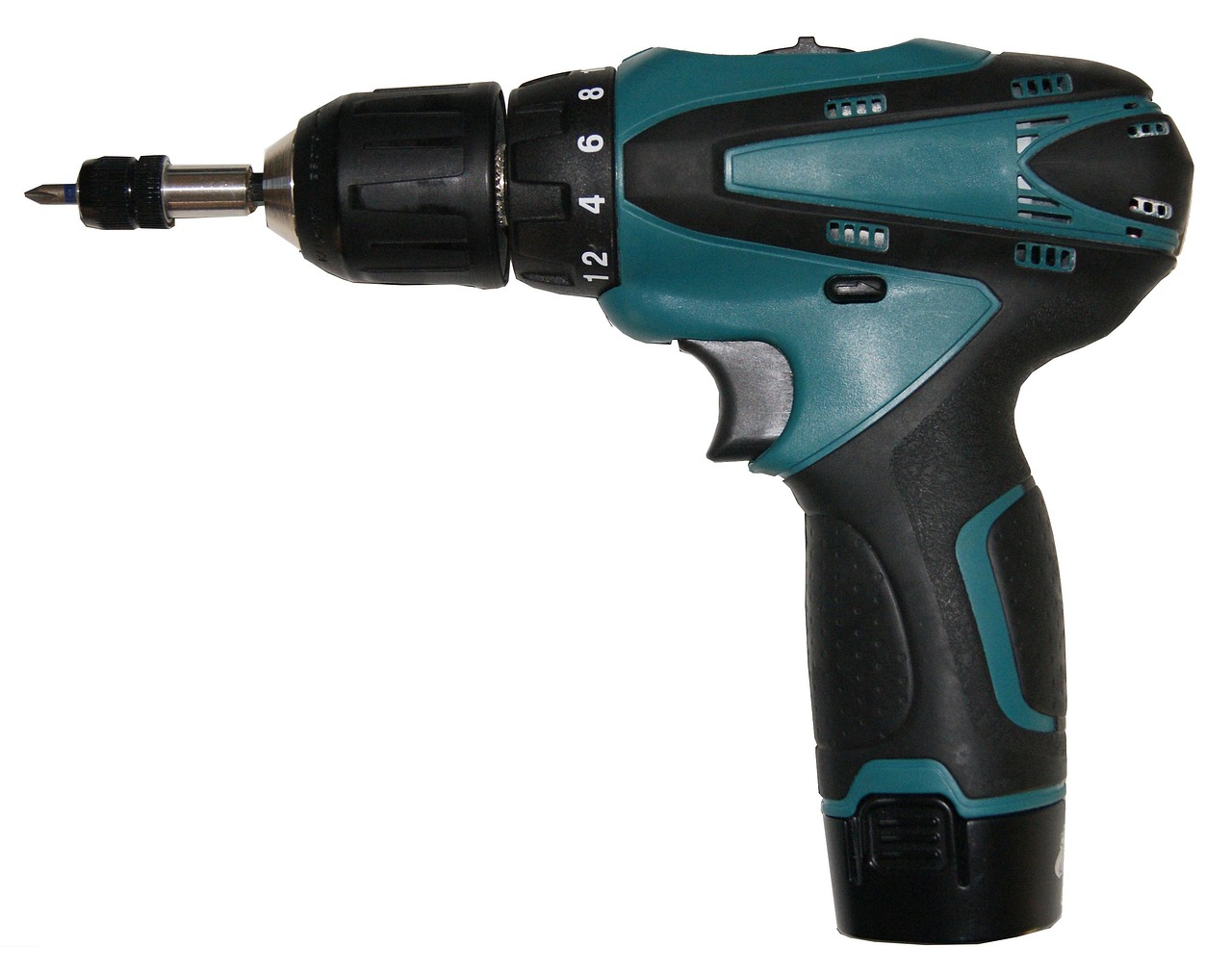
Think one tool can’t handle serious work? You’d be surprised. An oscillating tool may look compact, but it’s one of the most capable, adaptable pieces of gear you can own. With the right blade or attachment, it steps in where other tools struggle, especially in tight spaces, awkward angles, or detailed tasks.
Here are seven jobs where an oscillating tool truly earns its place in your toolbox.
1. Flush Cuts for Trim and Pipes
When you need to make a clean, close cut against a flat surface, not many tools can do it better. Whether you’re installing new baseboards or cutting the end off a copper pipe, this is one of the most common and useful applications.
Door jambs and casings often need to be trimmed to allow new flooring to slide under. You could try with a hand saw, but it’s tough to get the accuracy. An oscillating tool gets right up against the surface and makes the cut without damaging anything nearby. It’s also great for slicing through protruding nails, screws, or bits of wood where space is tight and you need the cut to be flush with the wall or floor.
2. Removing Grout from Tile
This is one of those messy, time-consuming tasks that becomes a lot more manageable with the right tool. Grout removal by hand can take hours and still leave a rough finish. An oscillating tool speeds things up dramatically and gives you more control in the process.
- No cracked tiles – The blade removes grout without damaging the edges of the tile
- Easier to reach tight joints – Especially around corners and narrow spaces
- Smoother prep for regrouting – Leaving a cleaner base for new grout to bond
Whether you’re replacing a few damaged tiles or doing a full bathroom refresh, this job becomes far less of a chore.
3. Cutting Drywall
If you’ve ever tried to cut drywall with a utility knife or jab saw, you know how easily the edges can crumble or tear. Especially around electrical boxes, vents, or recessed lights, a clean cut makes a big difference in both appearance and fit.
With an oscillating tool, you can plunge directly into the panel and trace your cutout without needing to drill pilot holes first. It’s easier to stay on your line, and the blade gives you much better control over depth. That means less damage to studs, wires, or insulation behind the wall. It’s also handy for patch jobs, where precision matters more than speed.
4. Scraping Up Old Materials
Some projects start with removal. Peeling away layers of old flooring glue, stubborn paint, or dried adhesive can be incredibly frustrating if you’re stuck with manual scrapers. The oscillating tool, fitted with a rigid scraper blade, can get under those materials quickly.
It’s especially effective for breaking the bond between surface and material, whether that’s tile mastic, silicone sealant, or even carpet glue. If you’re considering upgrades like engineered hardwood flooring chicago, you still need a bit of patience, but you’ll save your hands from the endless pushing and prying. The result is a smoother, cleaner surface that’s ready for whatever comes next.
5. Sanding Tight or Tricky Areas
You probably wouldn’t use an oscillating tool to sand an entire tabletop, but when it comes to corners, curves, or hard-to-reach areas, it’s hard to beat. The triangular sanding pad gets into spaces that regular sanders can’t touch.
It’s especially useful for window trim, stair railings, or door frames. If you’re refinishing furniture or working on cabinets, it lets you smooth awkward edges without needing to hand-sand every curve. It also works well for detail sanding when patching walls or smoothing filler. Just be sure to use the right grit for the job, as the tool’s motion is more aggressive than it looks.
6. Removing Old Caulk or Sealant
Bathroom and kitchen joints need resealing every so often. The problem? Removing the old caulk cleanly is often harder than applying the new one. Trying to scrape it out with a utility knife or flathead screwdriver usually leads to scratched tiles and half-peeled lines.
The oscillating tool helps here by slicing through the caulk in a smooth motion, even if it’s hardened over time. Once cut, you can use a scraper attachment to lift the rest of it without digging into the surface underneath. That makes for cleaner prep and better adhesion when you apply the new line of sealant. Plus, it’s safer and far less annoying than doing it all by hand.
7. Cutting Flooring During Installs
Flooring projects are never as straightforward as they seem. You always end up needing to trim a board to fit around a vent, undercut a door frame, or fix a piece that doesn’t quite line up. Instead of running to the miter saw every time, an oscillating tool can do many of those quick cuts on the spot.
- Undercut door casings – So flooring can slide neatly underneath without gaps
- Adjust already-laid pieces – When something’s too tight or out of line
- Make detail cuts – Around pipes, vents, or other obstacles without lifting boards
It’s especially handy in small spaces where bigger saws don’t fit, or during final adjustments after most of the work is done.
Not Just a Backup Player
This tool often gets labeled as a “problem solver” — something you grab when nothing else works. But that undersells what it can actually do. Once you’ve used it on a few jobs, it quickly becomes one of your go-to tools. It bridges the gap between precision and power, giving you control over jobs that usually feel frustrating or fiddly.
It’s not just for emergencies or weird corners. It’s for anyone who wants to work smarter, move faster, and get cleaner results — without needing five different tools to do it.