
Picture this: a massive, worldwide diary filled with millions of secrets, confessions, and unspoken goodbyes, all organized by the color of the emotion behind them. In a nutshell, that’s the Unsent Project—a huge, anonymous digital collection of messages people wrote but never dared to send. It's an emotional time capsule, giving us a raw, unfiltered look straight into the human heart.
What Is the Unsent Project Really About?
The Unsent Project is so much more than a website; you could think of it as a collective, global sigh put into words. It all started back in 2015 with creator Rora Blue, who was curious about the connection between colors and love. What began as a simple art experiment has since snowballed into a worldwide space for catharsis and connection.
This digital archive is a safe harbor for the thoughts we all have but rarely say out loud. It gives people a unique place to offload the weight of unspoken feelings without any fear of judgment or consequences. When someone submits a message, they add a small piece to a giant mosaic of human experience, often finding comfort in the realization that they aren't alone in their love, loss, regret, or hope.
From Art Experiment to Global Archive
The project's growth has been nothing short of staggering. Since it launched, the Unsent Project has collected over 5 million anonymous messages from every corner of the globe. It went from a simple artistic question to a one-of-a-kind library of human emotion. This evolution was especially clear during times of social isolation, when submissions spiked by a massive 300%, shining a spotlight on just how badly we all needed an emotional outlet.
Each submission is a tiny, personal story meant for a specific person but left undelivered. The genius is in the color-coding system, which links texts to feelings—like blue for sadness or red for passion. This allows anyone browsing the archive to navigate by emotion, creating a powerful visual landscape of our shared emotional world.
Here’s a look at how the messages and their colors are presented on the project's website.

This visual approach turns the whole archive into an interactive emotional map, where every colored square stands for a feeling that is deeply personal, yet universally understood.
The Power of Releasing Unspoken Words
At its heart, the Unsent Project is all about offering a channel for catharsis. The simple act of writing these thoughts down can be incredibly therapeutic. It’s a lot like clearing out a cluttered room in your mind. If this idea resonates with you, you might find that learning about why decluttering is good for your mental health offers similar insights into the power of organizing your inner world.
The project captures the raw, unfiltered thoughts we have but rarely speak, offering a unique window into the human heart and our shared vulnerabilities.
By sharing their most private, unsent messages, participants are essentially creating a living, breathing emotional time capsule. Submissions are permanent and can't be deleted, so the archive acts as a lasting monument to the feelings that connect us all. In doing so, it builds a powerful, empathetic community bound together by shared experience.
The Healing Power of Saying What Went Unsaid
Unspoken words can be a heavy burden. Think of them as a mental backpack you didn't realize you were carrying, filled with emotions that weigh you down every single day. The Unsent Project gives you a place to finally set that backpack down. At its heart, the project works because of a simple psychological idea called catharsis—the incredible relief that comes from finally letting go of pent-up feelings.
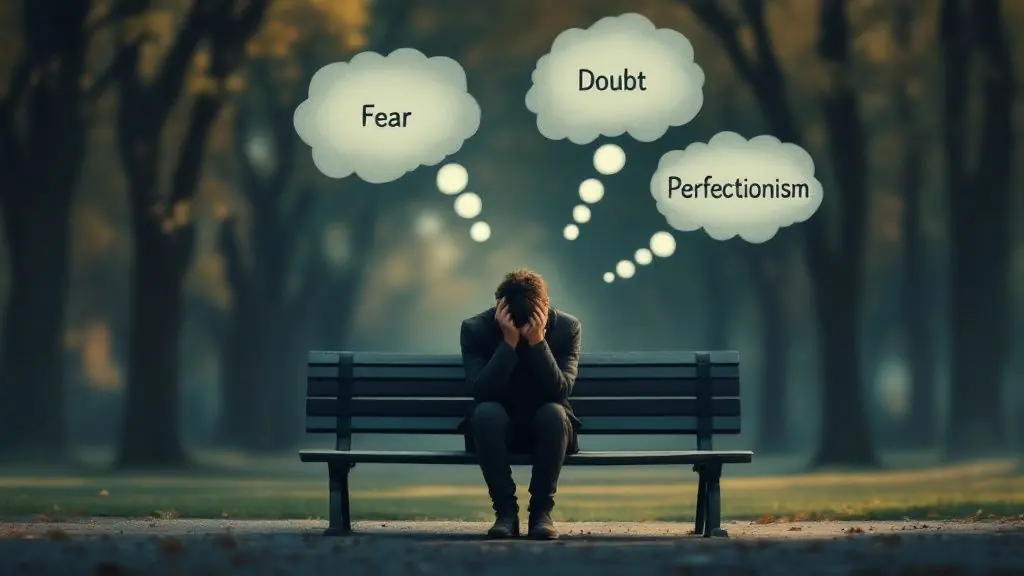
It’s a bit like spring cleaning for your mind. Every unsent message is like a piece of clutter that’s been taking up space and nagging for attention. When you write it down and release it into the project's anonymous archive, you’re not erasing the feeling. You're just… filing it away. This simple act of putting thoughts into words can untangle the most confusing emotions, often bringing a surprising sense of closure—no response needed.
The Freedom of Anonymity
What makes The Unsent Project so powerful is its total anonymity. This is the secret sauce. It completely removes the biggest roadblock to honest communication: the fear of what other people will think.
When you take away the risk of consequences, awkward conversations, or hurting someone's feelings, you give yourself permission to be brutally honest. This creates a rare, safe space where you can explore your rawest thoughts without a filter. It's like lancing a wound—by putting words to the pain, regret, or love you've been holding onto, you release all that built-up pressure. It's a way of telling yourself that your feelings matter and deserve to be heard, even if it's just by you and a sea of strangers.
Tapping into a Universal Need
The project resonates with so many people because it taps into something we all need: expression. We are hardwired to tell stories, and it's often the stories we keep locked inside that have the most control over us. The Unsent Project gives those unspoken stories a place to live.
But the benefits go beyond just your own release. When you browse the archive, you quickly realize you're not the only one feeling this way. Seeing thousands of others wrestling with similar emotions creates an incredible feeling of connection. It’s a powerful reminder of our shared humanity.
"The process of writing down unspoken thoughts provides a pathway to mental clarity, allowing individuals to process complex emotions in a safe, non-confrontational environment."
Getting into this habit is a fantastic form of self-care. If you often feel overwhelmed, you can find other simple self-care routines that can help motivate you to build a stronger emotional toolkit. And if you're looking for more ways to get creative and support your well-being, exploring different therapeutic activities for mental health can open up new avenues for reflection.
Ultimately, The Unsent Project proves that sometimes, the most important conversations we'll ever have are the ones we have with ourselves.
Exploring the Project’s Emotional Rainbow
What makes the Unsent Project so compelling isn't just the words—it's the way it turns a sea of text into a visual landscape of human emotion. It all started with a simple question from the project's founder, Rora Blue: "What color is your love?" This idea blossomed into the unique color-coding system that sits at the heart of the entire archive.
The result is an emotional mosaic. Instead of just searching for a name, you can navigate this massive collection of feelings by color. Clicking on a specific shade instantly pulls you into thousands of stories from people all over the world experiencing that same emotional state. It's a surprisingly powerful way to feel connected.
Decoding the Colors
Every color in the Unsent Project carries a specific emotional weight, turning the archive into a searchable map of the heart. While everyone’s interpretation is a little different, the project generally assigns these themes to each hue:
- Red: This is for the most intense feelings, from deep love and burning passion to overwhelming gratitude.
- Blue: Typically used for situations with a moderate emotional charge, it’s a very common choice for heartfelt, honest messages.
- Yellow: Represents a mix of lost love, but with a sense of hope or a positive outlook for what’s next.
- Green: Conveys feelings of hope that are still tinged with a bit of melancholy or longing.
- Black: Corresponds with the darkest feelings—despair, deep hurt, and the negative impact someone has left behind.
This system does more than just categorize submissions. It uncovers the beautiful and complex patterns of our shared human experience. You can literally see how a single feeling, like hope or regret, is expressed in a million different ways across cultures.
This visual helps break down the core reasons people submit to the Unsent Project, from navigating emotional roadblocks to finding the benefits of quiet reflection.
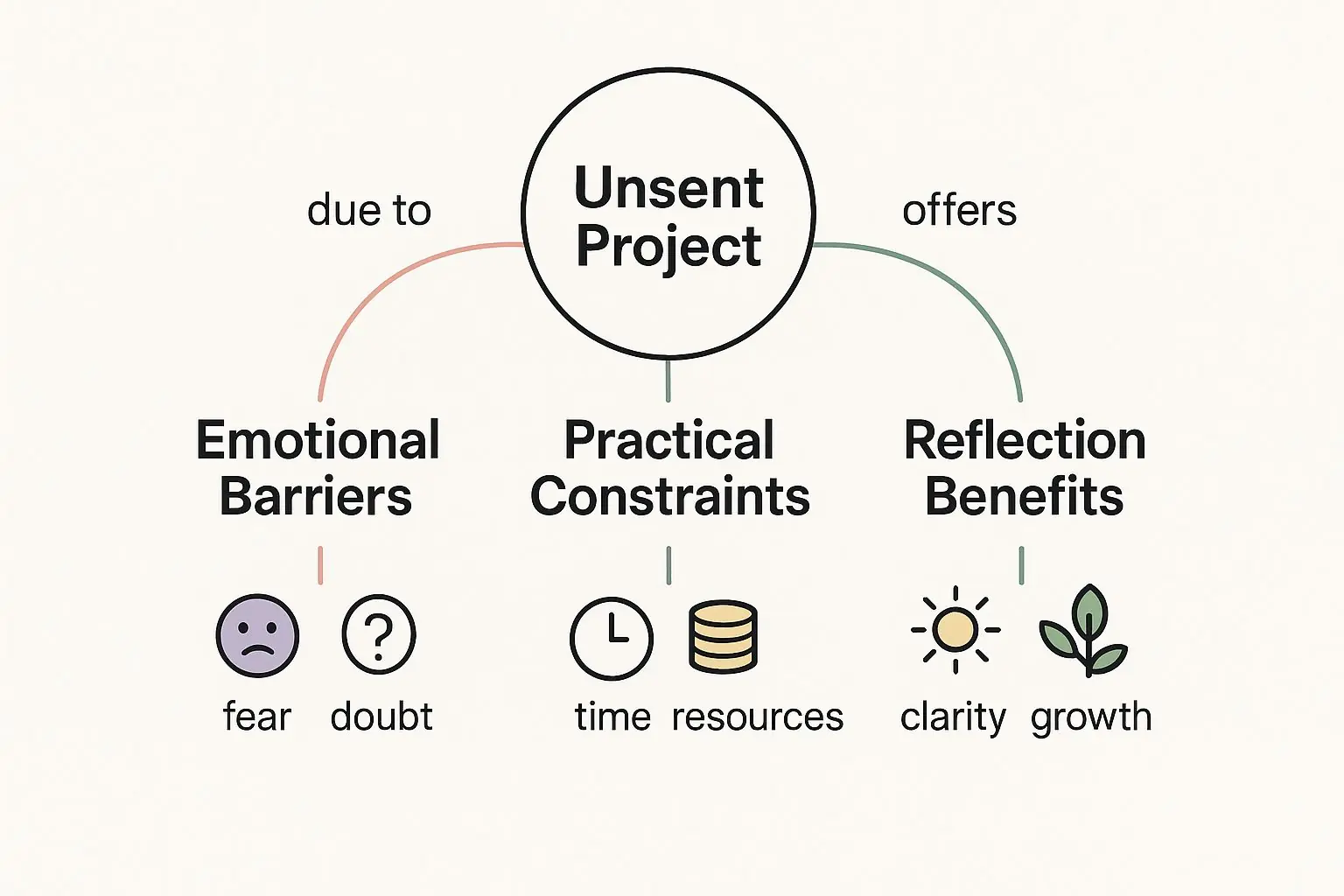
As you can see, the project acts as a release valve for overcoming emotional hurdles while offering a genuine path toward personal clarity and growth.
An Exercise in Empathy
Browsing the archive by color is really an exercise in empathy. When you click on a deep blue square, you’re stepping into someone else’s world of sadness and nostalgia. A vibrant red tile might reveal a fiery, passionate declaration, while a muted grey one could show you pain that’s softened with understanding.
By exploring these color-coded emotions, you witness the universal nature of feelings that are often kept private, fostering a deep and anonymous connection with strangers.
This emotional rainbow transforms a simple archive into an interactive art piece. It’s living proof that while every one of our stories is unique, the feelings that drive them—love, loss, hope, and regret—are things we all understand. The Unsent Project beautifully visualizes this shared human truth.
Stories and Confessions from the Archive
To really get what the Unsent Project is all about, you have to dive into the messages themselves. This isn't just a database of text; it's a library filled with tiny, powerful stories. Each one captures a moment of raw vulnerability, a flash of humor, or a pang of heartbreak. Think of every submission as a confession whispered into the digital void, an unfiltered glimpse into someone's inner world.
These messages are the digital artifacts of what could have been. You’ll find declarations of love that were never sent, searingly honest goodbyes that were never spoken aloud, and quiet observations about things lost or never meant to be. Each one is a potent testament to the heavy feelings we carry around, often in total silence.
Common Threads in a Global Tapestry
Once you start scrolling through the millions of submissions, you’ll notice something incredible: patterns begin to emerge. These recurring themes weave a kind of global tapestry of shared human experience, proving that no matter who we are or where we live, the core emotions that drive us are strikingly universal.
You see the same stories pop up again and again:
- First Loves and Lingering Feelings: A huge chunk of the archive is dedicated to first loves. These messages are dripping with nostalgia, haunted by "what ifs," and colored by the bittersweet ache for a connection that shaped a part of someone's life.
- Missed Chances and Regret: So many submissions are heavy with regret over words left unsaid or chances not taken. They are the apologies that never got delivered and the confessions that came far too late, reminding us all how important it is to just say the thing.
- Family Secrets and Unspoken Bonds: It’s not all about romantic love. The archive is also home to countless messages addressed to parents, siblings, and other relatives. These notes often hold difficult truths, long-overdue thank yous, or acknowledgments of messy relationships that were too hard to talk about face-to-face.
- Heartbreaking Goodbyes: Some of the most poignant messages are the final farewells. They’re written to people who have passed away, to exes, or to friends who have drifted away. For the writer, it’s a space to find closure when there was no chance for it in real life.
If you were to dig into this archive academically, you could even apply qualitative data analysis techniques to formally identify these recurring sentiments and patterns.
"I still look for your car when I drive past your house. I don't even know why. It's been seven years."
This short, anonymous message says it all, doesn't it? Submitted against a simple blue background, it perfectly captures that universal feeling of lingering attachment. It’s a beautiful example of how the project gives a voice to the quiet, persistent habits of a heart that’s still healing.
From Heartbreak to Humor
While a lot of the messages are pretty somber, the archive isn't all doom and gloom. Not even close. You’ll find plenty of witty confessions, inside jokes clearly meant for an audience of one, and sarcastic digs that help soften the blow of a painful memory. It's this emotional range that makes the project so incredibly human and relatable.
One message might read, "I hope your new girlfriend knows you can't cook," while another confesses, "I still use your Netflix password. Sorry not sorry." These lighter notes are a great reminder that healing is rarely a straight line. Even in our sadness, there can be room for a little smile. The Unsent Project beautifully captures this entire spectrum, validating every feeling from the deepest sorrow to the smallest, most private laugh.
How to Start Your Own Unsent Message Practice
Seeing the Unsent Project is one thing, but you don't have to put your private thoughts into a public archive to get that same sense of release. You can create your own private practice of writing unsent messages, which is an incredibly powerful way to work through emotions, find some clarity, and get closure on your own terms.
Think of it as building your own personal vault for radical honesty.
The whole idea is simple: give your unspoken words a place to go without worrying about how someone will react. This isn't about starting a fight; it's about getting things off your chest. When you externalize thoughts that are causing you stress—the kind that might even keep you up at night—you can seriously lighten your mental load. For anyone who deals with a racing mind before bed, our guide on how to manage symptoms of sleep anxiety has some great strategies for quieting things down.
Choosing Your Medium
Your personal unsent project can look however you want it to. The only thing that matters is that it feels private, secure, and easy to get to. The goal is to make it as simple as possible to express yourself, so pick a method you can grab the moment an idea strikes.
Here are a few popular ways people do this:
- A Private Journal: The classic approach. A physical notebook gives you a tangible, screen-free space for your thoughts.
- A Digital Document: A password-protected file on your laptop or a private notes app on your phone is super convenient and searchable.
- An Anonymous Blog: Platforms like Tumblr or Blogger let you create a private blog to post your messages into the void, which can feel very freeing.
- Artistic Expression: If you're more creative, why not paint, draw, or even compose a piece of music inspired by the unsent message?
The most effective method is the one you will consistently use. Don't overthink the format; focus on the act of expression itself.
Powerful Prompts to Get You Started
Sometimes, the hardest part is just starting. Staring at a blank page can feel pretty intimidating, so here are some prompts to help unlock the words you’ve been holding onto. They’re designed to tap into common themes and can be tweaked for just about any situation.
To get the ball rolling, I've put together some prompt ideas organized by common themes. Use these as a jumping-off point to explore what's on your mind.
Unsent Project Prompt Ideas by Theme
| Theme | Prompt Idea 1 | Prompt Idea 2 |
|---|---|---|
| Closure | "What I wish I had said to you was…" | "The last thing I need you to know is…" |
| Gratitude | "I never got the chance to thank you for…" | "Something you did that I still think about is…" |
| Hurt & Healing | "The way you made me feel when…" | "What I need to say to move on from this is…" |
| Forgiveness | "I am ready to forgive you for…" | "I forgive myself for…" |
| Unspoken Love | "If I were brave enough, I would tell you…" | "I don't know if you knew, but I…" |
These are just starters, of course. The real magic happens when you let the words flow without judgment.
Starting your own unsent message practice is a simple but profound act of self-care. It puts you in the driver's seat of your own emotional healing, giving you a safe and cathartic outlet for the stories you need to tell—even if they're only for you.
Got Questions? Here's What You Need to Know
Diving into the Unsent Project for the first time can feel a little different, and it's natural to have a few questions. This isn't just another website; it's a living digital art piece with its own philosophy. Let's break down some of the most common things people ask.
Getting a handle on these details really helps you see what makes this project so unique—it's part public diary, part permanent emotional archive.
Can I Delete My Submission?
The short answer is no. Once you send your message into the void, it's there for good. This is a deliberate choice by the creator, Rora Blue, not an oversight. Think of each submission as an emotional artifact, frozen in a specific moment.
This permanence is what gives the project its weight. It encourages you to be thoughtful and honest, knowing your words are becoming part of a lasting time capsule of human feeling. It preserves that raw, unfiltered moment just as it was.
The inability to delete submissions is central to the project’s concept, ensuring each message remains a permanent part of the collective human story being told.
This one rule transforms the Unsent Project from something like a fleeting social media post into a serious, reflective space. It’s like sealing a letter in a time capsule—what’s inside is meant to be preserved.
Is It Really Anonymous?
Yes, the project is designed to be completely anonymous. When you submit, all you provide is a first name, your message, and a color. The system doesn't track IP addresses, ask for emails, or require any kind of user account.
But here’s the thing: true anonymity is up to you. Be careful not to include any identifying details in the message itself. Avoid full names, specific addresses, or unique stories that someone could easily connect back to you or the person you're writing to.
What's the Deal with the Colors?
The color coding is the heart and soul of the Unsent Project. It's what turns a massive database of text into a visually stunning map of human emotion. Each color lets you explore the archive by feeling, not just by name.
This creates an incredibly powerful way to connect. You can literally dive into a sea of "blue" to find messages of sadness, or surround yourself with the "red" of passion. The colors are a universal language, linking total strangers through the emotions we all share.
Can I Actually Read All the Messages?
Absolutely. The entire archive—with over 5 million messages and counting—is open for anyone to explore on the official website. You can search by the first name a message was addressed to or just wander through the different colors to see what you find.
This open-door policy is key to the whole point of the project. It’s about creating a space where you can see, in real-time, that you aren't the only one with unspoken feelings. It builds a quiet empathy between people who will never meet but instantly understand a piece of each other's story.