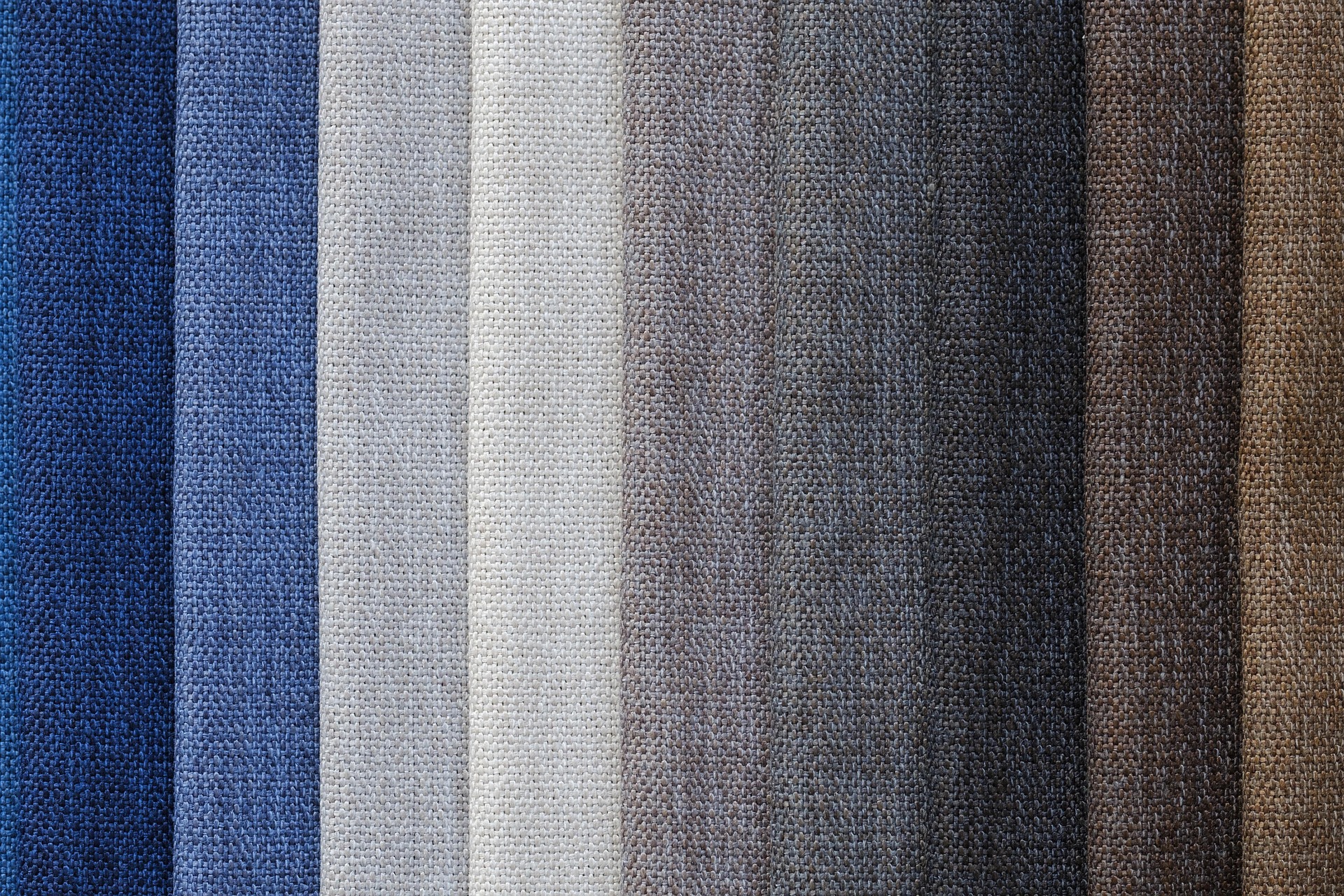
Designers in the industry make decisions about the colours of their designs first and foremost, and then move onto the silhouette of their designs, but what ultimately matters is the type of fabric used in a garment, as that is what will determine how a garment looks and feels when it is being worn.
A common question asked by fashion aspirants and owners of fashion labels when they are considering which materials to use is ‘what is modal fabric and how does it compare to well known fibers such as cotton and polyester?’ To fully understand the nature of modal, it’s nice to have some knowledge on where the fiber originates from, how it’s made, and why apparel manufacturers have chosen to use it in particular types of clothing.
The Origins of Modal Fabric
The raw material of modal is usually a semi-synthetic fiber derived from natural cellulose, specifically wood pulp. Most of the wood pulp is obtained from beech trees. Once the wood pulp is obtained from the beech tree, the cellulose is then broken down into fibers which can be spun into yarn.
After the cellulose is broken down, it is reformed into longer fibers and then spun into yarn. Since modal has been developed from a natural source, it is considered to be somewhere between natural and man-made. As a result of this, modal has many of the qualities of both natural and man-made fibers. For example, modal can have the breathability and softness of a natural fiber and the uniformity and consistency that manufacturers require from man made fibers.
Why Modal Fabric is so Soft
One of the greatest advantages of modal fabric is the fact that it has an extremely smooth texture. The fibers are very fine and allow the final product to be light and soft to the touch.
This softness is a reason why designers select modal fabric for comfort focused garments. Examples include underwear, sleepwear and loungewear as these garments come into direct contact with the body.
When considering the manufacturing process, modal yarns can create fabrics with a very uniform surface. This means that modal garments typically have a smooth, refined surface rather than a textured surface.
How Modal Fabric Hangs
Another property that defines modal fabric is drape. Drape is the term used to describe how the fabric hangs and moves after it has been cut and sewn into a garment. Modal fabrics have a tendency to hang smoothly and do not retain a rigid structure. This creates a comfortable and relaxed look for the wearer, while also providing the wearer with comfortable mobility.
Modal is often used by designers in garments such as t-shirts, lightweight dresses and casual tops. In these categories, the fabric’s ability to move naturally enhances both the comfort and aesthetic of the garment.
Modal Blends in Apparel Production
While many producers manufacture using pure modal fibers, others also mix modal fibers with other fibers to create different performance characteristics in the final garment. An example of this would be mixing modal fibers with cotton to create a modal/cotton blend. This blend maintains the structure of cotton but adds to the softness of the fabric. When elastane is mixed into the blend, the resulting fabric gains both stretch and flexibility, which is beneficial for producing fitted garments. As a result, modal fibers are frequently blended with other fibers to achieve desired combinations of comfort, durability and stretch in each garment category.
Manufacturing Benefits of Modal
Modal also provides consistent and predictable results during garment production. The fibers are able to effectively absorb dye, allowing manufacturers to consistently and strongly colour garments. Dimensional stability is another benefit of using modal fibers, and that’s because modal fabrics tend to experience less shrinkage than many cotton knits, helping to prevent garments from losing their shape after laundering. Finally, modal fibers are relatively strong. If properly knit or woven, the fabric is able to endure regular wear and tear without losing its smooth texture.
Why Clothing Companies Use Modal Fabric
For modern apparel companies that want to develop new lines of clothing, modal provides a unique combination of softness, flexibility, and reliable manufacturing performance. Designers often choose to use modal for garments that emphasize comfort and smooth motion.
Therefore, understanding modal fabric goes beyond understanding where the fiber comes from. It also entails comprehending how the fiber behaves throughout the entire garment production process and how the finished garment behaves once it is worn.
Each stage of apparel production is affected by the type of material used. By understanding fabrics such as modal, designers gain greater control over the look and functionality of their garments as well as the longevity of those garments.