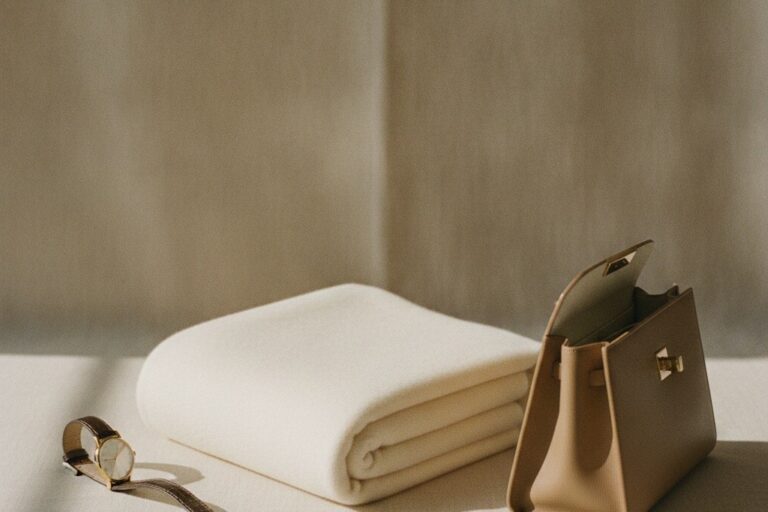

Luxury used to be something people wanted others to recognize immediately. Designer logos, expensive accessories, oversized chandeliers, and elaborate furniture all communicated financial success. Today, a different interpretation of luxury favors discretion, quality craftsmanship, and understated sophistication. Known as quiet luxury, this philosophy has influenced everything from the clothes people wear to the furniture they choose for their homes.
Fashion houses such as Loro Piana, The Row, and Brunello Cucinelli exemplify this approach. Their collections emphasize premium fabrics, precise tailoring, natural colors, and silhouettes that remain relevant beyond a single season. A beautifully constructed cashmere sweater does not need a prominent logo to distinguish itself from a cheaper alternative. Its quality becomes apparent through its texture, appearance, and construction.
Interior design follows a remarkably similar principle. A solid walnut dining table with carefully finished edges can make a stronger impression than an elaborately decorated piece covered in fashionable details. The character of natural wood, the proportions of the table, and the quality of its construction become the features that attract attention.
Part of this shift reflects a growing appreciation for warm minimalism. Earlier interpretations of minimalist interiors often favored white walls, polished surfaces, sharp angles, and an almost complete absence of decoration. While visually striking, these spaces sometimes lacked the warmth people wanted in their everyday surroundings. Quiet luxury introduces softer colors, richer materials, and more inviting textures without abandoning simplicity.
The dining room provides an ideal setting for this approach because it serves several purposes. It accommodates family meals, celebrations, morning coffee, and conversations that continue long after dinner. Unlike a formal reception room reserved for special occasions, a dining area must withstand frequent use while maintaining its character.
Personal style also influences what people expect from their interiors. Someone who appreciates a tailored wool coat, understated leather shoes, and neutral clothing may naturally gravitate toward oak furniture, linen upholstery, and handmade ceramics. Both preferences reflect an interest in materials and design rather than decorative excess.
Social media has contributed to the visibility of quiet luxury, although the principles behind it existed long before the term became popular. Traditional European homes, Japanese interiors, and Scandinavian design have demonstrated for generations how restrained decoration and thoughtful craftsmanship can create attractive living spaces.
Perhaps the most appealing aspect of quiet luxury is that it changes the relationship between price and perceived value. An expensive dining chair is not automatically luxurious, just as an affordable vintage table is not necessarily ordinary. The design, condition, comfort, and quality of an object determine much of its appeal.
For homeowners, adopting this philosophy means looking beyond the initial excitement of buying something new. A dining room becomes less about assembling impressive possessions and more about creating an environment that feels satisfying every time someone sits down. The transition from fashion to furniture is therefore more than a visual trend. It represents a different approach to choosing and appreciating the things people live with.
The Materials That Do the Talking
Materials form the foundation of quiet luxury because they provide visual interest without relying on excessive decoration. In fashion, the softness of cashmere or the texture of brushed wool can distinguish an otherwise simple garment. In interior design, natural timber, stone, leather, and woven fabrics perform much the same role.
Walnut is particularly suitable for sophisticated dining interiors. Its deep brown coloring and distinctive grain introduce warmth without requiring additional ornamentation. A walnut table paired with cream upholstered chairs can establish a complete visual identity for a room, leaving little need for elaborate accessories or brightly colored decorations.
Oak offers a lighter alternative that works well in homes with abundant natural light. Its visible grain adds texture, while different finishes allow homeowners to achieve anything from a pale Scandinavian appearance to a darker, more traditional atmosphere. Solid oak furniture can also be refinished when surface damage accumulates over time.
Natural stone introduces another layer of character. Marble, travertine, and limestone contain patterns and tonal variations that make individual pieces distinctive. A modest travertine sideboard or marble tabletop can become a focal point without dominating the entire dining room. The material itself provides the decorative detail.
However, attractive materials should also suit household routines. Marble can develop stains and etching when exposed to acidic substances, while certain untreated woods require regular maintenance. Families with young children may prefer sealed timber, engineered stone, or other surfaces that accommodate frequent spills without demanding constant attention.
Fabric selection deserves equal consideration. Linen offers a relaxed appearance that complements natural wood, while wool upholstery introduces a softer, more substantial texture. Leather brings warmth and develops character through use, making it suitable for homeowners who appreciate materials that change gradually.
Durable synthetic blends also have a place in understated interiors. A well-made performance fabric can resemble natural linen while offering improved resistance to stains and abrasion. Quiet luxury does not require sacrificing practicality for material purity, particularly in a room where food and drinks are regularly served.
Color choices further influence how these materials interact. Chocolate brown, warm ivory, muted olive, tobacco, taupe, and soft burgundy create depth without overwhelming a room. These shades work together because they share the warmth and subtle variation associated with natural materials.
A restrained color palette does not mean every surface needs to match. Dark wooden furniture can sit comfortably alongside pale plaster walls, olive upholstery, and beige curtains. Small differences in tone prevent the room from appearing flat, while the limited range of colors maintains visual cohesion.
Furniture silhouettes provide additional opportunities for expression. Rounded chair backs, tapered legs, curved table edges, and sculptural bases introduce personality without needing elaborate carvings. The shape of a piece can be as significant as its material, particularly when surrounding decoration remains minimal.
Metal finishes should complement rather than compete with these elements. Brushed brass, aged bronze, and matte black hardware generally produce a softer impression than highly reflective finishes. A simple bronze pendant light above a wooden table can introduce contrast while maintaining the understated character of the room.
Texture becomes especially important when working with neutral interiors. Smooth ceramic plates, woven placemats, textured upholstery, and natural timber create different tactile experiences within a consistent color scheme. These variations keep the room engaging despite the absence of bold patterns.
Lighting also changes how materials appear throughout the day. Walnut may reveal reddish undertones in afternoon sunlight, while textured plaster becomes more noticeable beneath a warm evening lamp. Choosing materials that look attractive under different lighting conditions makes the dining room enjoyable beyond a single moment.
Quality ultimately reveals itself through small details. Closely fitted joints, neatly stitched upholstery, smooth drawer mechanisms, and carefully finished edges distinguish well-constructed furniture. These characteristics might escape notice in photographs, but they become increasingly apparent through years of everyday use.
What the Neighborhood Bistro Gets Right About Luxury
Some of the most appealing examples of quiet luxury are found in neighborhood restaurants rather than exclusive hotels or expensive private residences. Small European bistros often create sophisticated interiors using familiar materials, practical furniture, and carefully considered lighting. Their appeal comes from atmosphere rather than extravagance.
Parisian bistros offer a particularly recognizable example. Bentwood chairs, marble-topped tables, upholstered benches, and understated wall decorations create spaces that feel established and welcoming. Individual pieces may be relatively simple, yet their combination produces an interior with a strong sense of identity.
Traditional Italian trattorias demonstrate a different interpretation of understated elegance. Dark wooden furniture, cream tablecloths, simple glassware, and warm lighting establish an intimate environment. The focus remains on food, conversation, and hospitality rather than expensive decorative features.
Scandinavian restaurants frequently use lighter timber, sculptural chairs, handmade ceramics, and natural fabrics. Their interiors demonstrate how simplicity can feel inviting when materials provide sufficient warmth and texture. Comfortable seating and soft lighting prevent the restrained aesthetic from becoming impersonal.
Homeowners exploring bar and restaurant furniture can find inspiration in pieces designed to balance appearance with durability. Commercial dining chairs and tables often accommodate frequent use, making certain designs suitable for busy family homes where furniture must remain attractive despite daily wear.
Hospitality interiors also demonstrate the importance of comfortable seating. A dining chair might look exceptional in a showroom, but its value diminishes if guests become uncomfortable after twenty minutes. Restaurants depend on seating that supports natural conversation and allows customers to enjoy extended meals.
Homeowners should evaluate seat height, backrest angle, upholstery firmness, and armrest placement when selecting dining chairs. These practical details contribute more to the everyday experience than decorative stitching or an unusual designer label. A comfortable chair makes the dining room a destination rather than merely somewhere to eat.
Banquette seating provides another useful lesson from restaurant design. An upholstered bench along a wall can create an intimate dining corner while reducing the space required for individual chairs. Paired with a wooden table and two freestanding seats, it establishes a relaxed arrangement suitable for family meals and informal gatherings.
Lighting deserves particular attention because restaurants use it to shape how customers experience a space. Bright overhead lighting may be useful for cleaning and food preparation, but softer illumination generally creates a more pleasant dining atmosphere.
A pendant suspended above the table can establish a central pool of light, while wall lamps and sideboard lighting soften darker corners. Warm white bulbs and dimmer switches allow homeowners to adjust the room between breakfast, afternoon activities, and evening meals.
Acoustics contribute to comfort in ways that are frequently overlooked. Rooms dominated by glass, stone, and hard flooring may amplify conversations and create distracting echoes. Curtains, upholstered seating, and carefully positioned rugs can absorb some sound while introducing additional texture.
Table settings offer another opportunity to borrow from hospitality design. Restaurants with understated interiors often use simple white plates, substantial cutlery, elegant glasses, and neatly folded napkins. These familiar objects create a sense of occasion through consistency and thoughtful presentation rather than elaborate ornamentation.
Spacing is equally important. A large dining table can make a small room feel crowded, while excessively bulky chairs restrict movement. Successful hospitality layouts demonstrate how careful proportions allow people to move comfortably without sacrificing intimacy.
Homeowners should nevertheless avoid recreating a restaurant interior too literally. Matching commercial chairs, identical pendant lights, and perfectly standardized table arrangements can make a residential dining room feel impersonal. Family photographs, inherited serving dishes, artwork, and collected objects help distinguish a home from a public establishment.
The most valuable lesson from neighborhood bistros concerns how a dining space makes people feel. Attractive surroundings encourage guests to stay, order another coffee, or continue a conversation. A successful home dining room creates a similar experience through comfortable furniture, thoughtful lighting, and an atmosphere that makes ordinary meals feel worth enjoying.
Dressing Your Dining Room Like a Capsule Wardrobe
The capsule wardrobe offers a practical framework for furnishing a dining room. Instead of purchasing numerous items that follow different trends, people establish a foundation of carefully selected pieces that complement one another. Individual accessories can change while the core collection remains relevant.
A dining table usually deserves priority because it establishes the proportions and visual character of the room. A well-constructed rectangular oak table, round walnut table, or simple pedestal design can accommodate several decorating styles throughout its lifetime.
Dining chairs represent the next major investment. Homeowners should prioritize construction and comfort, particularly when the dining room receives daily use. Replaceable seat cushions and upholstery that can be renewed offer additional value because they extend the useful life of the furniture.
A sideboard completes the foundation in many dining rooms. Besides storing tableware, glassware, and serving dishes, it provides a surface for lighting and carefully selected decorative objects. A timeless wooden cabinet may remain useful even if the dining room eventually becomes a different type of space.
These core purchases deserve a larger share of the budget than accessories. Ceramic vases, table runners, candles, and decorative bowls can be found at reasonable prices without compromising the overall appearance. Spending heavily on every object is unnecessary when the room already contains several distinctive pieces.
Secondhand furniture offers particularly interesting opportunities for homeowners working with limited budgets. Vintage dining tables and chairs sometimes feature solid timber construction that would cost considerably more to purchase new. Minor scratches and outdated upholstery should not automatically disqualify an otherwise well-made piece.
Auction houses, estate sales, flea markets, and online marketplaces can provide access to furniture from different periods. Mid-century dining chairs, traditional European sideboards, and older farmhouse tables can complement contemporary interiors when their proportions and materials work together.
Restoration allows homeowners to personalize these discoveries. Refinishing a wooden table, replacing damaged hardware, or reupholstering chairs can transform furniture without removing its original character. Professional restoration may be worthwhile for structurally sound pieces, although labor costs should be considered before purchasing.
Existing household furniture also deserves attention before a shopping trip. A dining set that appears outdated might need only new upholstery, a different finish, or improved lighting. Removing surrounding clutter can reveal qualities that were previously difficult to appreciate.
Mixing furniture styles introduces individuality that matching collections sometimes lack. A traditional walnut table can work with contemporary upholstered chairs, while a vintage oak sideboard may complement a modern pendant. Shared colors, materials, or proportions help connect pieces from different design periods.
The capsule approach also encourages homeowners to resist making purchases simply because an item is fashionable. Unusually shaped chairs, highly distinctive table bases, and dramatic finishes may generate immediate excitement, but they can become restrictive when decorating preferences change.
A useful purchasing test involves considering whether a piece would still look appropriate in a different room or home. Furniture with balanced proportions and familiar materials generally adapts more easily to changing circumstances. An object that depends entirely on its current surroundings may offer fewer long-term possibilities.
Seasonal changes can occur through smaller accessories rather than furniture replacement. During winter, darker table linens, brass candleholders, and wool textures introduce warmth. Summer arrangements might incorporate lighter fabrics, clear glassware, fresh flowers, and pale ceramics.
Artwork provides another way to express personal taste without changing the room’s foundation. A large abstract painting, framed botanical illustrations, or a collection of monochrome photographs can introduce visual contrast. Homeowners can select pieces that hold personal significance rather than purchasing art solely because it matches the curtains.
Small dining rooms benefit from the same principles as larger spaces. A compact round pedestal table, four comfortable chairs, and a single attractive light fixture can create an elegant composition without requiring substantial floor space or an extensive furniture collection.
Budget-conscious homeowners should also distinguish between genuine quality and marketing language. Terms such as premium, designer-inspired, and luxury finish reveal little about how furniture is constructed. Checking material specifications, inspecting joints, and testing chairs provides more useful information than relying on product descriptions.
Patience may be the most overlooked component of furnishing a room this way. Purchasing everything at once creates pressure to compromise, particularly when budgets are limited. Building a dining room gradually allows homeowners to discover stronger pieces, evaluate how they use the space, and avoid purchases they later regret.
The Most Luxurious Thing in Your Home Might Be Its Age
Newness has traditionally been associated with luxury. Unmarked surfaces, pristine upholstery, polished metals, and recently purchased accessories communicate freshness. Quiet luxury challenges that association by recognizing that age can enhance the character of certain materials and objects.
Leather provides one of the clearest examples. Depending on its finish and quality, leather can develop subtle variations in color and texture through regular use. These changes distinguish an established piece of furniture from something that has just left a showroom.
Timber develops its own character over time. Natural wood may darken or lighten through exposure to sunlight, while small surface marks document years of use. Although significant damage requires attention, minor imperfections can contribute to the charm of a well-maintained dining table.
Brass, bronze, and copper may acquire a patina that softens their original appearance. Instead of maintaining a permanently polished surface, homeowners can appreciate how these materials interact with their surroundings. An aged brass candleholder may look more natural alongside vintage timber than a recently manufactured decorative equivalent.
Inherited furniture introduces a dimension of luxury that cannot easily be purchased. A cabinet belonging to a grandparent, a table used during childhood celebrations, or a collection of inherited dinner plates connects everyday routines with family history.
These objects do not need to be rare or financially valuable to deserve a place in a sophisticated interior. Their significance comes from personal associations, craftsmanship, and familiarity. Combining inherited possessions with contemporary furniture allows the dining room to reflect its occupants rather than a particular showroom aesthetic.
Longevity also has financial advantages. Replacing inexpensive furniture every few years can become more costly than maintaining a well-constructed alternative. Homeowners who consider repairability, maintenance expenses, and expected useful life make more informed purchasing decisions.
Environmental considerations reinforce the appeal of keeping furniture longer. Repairing an existing chair or refinishing a table reduces the demand for replacement products and avoids some unnecessary waste. Not every expensive object is sustainably produced, but extending the life of usable furniture remains a practical starting point.
A dining room should also accommodate changing household routines. Children grow older, families relocate, and entertaining habits evolve. Timeless furniture leaves room for these changes without making previous purchases feel obsolete.
The distinction between quiet luxury and trend-driven decorating becomes clearer over time. A room furnished to resemble a popular social media photograph may provide immediate satisfaction, yet its appeal can fade when a new aesthetic emerges. A room assembled around personal preferences has fewer reasons to change simply because prevailing tastes shift.
Fashion offers a fitting comparison. A beautifully tailored coat that someone has worn for fifteen years may hold more significance than a newly purchased designer jacket. Its familiarity, comfort, and enduring appearance become part of its value.
Dining rooms can develop precisely the same qualities. Comfortable chairs, treasured tableware, and a wooden table marked by years of celebrations become increasingly personal through use. Their appeal extends beyond how they look when visitors arrive.
Ultimately, quiet luxury is not about convincing others that a home contains expensive possessions. It is about recognizing the pleasure that comes from thoughtful design, dependable craftsmanship, familiar materials, and meaningful objects. A dining room built around those priorities offers something more enduring than fashionable decoration. It becomes a place where everyday life feels good for years to come.