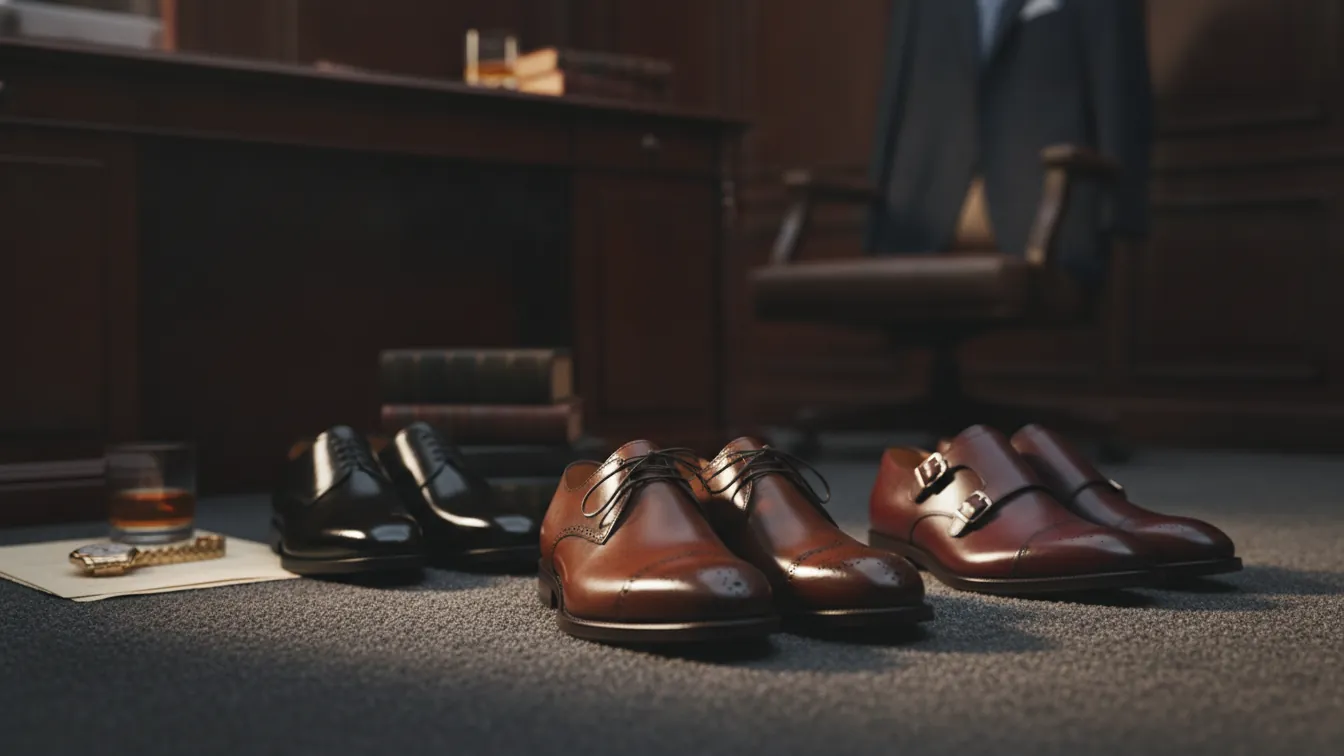
The shoes you wear to an important business meeting can say as much about your attention to detail as your suit. Yet choosing the right pair is not always simple. Some styles look professional in the office but feel out of place at formal events. Others appear elegant but lack the comfort needed for a long workday.
Exploring Top formal dress shoes is a useful starting point, especially when considering refined dress boots alongside traditional footwear.
The following steps will help you choose shoes that suit the occasion.
1. Start by Understanding the Occasion and Dress Code
Before comparing shoe designs, consider where you will wear them. Business meetings and formal events may both require polished footwear, but their expectations differ.
For conservative business meetings, classic leather shoes with minimal decoration are generally the safest choice. Black Oxfords, for instance, complement tailored suits without drawing unnecessary attention.
Business-casual environments offer more flexibility. Brown Derbies or sleek Chelsea boots can look appropriate with tailored trousers and blazers.
Formal evening events often require greater attention to tradition. While polished dress shoes suit many celebrations, black-tie occasions generally call for black patent leather or highly polished formal shoes.
2. Select a Dress Shoe Style That Matches the Setting
Different dress shoe designs serve different purposes. Understanding their appearance and construction makes it easier to choose the right pair:
Oxford Shoes for Important Business Meetings
Oxfords feature closed lacing, creating a neat appearance that complements formal suits.
Black cap-toe Oxfords are excellent for executive meetings and conservative workplaces. Plain-toe versions offer an even cleaner silhouette for dressier occasions. Choose smooth leather with understated detailing for a professional look.
Derby Shoes for Regular Office Wear
Derby shoes feature open lacing, giving them a slightly more relaxed appearance than Oxfords. Their adjustable construction can also accommodate certain foot shapes more comfortably.
Dark brown Derbies work particularly well with navy suits, while black versions suit traditional professional environments. Their versatility makes them practical for regular office wear.
Monk Strap Shoes for Sophisticated Formal Outfits
Monk strap shoes replace laces with one or two buckles, adding visual interest without sacrificing refinement.
Single monk straps generally create a cleaner appearance, while double monk straps make a stronger style statement. For professional occasions, choose dark leather with subtle hardware rather than decorative buckles.
Chelsea Boots for Modern Business Attire
Chelsea boots offer a contemporary alternative to traditional lace-up shoes. Their ankle-high design and elastic side panels create a streamlined appearance.
Smooth leather Chelsea boots with slim soles can complement tailored trousers and certain business suits. For example, Bruno Marc’s Chelsea boot styles are worth considering for professionals seeking a modern look.
Avoid bulky designs or rugged outsoles in formal business settings.
Dress Chukka Boots for Smart-Casual Occasions
Chukka boots typically feature ankle-high uppers and simple lacing. Their relaxed construction makes them better suited to smart-casual settings than highly formal events.
Leather chukkas complement chinos and blazers, while suede versions create a softer appearance. Bruno Marc’s dress-inspired chukka boots offer examples worth exploring for less conservative workplaces.
3. Coordinate Your Dress Shoes With Your Suit
Even well-made dress shoes can look out of place when their color clashes with your suit. A few established combinations make coordination easier.
| Suit color | Recommended shoe color | Best suited for |
|---|---|---|
| Black | Black | Formal events and conservative business attire |
| Navy | Black or dark brown | Business meetings and weddings |
| Charcoal gray | Black or very dark brown | Professional and dressier occasions |
| Medium gray | Black or brown | Office wear and semi-formal events |
| Beige or tan | Medium brown or tan | Daytime and warm-weather occasions |
Beyond color, consider the leather finish. Smooth polished leather generally appears more formal than suede or heavily textured materials.
.
4. Prioritize a Polished Look for Important Business Meetings
Important meetings demand footwear that looks professional without becoming uncomfortable during extended periods of standing or walking.
Start with classic silhouettes. Plain-toe and cap-toe designs complement formal clothing without excessive decoration. Keep the leather clean and polished, as scuffed shoes can undermine an otherwise carefully prepared outfit.
Comfort deserves equal attention. Your toes should have adequate room, while your heels should remain secure when walking. A cushioned footbed may improve comfort, but proper sizing remains essential.
If your work involves frequent movement between meeting rooms, consider an outsole with reliable traction on smooth surfaces.
For professionals who prefer slip-on convenience, refined leather Chelsea boots can be practical where workplace dress codes permit them.
5. Adapt Your Footwear to Different Formal Events
Not every formal occasion follows the same footwear expectations. A corporate dinner may allow more personal style than a traditional evening ceremony. Here is how you can adapt your footwear to different occasions:
For corporate dinners: Dark leather Oxfords or Derbies are dependable choices. Monk strap shoes can also work when the setting allows a slightly more expressive look.
For weddings: Consider the venue and dress code. Black shoes complement darker suits, while brown leather suits many daytime celebrations. Sleek Chelsea boots may work for less formal weddings.
For evening receptions: Choose refined silhouettes with minimal decoration. Black leather is generally the safest option for dressier gatherings.
For black-tie events: Traditional black patent leather shoes or highly polished formal Oxfords are more appropriate than dress boots.
When uncertain, a simpler design is usually preferable to footwear that draws attention for the wrong reasons.
Common Mistakes to Avoid When Choosing Men’s Dress Shoes
Small footwear mistakes can affect your overall appearance, even when the rest of your outfit is carefully chosen:
- Ignoring the dress code: Casual loafers or rugged boots can look inappropriate at highly formal events.
- Choosing the wrong color: Light brown shoes may complement a relaxed navy suit but rarely suit traditional black-tie attire.
- Overlooking proper fit: Shoes that squeeze your toes or slip excessively can become uncomfortable during long meetings.
- Selecting overly decorative designs: Heavy broguing, oversized buckles, or chunky soles may appear out of place in conservative workplaces.
- Neglecting maintenance: Dirty uppers and worn heels can weaken the impression created by a well-fitted suit.
Elevate Your Business Style With Bruno Marc Dress Boots
Bruno Marc offers Chelsea boots and dress-inspired ankle boots for men seeking alternatives to traditional lace-up shoes. These styles can complement business-casual wardrobes and are suitable for semi-formal outfits.
A streamlined Chelsea boot works well with tailored trousers, while refined chukka designs suit relaxed professional settings. Compare materials and sole profiles to find footwear that complements your wardrobe.
Final Thoughts
Choosing men’s dress shoes becomes easier when you consider the occasion before focusing on style. Oxfords remain dependable for formal business settings, while Derbies offer flexibility for everyday professional wear. Refined dress boots can also work when the dress code allows a contemporary approach.
Above all, prioritize proper fit and appropriate styling. The right pair should complement your clothing naturally while keeping you comfortable throughout the occasion.