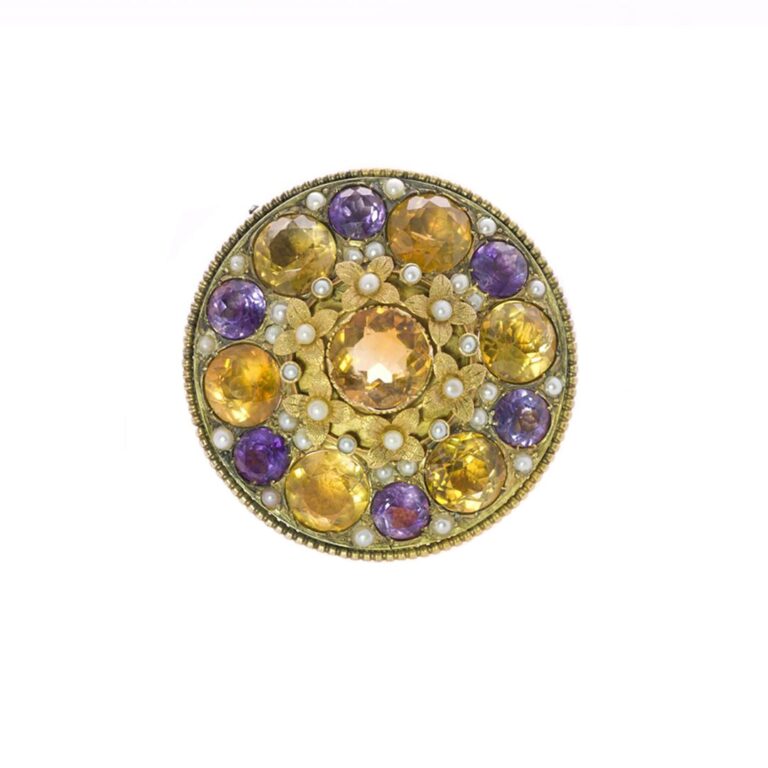
Who doesn’t have accessories that don’t get worn? The drawer full of statement necklaces that somehow look alluring in the store. The scarf collection that no longer matches anything. The bags that seem to work on the shopping floor but fail to meet the practical needs once taken out in the real world. An accessory collection that gets worn needs to come from a different mentality than what’s pretty at first glance or catches the buyer’s eye in the moment.
Assess What Gets Worn Before Adding
The first step in building is to determine what’s already made the cut. Pieces that show their face in outfits week after week reveal personal style better than anything hidden away in a jewelry box for good measure. These are the baseline items for the functional collection.
If dainty chains are worn time and again but chunky necklaces remain in the jewelry box, then that’s useful information. If small earrings appear each day but dangle ones have yet to make their appearance, then the decision is made. It’s better to work with what one is already doing instead of presenting aspirational items.
Less is More
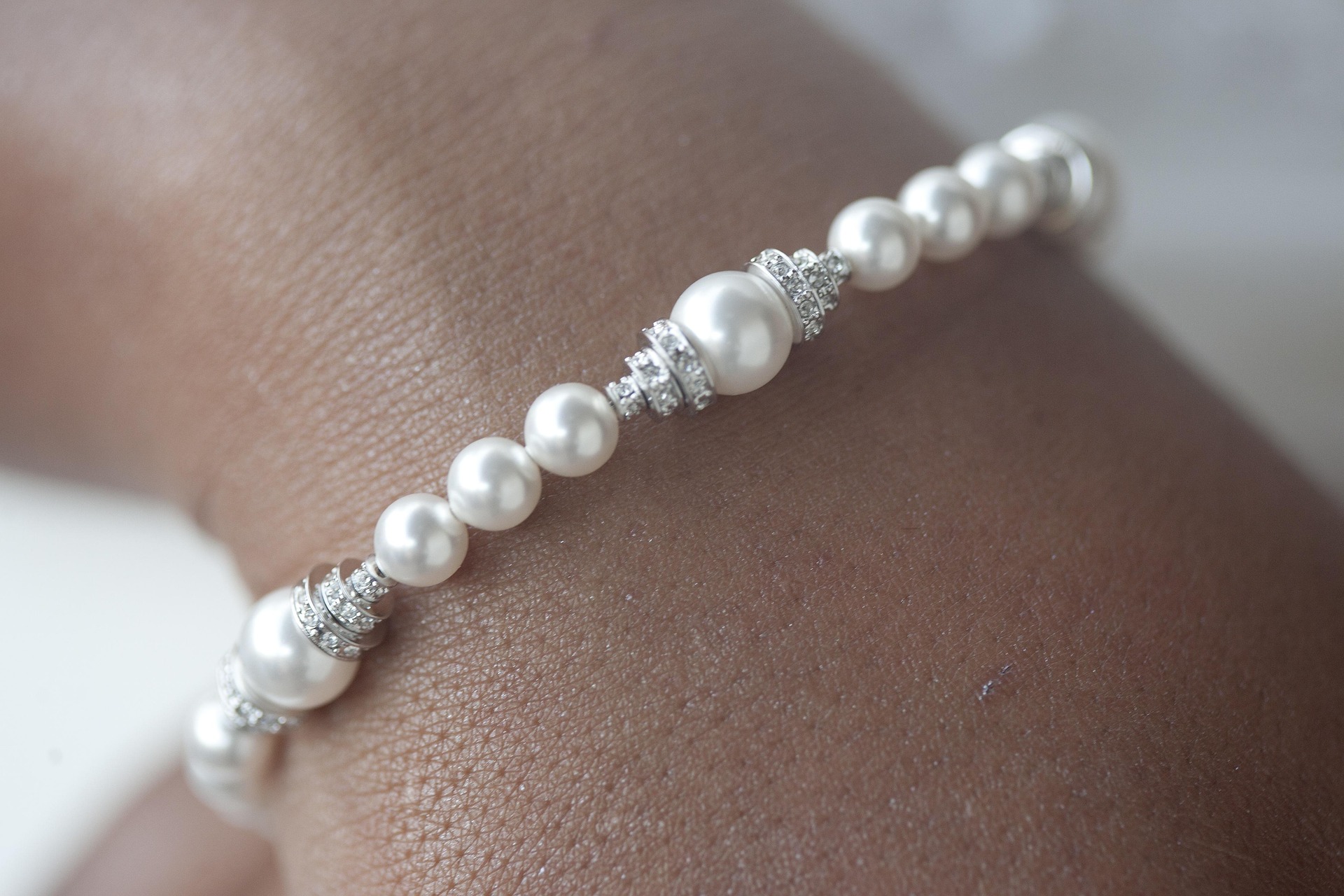
Fewer high-quality options work better than tons of cheap ones when it comes to accessories that get worn. A bag that’s made well works for years and looks decent the whole time. A bag that’s cheaply made falls apart after a month and never has a good impression. The same goes for jewelry. Pieces like Tennis Bracelets might be pricey at first, but once they’re acquired, they’re kept for seasons instead of continually having to be replaced.
Versatility Beats Uniqueness
An accessory that’s worn because it matches a specific outfit will not be worn again until that outfit is replicated. An accessory that’s versatile enough to go with everything in one’s closet—or most—will be worn tenfold more than one with personality alone. A simple watch can go with workout clothes and blazers alike. A parrot-shaped formation can get heavy use without being memorialized, unless one is a parrot lover and never wears a button-down.
It’s not that items need to be bland, per se; it’s that items that can be utilized in rotation frequently need neutral patterns and basic structures. Things that are dated or patterned for trend-specific relevance might not stand the test of time.
Per Wear Value Trumps Logic
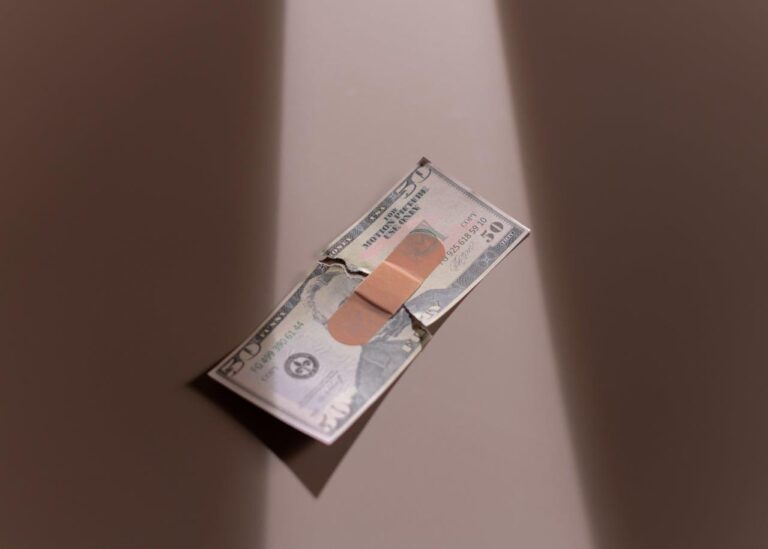
Pragmatically, too, per wear value comes into play. A 200-dollar bag used 1,000 times is more valuable than a 50 dollar bag used ten times. Therefore, buying quality makes more sense for a collection that must earn its keep.
Consider Your Lifestyle
Leather totes make sense for those commuting back to the office; oversized bags make sense for those working from home more casually who don’t have much to carry. Evening clutches make sense for those who attend galas weekly; for everyone else, they’re space fillers. An accessories collection based on what could happen in the future is unsafe; it should match life as it’s currently lived.
Comfort Matters
Even attractive accessories will remain unworn if uncomfortable. Heavy earrings get left behind; tight watches never see wrists; bags with no positioning leave people stranded with nowhere to put them. Therefore, it’s important to assess comfort before purchasing. If something isn’t comfortable even slightly in the store, it’s not going to become so over time.
Maintenance Should Be Minimal
Accessories that require constant maintenance hardly ever get worn because they present friction between owning something and actually using it. Silver that needs polishing all the time, delicate pieces that snag on everything, items that need special storage—all these make owning no fun. On the other hand, items with cool durability, designs that avoid catching on clothing and things that can be put on with little fuss are far more likely to get used time and again.
Start Small Then Build Up
Instead of random accumulation, starting from some core ideas will help create an easier-to-use collection once built. For pieces that work with most outfits, an easy go-to and something more neutral should be used; then build from there with supplementary options but avoid overlap.
A simple chain necklace, traditional watch, functional bag and go-to earrings can act as staples; then build from there instead of ten of the same idea while missing something crucial.
Avoid Impulse Buying
The accessories that get used usually come from a well thought out purchase instead of impulse buying. Allowing a day or so to pass before making impulse purchases helps determine if it’s something practical or just a temporary attraction. If it still seems usable down the road, then it’s worth it.
Impulse purchases usually come from trendiness rather than practicality and since they are in front of someone’s face at the time, they seem essential but fall flat once no longer attracted by shiny lights.
Assess Regularly
Even established collections need an assessment every once in awhile. What’s aged poorly? What no longer works? What’s transitioned out or new avenues pursued? Periodically assessing what’s been collected keeps things easier to manage when clutter isn’t hiding what’s hardly being used because it actually isn’t useful.
This doesn’t mean tossing everything aside that hasn’t been worn in six months; some pieces are sentimental or work for specific situations. But overall, if it’s been held onto for various reasons but hasn’t been worn because there’s guilt attached or somewhat vague purpose down the road, it’s probably best just to move on.
Prioritize What’s Used Daily
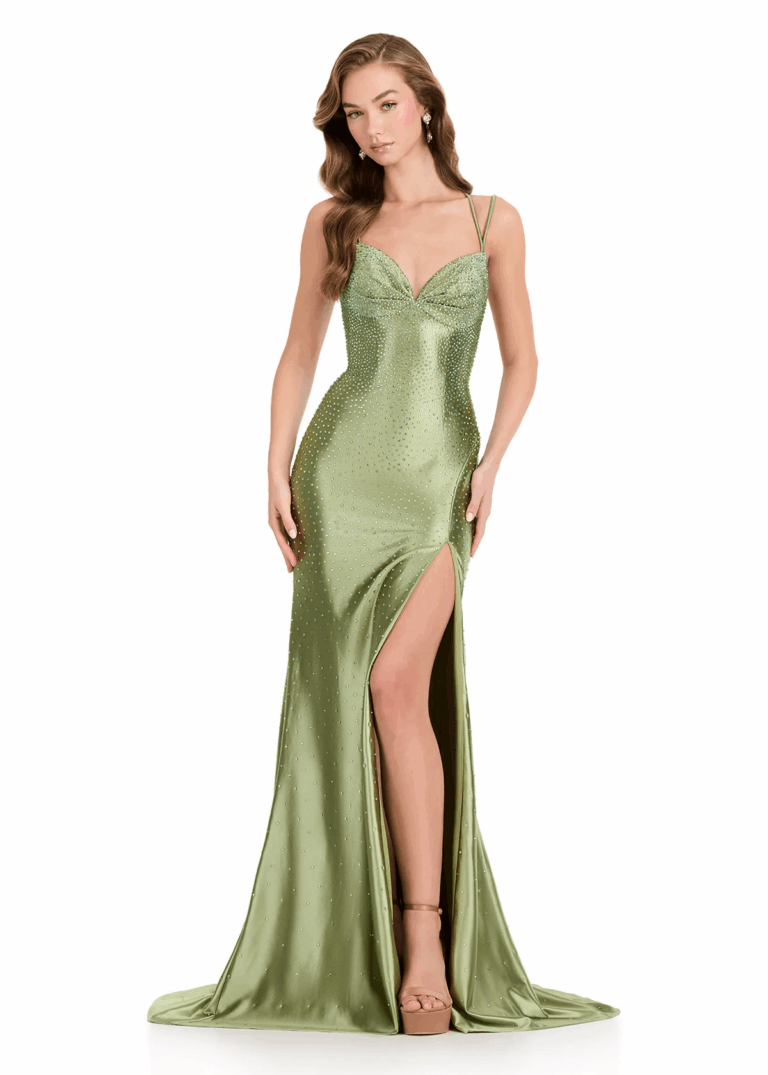
Special occasion accessories have value, sure, but those pieces that get worn day after day have even more power. These are the pieces that make someone feel better about themselves most often throughout time so without question or debate they should be purchased over things for events that rarely come along.
A good tote is taken out a thousand times a year; an evening clutch might get pulled out twice. Therefore, adjusting resources based on what’s used constantly vs what’s anticipated generates a collection worth holding onto for good measure since it’ll earn its keep well enough.