Fashion is often associated with new collections, changing trends, and seasonal shopping, but personal style does not have to depend on constantly buying new clothes. Many people already own garments that can be styled in different ways, combined with newer pieces, or adapted to changing occasions. The challenge is discovering these possibilities and learning how to make better use of what is already available. As conversations around sustainable fashion become more important, wardrobe planning and thoughtful styling are receiving greater attention.
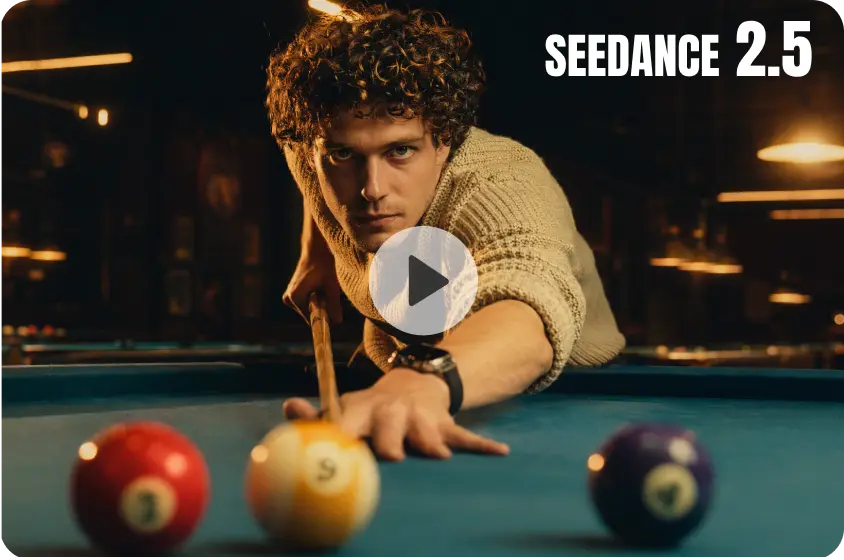
Digital platforms are adding another dimension to this shift. Fashion enthusiasts can now explore outfit combinations, preserve styling inspiration, and discover creative ways to present clothing through visual content. Tools such as Seedance 2.5 offer new possibilities for developing visual concepts and exploring fashion-related storytelling. These developments create opportunities for fashion publications to discuss not only what people wear but also how digital creativity can influence the way they understand and manage their wardrobes.
The future of fashion discovery may involve a stronger connection between personal collections, digital inspiration, and responsible purchasing decisions. Rather than treating every new trend as a reason to shop, consumers can use information and creative ideas to develop wardrobes that reflect their preferences while reducing unnecessary consumption.
Why Sustainable Fashion Begins With Understanding Your Wardrobe
Sustainable fashion is frequently discussed in terms of recycled materials, ethical production, and environmentally responsible brands. Although these subjects are important, everyday wardrobe decisions also play a significant role. The clothes people already own represent resources that can often be used more effectively through thoughtful styling and proper care.
A wardrobe assessment is a useful starting point. Instead of purchasing additional clothing immediately, individuals can identify which garments they wear regularly, which pieces have been forgotten, and which items could work with different combinations. Sometimes, a simple change in styling can make an old outfit feel completely different.
For example, a basic white shirt can be worn with tailored trousers for a professional appearance, paired with denim for a relaxed weekend outfit, or layered beneath a sleeveless dress for a different look. Similarly, a neutral jacket can complement several outfits across different seasons.
Understanding these possibilities helps people make more informed shopping decisions. When someone knows exactly what is missing from their wardrobe, they are less likely to purchase duplicate items or clothing that does not match their existing collection.
How Digital Fashion Archives Can Preserve Personal Style Inspiration
People regularly discover interesting outfits through magazines, fashion websites, social media, and everyday experiences. However, useful styling ideas can easily disappear among the large amount of content available online. Digital fashion archives offer a way to organize these ideas so they can be revisited when needed.
A personal archive does not need to be complicated. Someone might save photographs of preferred colour combinations, create collections for different seasons, or organize outfit references according to occasions. Over time, these collections can reveal consistent preferences and help individuals understand their personal style.
Fashion creators can also benefit from organized visual archives. Keeping references of previous campaigns, styling experiments, fabric combinations, and seasonal looks makes it easier to develop new content without repeating the same concepts.
Another advantage is the ability to compare changing trends with established personal preferences. A person might notice that oversized silhouettes repeatedly attract their attention, or that they prefer particular shades regardless of the season. Recognizing these patterns can make wardrobe decisions more intentional.
How Virtual Styling Ideas Can Reduce Unnecessary Fashion Purchases
One common reason people purchase unnecessary clothing is difficulty imagining how a particular item will work with what they already own. A garment may look attractive in a store or online advertisement, but its usefulness depends on whether it complements existing pieces and suits everyday requirements.
Virtual styling concepts can help address this challenge. By exploring different outfit combinations before shopping, individuals can think more carefully about colours, proportions, accessories, and overall appearance.
For example, someone considering a new pair of trousers could explore how that style might work with existing shirts, jackets, and footwear. This process encourages a more practical approach to purchasing decisions because the focus shifts from owning an attractive item to creating outfits that can actually be worn.
Fashion publications can make this idea more accessible by presenting styling examples based on versatile wardrobe essentials. Articles showing multiple ways to wear one garment provide readers with inspiration that remains useful beyond a particular trend cycle.
The Role of AI Video Generator Technology in Fashion Visualization

Fashion is a visual industry, and the way an outfit is presented can influence how audiences interpret its style, texture, and overall appearance. Traditional photography remains important, but digital creators are increasingly exploring additional ways to communicate fashion ideas.
An AI video generator can support creative planning by helping users explore visual concepts, develop scene ideas, and experiment with different presentation styles. For example, a fashion publisher preparing a feature about seasonal wardrobe essentials might explore visual concepts that communicate different styling moods before producing the final photographs or videos.
This technology can also support discussions around fashion history, changing silhouettes, and the evolution of clothing trends. Creative visual sequences may help publishers introduce historical references or explain how certain styles have developed over time.
However, visual accuracy matters. Generated fashion scenes should not be presented as genuine product demonstrations when they do not represent actual garments. Fabric texture, fit, colour, and construction can differ from real products, so fashion publishers should distinguish between conceptual imagery and authentic clothing photography.
Used responsibly, visual generation can support storytelling without replacing the practical information readers need when evaluating clothing.
Why Clothing Longevity Deserves More Attention
The environmental impact of fashion is not limited to the production of new garments. How long clothing remains useful, how frequently it is worn, and what happens when it is no longer needed are also important considerations.
Extending the life of existing clothing can begin with simple habits. Following washing instructions, avoiding unnecessary high-temperature washing, storing garments properly, and repairing minor damage can help preserve their condition.
Different fabrics require different care methods. Wool may need gentle handling, delicate materials can benefit from suitable washing practices, and denim often requires less frequent washing than some other garments. Understanding these differences helps prevent avoidable damage.
Repairing clothing is another useful habit. Replacing a missing button, fixing a loose seam, or adjusting a hem can restore the usefulness of a garment that might otherwise be discarded. For individuals interested in personalizing their wardrobes, small alterations can also make older pieces feel more suitable for current preferences.
These practices encourage people to evaluate clothing according to its usefulness and durability rather than treating it as disposable.
How Fashion Resale Is Changing the Way People Shop
Second-hand fashion has become an increasingly visible part of modern shopping. Resale platforms allow people to find pre-owned garments, discover distinctive pieces, and give clothing another opportunity to be worn.
For buyers, the appeal can include affordability, access to discontinued designs, and the possibility of finding items that are less common in mainstream stores. For sellers, resale offers a way to pass on clothing that no longer fits their lifestyle while recovering part of its original cost.
Successful second-hand shopping requires careful evaluation. Buyers should examine photographs, check measurements, understand the condition description, and review return policies before purchasing. Brand labels alone do not guarantee quality, and older garments may require additional care.
Fashion content creators can make resale more approachable by explaining how to evaluate pre-owned clothing, identify useful wardrobe staples, and style second-hand pieces with existing outfits. This kind of practical guidance helps readers view resale as a normal part of fashion rather than a temporary trend.
Building a Personal Style That Survives Changing Trends
Trends can introduce fresh ideas, but a strong personal style should not disappear whenever the fashion industry moves in another direction. Developing a recognizable approach to dressing involves understanding which shapes, colours, fabrics, and accessories genuinely suit individual preferences.
One useful method is to identify a few reliable outfit combinations. These might include tailored trousers with simple tops, relaxed denim with structured outerwear, or comfortable dresses with versatile footwear. Once these combinations are established, experimenting with new accessories or seasonal colours becomes easier.
It is also important to consider lifestyle. Clothing should suit daily activities, local weather, comfort requirements, and personal responsibilities. A wardrobe that looks attractive but remains impractical will rarely provide long-term satisfaction.
Fashion inspiration is most valuable when it encourages people to make choices that feel natural to them. Rather than reproducing every popular look, individuals can select the elements that complement their existing style and adapt them in their own way.
The Future of Digital Fashion and Responsible Style
Digital fashion experiences are likely to become more connected with wardrobe planning, online shopping, and creative publishing. Better visualization tools may help consumers explore styling possibilities before making purchases, while digital archives could make it easier to organize clothing inspiration and track personal preferences.
Fashion publishers may also experiment with more interactive educational content. Instead of simply presenting seasonal collections, they can explain how to create versatile outfits, care for different fabrics, identify quality construction, and make more thoughtful purchasing decisions.
However, technology alone cannot make fashion sustainable. Responsible production, fair working conditions, material choices, clothing longevity, and informed consumer behaviour remain essential. Digital creativity can help communicate these subjects, but meaningful change depends on decisions made by brands, retailers, and consumers.
The most useful development will be one that makes fashion more accessible while encouraging people to think carefully about what they buy and how they use it.
Conclusion
The relationship between digital creativity and sustainable fashion is opening new ways for people to discover personal style. Digital archives can preserve useful inspiration, virtual styling concepts can encourage better purchasing decisions, and creative video technology can make fashion education more engaging.
At the same time, the foundations of responsible style remain practical. Choosing versatile garments, taking proper care of clothing, exploring resale options, and understanding individual preferences can all help extend the value of a wardrobe.
Fashion does not have to mean constantly replacing what already exists. By combining thoughtful wardrobe management with modern digital inspiration, people can develop a more personal approach to dressing. The result is a fashion experience that places greater value on creativity, usefulness, and long-term style.
Frequently Asked Questions
1. What is sustainable fashion?
Sustainable fashion focuses on reducing the negative environmental and social effects associated with clothing production, purchasing, use, and disposal. It includes responsible materials, ethical production, clothing longevity, and more thoughtful consumption.
2. How can digital fashion archives help with wardrobe planning?
They allow people to organize outfit inspiration, save useful styling references, and identify patterns in their preferences. This can make it easier to combine existing garments and avoid unnecessary purchases.
3. Can virtual styling help reduce clothing waste?
Virtual styling can encourage people to explore outfit combinations before shopping. By understanding how a potential purchase fits into an existing wardrobe, consumers may make more considered decisions.
4. How can people make their clothes last longer?
Following care labels, storing garments correctly, repairing small damages, and choosing suitable washing methods can help preserve clothing. Regular maintenance also reduces the need for frequent replacement.
5. Is second-hand fashion a good option for building a wardrobe?
Yes. Second-hand shopping can provide access to affordable and distinctive garments while extending the useful life of existing clothing. Buyers should carefully check condition, measurements, and seller information.
6. What role can AI video tools play in fashion content?
They can help creators explore visual concepts, develop campaign ideas, and prepare creative presentations. Actual product details and garment demonstrations should still be verified using genuine visual references.