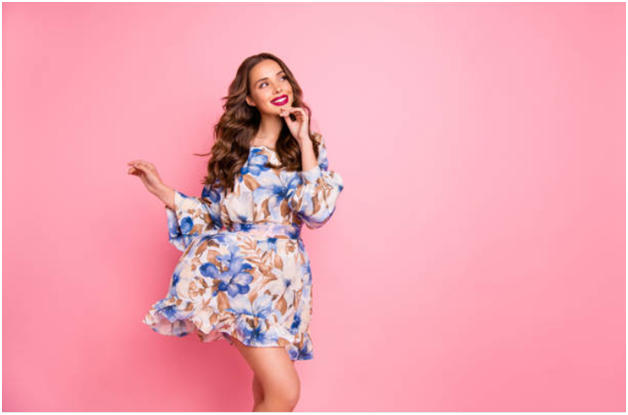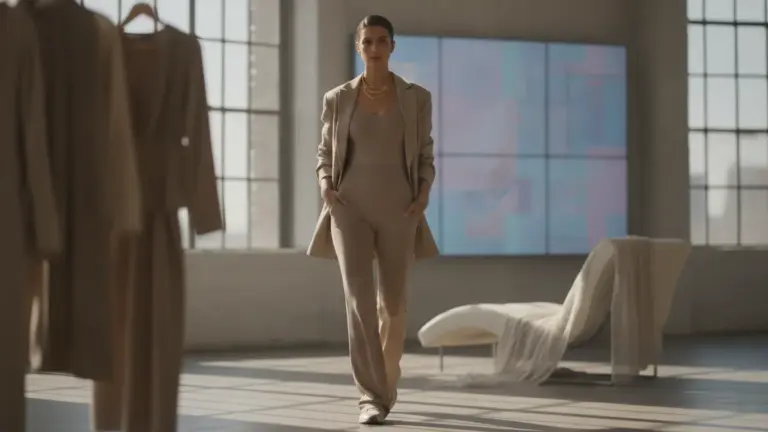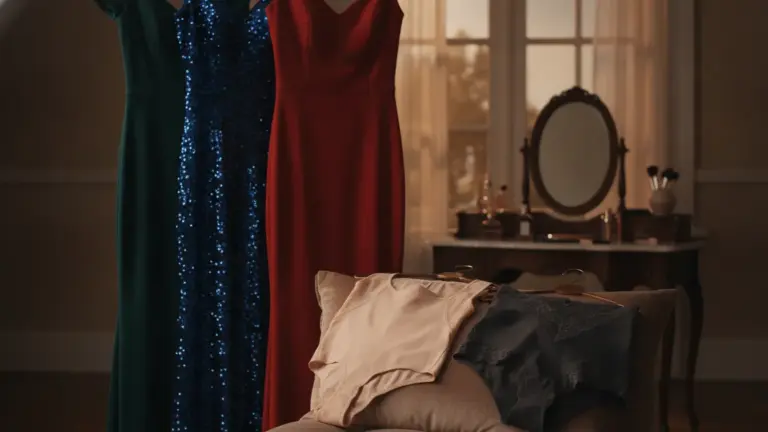
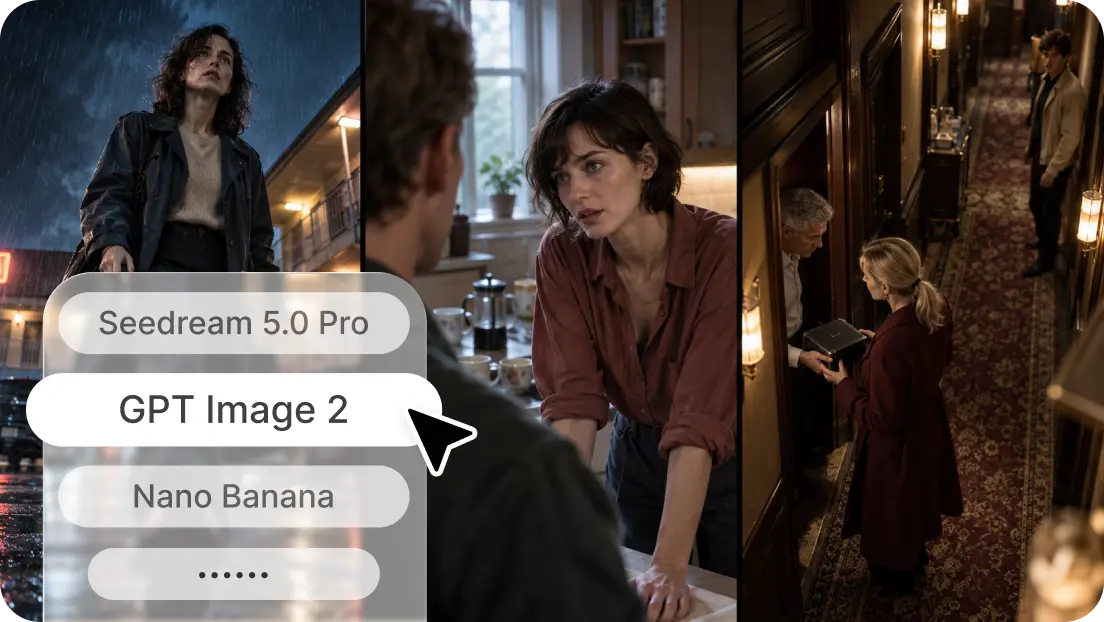
Fashion has always been closely connected to human identity. The clothes people choose can communicate confidence, creativity, cultural background, professional interests and even emotions without requiring a single spoken word. A carefully selected outfit may represent a personal milestone, while a particular colour or style can reflect how someone wants to feel on a specific day. In a world where personal images are shared across digital platforms, fashion has also become an important part of how individuals introduce themselves to others. This relationship between clothing and identity creates an interesting opportunity for visual storytelling, where an AI video generator can help creators explore the connection between personal expression, visual imagination and modern fashion culture.
The meaning of an outfit often goes beyond its individual pieces. A vintage jacket might communicate an appreciation for earlier fashion movements, while a carefully coordinated minimalist wardrobe may express a preference for simplicity and practicality. Even the way clothing is presented can influence how people interpret its meaning. Lighting, movement, background and visual composition can transform the same garment into different creative experiences. This is one reason fashion communication has gradually expanded beyond traditional photography. Moving images allow creators to build a visual atmosphere around clothing, helping audiences understand the personality and ideas associated with a particular style.
At the same time, digital culture is changing how people discover and experiment with fashion. Social platforms expose audiences to international trends, independent designers, alternative aesthetics and styling ideas that may not be available in their local surroundings. People can explore different appearances, compare visual influences and develop their own preferences before purchasing anything. For fashion publishers and creative professionals, this creates an opportunity to discuss not only what people wear, but also why certain styles attract them. Understanding this deeper relationship between fashion and identity can lead to more meaningful visual content and conversations about personal expression.
Clothing as a Language of Personal Identity
People communicate through fashion in ways that are often more subtle than they realise. The choice between formal tailoring and relaxed clothing, for example, can influence the impression someone creates in a professional or social environment. Accessories, footwear and colour combinations also contribute to this visual language.
However, personal style should not be reduced to fixed categories. Someone may prefer classic clothing during the working week but experiment with bold colours and unconventional silhouettes during their free time. These differences reflect the fact that identity is not static. People change their preferences as they experience new environments, relationships and stages of life.
Fashion content becomes more interesting when it recognises this complexity. Rather than telling everyone to adopt the same aesthetic, creators can explore how different clothing choices communicate different moods and personalities.
The Psychology Behind Colours, Textures and Visual Mood
Colour is one of the first elements people notice when looking at an outfit. Neutral shades can create a restrained appearance, while contrasting colours may attract attention and communicate energy. Yet the meaning of colour is not universal. Cultural background, personal experiences and the setting can influence how an individual responds to a particular combination.
Textures also contribute to the overall impression of clothing. Smooth fabrics, heavy knits, leather finishes and delicate embroidery each create a different visual experience. When these details appear in moving content, their relationship with light and motion becomes an important part of the presentation.
Fashion creators can use these elements to develop stronger visual narratives. A collection inspired by nature might use earthy colours, organic textures and outdoor settings, while a modern urban concept could explore sharper silhouettes and architectural backgrounds. The visual environment helps communicate the creative idea behind the clothing.
How Digital Storytelling Changes Fashion Interpretation
Traditional fashion photography often focuses on a carefully selected moment. A photograph can communicate shape, styling and detail, but it cannot always show how a garment interacts with movement or how a visual idea develops over time.
Video creates a different experience. A sequence can introduce an outfit gradually, reveal details through camera movement and connect clothing with a particular environment. The viewer is not simply looking at a finished appearance but following a visual story.
This approach is particularly useful for fashion publications discussing design inspiration, cultural influences and changing aesthetics. A video can introduce the background of a style movement, explore its visual characteristics and show how contemporary designers interpret its elements. Digital production makes it possible to experiment with these narratives before deciding which concepts deserve a full professional shoot.
The Influence of Digital Personas on Modern Fashion
Online platforms have created new ways for people to present themselves. Fashion influencers, digital creators and independent stylists develop recognisable visual identities through clothing, photography and consistent content themes.
Some creators build their presence around sustainable fashion, while others focus on streetwear, modest dressing, vintage clothing or luxury styling. Their audiences often follow them because they recognise a particular point of view rather than simply wanting to see new products.
Digital personas can also influence purchasing behaviour. When viewers repeatedly encounter a certain aesthetic, they may begin exploring similar clothing choices for themselves. This makes responsible fashion communication important. Creators should distinguish personal inspiration from sponsored recommendations and avoid presenting unrealistic appearances as requirements for confidence or social acceptance.
Reimagining Fashion Concepts Through AI-Assisted Video
Creative teams frequently begin with an idea that is difficult to communicate through words alone. A designer might imagine a collection inspired by changing seasons, an architectural structure or a particular cultural period. Before arranging a complete production, the team may want to explore different settings, lighting conditions and visual moods.
AI-assisted video production can support this early creative stage. Instead of immediately organising a location shoot, creators can experiment with visual concepts and compare possible directions. This can be useful when developing mood boards, preparing campaign references or presenting an idea to collaborators.
The technology should be treated as a creative aid rather than a replacement for fashion expertise. Designers still need to check that garments are represented accurately, styling choices make sense and the final visuals communicate the intended concept. A generated scene may suggest an interesting atmosphere, but actual clothing details should be verified through genuine product imagery and professional review.
Fashion, Cultural Memory and Changing Generations
Fashion is also a record of cultural history. Certain silhouettes, patterns and accessories become associated with particular decades, communities and social movements. Their influence continues through contemporary collections, where designers reinterpret older ideas using modern materials and styling techniques.
Younger audiences often discover these influences through digital content rather than traditional fashion archives. A short visual explanation can introduce the history behind a particular trend and show how its appearance has changed over time. This creates opportunities for fashion publishers to connect historical knowledge with contemporary style discussions.
Cultural context matters when presenting these stories. Clothing traditions should not be treated as interchangeable decorations, and references to specific communities deserve thoughtful explanation. Fashion becomes more meaningful when its visual appeal is accompanied by an understanding of the people and histories behind it.
Why Authenticity Matters in a World of Synthetic Visuals
As digital imagery becomes easier to produce, audiences need clearer distinctions between creative concepts and genuine product representation. A fictional fashion scene can be valuable as an artistic experiment, but it should not be presented as proof that a real garment has particular features or fits a certain way.
This distinction is important for online shopping, where customers depend on photographs and videos to understand materials, colours, proportions and construction. If digital alterations change these details, the content can create expectations that the actual product does not meet.
Fashion brands and publishers can protect audience trust by reviewing visual material carefully and being transparent when synthetic elements are relevant. Original photography, real garment demonstrations and accurate descriptions remain important parts of responsible fashion communication.
The Future of Fashion as a Visual Conversation
Fashion is moving through a period in which personal identity, digital creativity and cultural discussion increasingly overlap. People no longer discover style only through magazines, fashion shows or retail stores. They encounter ideas through short videos, creator communities, digital publications and conversations that cross international boundaries.
This development creates room for more thoughtful fashion content. Instead of concentrating entirely on the next popular item, publishers can explore why certain aesthetics emerge, how personal preferences develop and what clothing communicates about changing social values.
New video technologies may expand the ways these subjects are presented, but the strongest content will continue to depend on originality, cultural awareness and meaningful ideas. Visual innovation is most valuable when it helps audiences understand something they might otherwise overlook.
Conclusion
Fashion is more than a collection of garments and seasonal trends. It is a form of personal communication shaped by psychology, culture, memory and individual experience. As digital platforms continue to influence how people discover and express their style, visual storytelling offers new opportunities to explore these connections. AI-assisted video production can help creators experiment with creative concepts and develop engaging presentations, provided that authenticity and responsible representation remain priorities. The future of fashion communication will not simply be about producing more moving images. It will be about creating visual stories that help people understand identity, appreciate different perspectives and find their own meaning in the way they dress.