
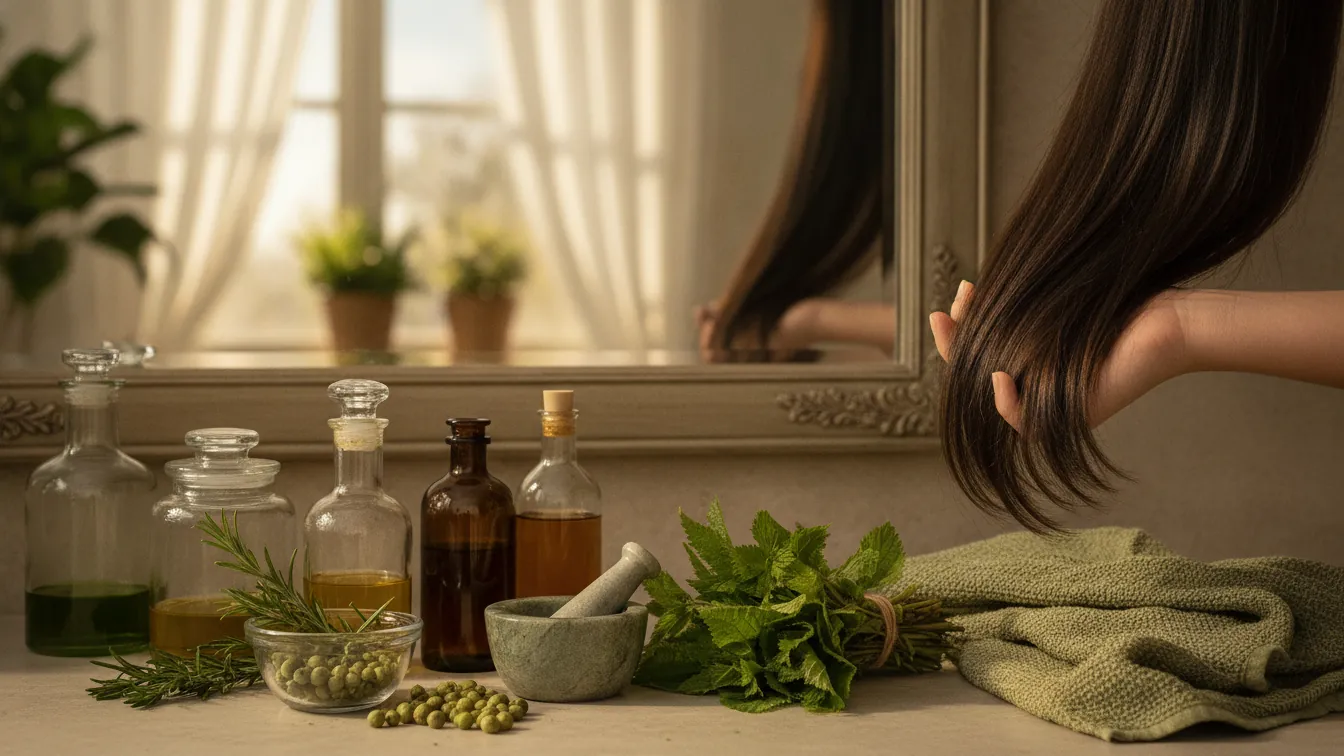
Hair fall can become noticeable when you are combing, braiding or shampooing your hair. The challenge here is that it is difficult to pinpoint the exact cause of the hair fall. Diet changes, prolonged periods of stress, scalp problems, frequent styling, and some health conditions may lead to increased hair loss. Hence, managing hair fall usually needs more than changing one product. Here are simple tips that can help you minimise unnecessary hair fall, care for your scalp and hair and develop a healthy hair-care routine.
Causes of Hair Fall
It is normal to lose between 50 and 150 strands of hair per day as part of the natural hair growth cycle, but noticeably increased hair fall can have several triggers. Common ones include:
- Hair damage: Hair breakage may be caused by frequent heat styling, chemical treatments, and tight hairstyles.
- Genetics: If hair loss is genetic, then hair thinning can be seen over time, which causes widening of the parting or a thinner hairline.
- Nutritional deficiencies: An inadequate amount of protein, iron, zinc, and other important nutrients may hinder hair growth, especially when following an unhealthy diet.
- Hormonal imbalances: Hair loss may also be caused by pregnancy, childbirth, thyroid disorders, menopause, and PCOS.
- Stress/illnesses: Significant stress, fever, surgery, or dramatic weight loss may lead to excessive shedding.
- Problems with the scalp: Dandruff, inflammation, and excess sebum production may lead to discomfort and excessive scratching.
The first step for a proper hair fall solution is figuring out what may have changed rather than treating every case as a shampoo problem.
Nourish Your Hair with the Right Diet
Your hair needs adequate nutrients to grow normally, so what you eat matters more than adding a long list of supplements to your routine. A balanced diet with enough protein, iron-rich foods, healthy fats, vitamins, and minerals supports overall hair health.
Try to include:
- Protein from eggs, dairy, fish, chicken, pulses, soy, or nuts.
- Iron-rich foods such as leafy greens, lentils, beans, meat, and fortified foods.
- Zinc sources, including seeds, legumes, dairy, and meat.
- Fruits and vegetables for a broad range of vitamins and antioxidants.
Avoid crash diets and very restrictive eating plans. If you have persistent shedding along with fatigue, weight changes, or other symptoms, speak to a doctor before taking iron, biotin, or other supplements. Testing can help identify an actual deficiency instead of guessing.
Follow Gentle Hair Care Habits
Everyday handling is important, especially if you notice breakage rather than hair shedding. This does not mean you cannot style your hair, but reducing repeated damage can keep strands stronger.
Follow these simple practices:
- Use low heat temperatures and avoid repeated straightening and curling.
- Conditioner should be applied to the ends to minimise friction.
- Detangle gently, especially when the hair is wet and prone to breaking.
- Avoid keeping very tight ponytails, buns, or braids for long periods.
- Do not vigorously rub wet hair with a towel.
These steps will not treat every cause of hair loss, but they can reduce avoidable breakage.
Use a Hair Fall Control Shampoo
A shampoo cannot fix every type of hair loss, but the right formula can support a healthier scalp and reduce factors such as dryness, buildup, or breakage. Look for an anti-hair fall shampoo that suits your scalp and can be used consistently without leaving the hair excessively dry.
Bare Anatomy Anti-Hair Fall Shampoo with Adenosine and Peptides is a sulphate-free formula designed to help reduce hair fall, strengthen weak strands, and improve the appearance of hair density. Its sulphate-free formulation is designed for regular cleansing without being harsh on the hair. Massage the shampoo gently into the scalp, rinse thoroughly, and follow with conditioner if your lengths need extra moisture.
Manage Stress for Healthier Hair
Stress does not always cause immediate hair fall. Significant physical or emotional stress can disrupt the hair-growth cycle, with increased shedding sometimes becoming noticeable several weeks or months after the stressful event.
That delay can make the connection easy to miss. Instead of relying on quick fixes, focus on habits that are realistic enough to maintain:
- Keep a reasonably regular sleep schedule.
- Make time for movement or exercise that you enjoy.
- Take short breaks during demanding work or study days.
- Avoid crash dieting during stressful periods.
Managing stress cannot guarantee that shedding will stop, but it can remove one possible trigger.
Common Mistakes To Avoid
Trying too many remedies at once can make hair fall care confusing and harder on the scalp.
- Over-oiling the scalp: More oil does not automatically mean healthier roots and can make buildup harder to manage.
- Washing too aggressively: Scrubbing hard or using very hot water can irritate the scalp and increase dryness.
- Chasing instant results: Hair grows slowly, so switching products every week makes it difficult to know what is helping.
- Ignoring persistent dandruff: Ongoing flaking, itching, or inflammation deserves attention.
- Treating breakage as hair loss: Short broken pieces usually suggest shaft damage, while root shedding looks different. Persistent hair fall needs an effective hair fall solution.
If shedding stays noticeably higher than usual, focus on identifying the cause instead of adding more products.
Conclusion
Healthier hair comes from the small things you do consistently. A balanced diet, gentle hair care, regular scalp cleansing, and better stress management can all support stronger strands over time. Adding a suitable hair fall control shampoo to this routine can help you care for both the scalp and hair. If your hair fall continues or you notice sudden thinning or patchy loss, getting it checked by a dermatologist can help you understand what your hair needs.