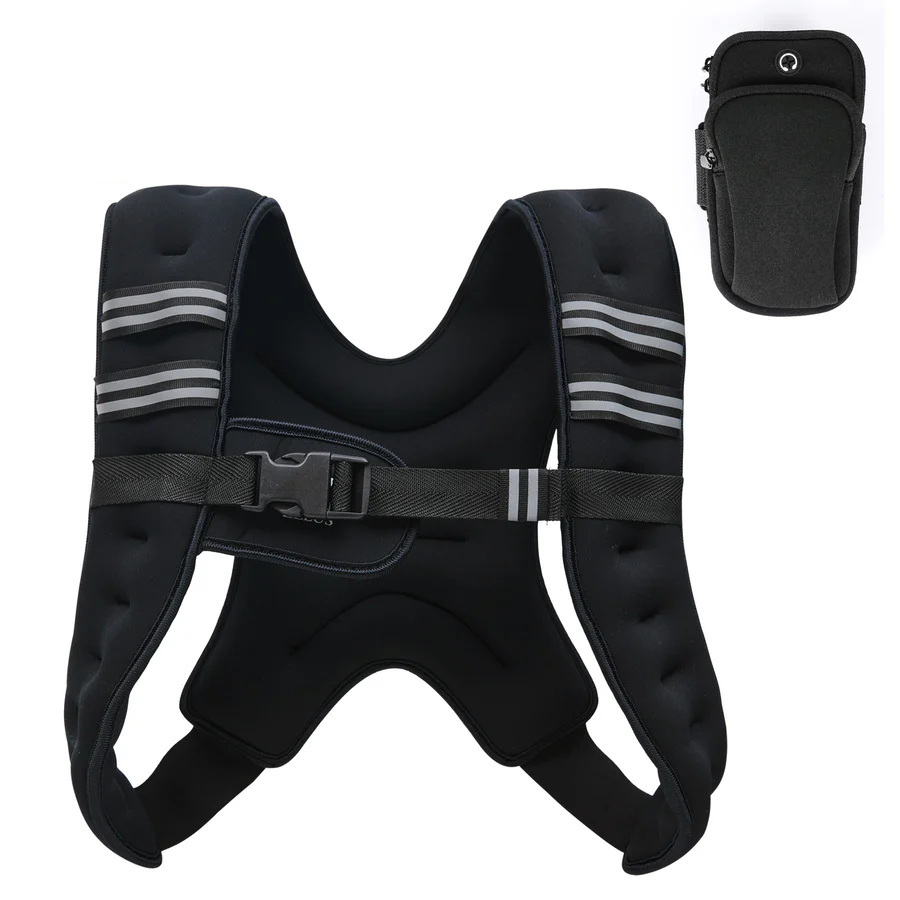
CrossFit has always been about pushing limits and building resilience through functional, high-intensity training. From box jumps to Olympic lifts, every workout of the day (WOD) challenges both the mind and body. One tool that has become increasingly popular among CrossFit athletes is the weighted vest. Once primarily used in military training, weighted vests have made their way into CrossFit boxes around the world, offering athletes a way to elevate performance, improve endurance, and prepare for benchmark workouts like Murph.
This article explores the role of weighted vests in CrossFit, why they have become a staple in functional training, and how to incorporate them safely and effectively to enhance your WOD performance.
Why Weighted Vests Belong in CrossFit
At its core, CrossFit is about functional fitness training that prepares athletes for real-life physical demands. Weighted vests align perfectly with this philosophy. Instead of isolating muscles or working with stationary machines, they add extra resistance to dynamic, compound movements.
Key reasons athletes use weighted vests in CrossFit include:
- Increased intensity: Even bodyweight exercises like push-ups, pull-ups, or air squats become more challenging with a vest.
- Cardiovascular conditioning: Running, rowing, or performing burpees with added weight improves aerobic and anaerobic capacity.
- Functional overload: Because the weight is evenly distributed across the torso, athletes train with resistance in a way that mimics real-world scenarios.
- Mental resilience: The psychological challenge of performing a WOD under additional load helps build grit, a hallmark of CrossFit culture.
When used consistently, a weighted vest becomes more than equipment it’s a training partner that forces athletes to adapt and grow.
The Murph Workout and Weighted Vests
No discussion of weighted vests in CrossFit is complete without mentioning Murph. This iconic Hero WOD honors Navy Lieutenant Michael Murphy and is often performed on Memorial Day in CrossFit communities across the United States.
The workout consists of:
- 1-mile run
- 100 pull-ups
- 200 push-ups
- 300 air squats
- 1-mile run
All of this is traditionally done while wearing a 20-pound weighted vest for men and a 14-pound weighted vest for women.
The weighted vest Murph workout has become a rite of passage for CrossFit athletes. It is physically grueling, but it also embodies the CrossFit ethos of sacrifice, perseverance, and community. Training with a weighted vest in regular WODs helps athletes prepare for Murph by building stamina, conditioning the body to handle extended workloads, and strengthening the mental discipline needed to complete such a demanding challenge.
Benefits of Weighted Vests in Functional Training
While Murph may be the most well-known example, the applications of weighted vests extend far beyond one workout. Incorporating a weighted vest for functional training can benefit athletes in multiple ways:
- Improved strength endurance
Repetition-based movements like wall balls, box step-ups, or lunges become significantly more taxing with added resistance, helping muscles adapt to sustained output. - Enhanced running performance
Running with a weighted vest improves cardiovascular conditioning and strengthens lower-body muscles. Once the vest is removed, athletes often feel lighter and faster. - Better bodyweight control
For movements like pull-ups and dips, training with a vest builds strength that transfers directly to bodyweight mastery. - Postural engagement
The even distribution of weight across the torso requires constant engagement of the core and back muscles, improving posture and stability. - Greater metabolic demand
Adding even 10–20 pounds can significantly increase calorie burn, making WODs more metabolically intense.
How to Incorporate Weighted Vests Into CrossFit WODs
Weighted vests can be integrated into nearly every aspect of CrossFit training. Here are some effective ways to use them:
- Warm-ups and skill work: Light jogging, dynamic stretches, or mobility drills with a vest can prime the body for harder sessions.
- Bodyweight exercises: Push-ups, pull-ups, air squats, burpees, and dips are classic movements to scale up with a vest.
- Running intervals: Short sprints or long-distance runs with a vest build stamina and explosive power.
- Benchmark WODs: Hero workouts like Murph, Cindy, and Angie become more challenging and rewarding when performed with a vest.
- MetCon circuits: Pairing a weighted vest with kettlebell swings, box jumps, or wall balls elevates intensity for conditioning sessions.
By mixing vests into various elements of training, athletes avoid stagnation and continually challenge their performance ceiling.
Choosing the Right Weighted Vest for CrossFit
Not all weighted vests are created equal. When selecting one for CrossFit, consider the following factors:
- Fit and comfort: A snug, adjustable fit prevents the vest from bouncing during runs or high-intensity movements.
- Weight options: Most CrossFit vests allow removable plates or sandbags, enabling athletes to adjust loads based on workout requirements.
- Breathability: A well-ventilated design prevents overheating during longer sessions.
- Durability: Given the intensity of CrossFit, choose vests made from reinforced, abrasion-resistant materials.
- Range of motion: Ensure the vest does not restrict arm or shoulder movement, especially for pull-ups and overhead lifts.
Investing in the right vest ensures safety and maximizes performance benefits.
Safety Considerations for Weighted Vest Training
As effective as weighted vests can be, improper use may lead to injury. Keep these safety tips in mind:
- Start light: Begin with 5–10 pounds before progressing to heavier loads.
- Prioritize form: Never sacrifice technique for added resistance.
- Limit frequency: Using a vest too often can lead to overtraining; balance sessions with recovery days.
- Listen to your body: Sharp pain, joint discomfort, or excessive fatigue are signs to scale back.
- Consult a coach: Especially for beginners, guidance from a CrossFit coach ensures safe integration.
The goal is to enhance performance, not compromise recovery.
Programming Weighted Vests Into Your Routine
Here are examples of how to structure weighted vest training into weekly CrossFit programming:
- Strength and skill days: Add the vest for accessory work like pull-ups, dips, or core exercises.
- Conditioning days: Use the vest during MetCon circuits with running, burpees, or wall balls.
- Benchmark prep: Incorporate the vest into shortened versions of Hero workouts to prepare for Murph.
- Active recovery days: Go for a long walk or hike with a light vest to build endurance without high impact.
Balancing weighted vest sessions with traditional lifting and cardio ensures well-rounded development.
The Mental Edge of Weighted Vest Training
CrossFit is as much mental as it is physical. Training with a weighted vest adds a unique psychological challenge. Knowing you are carrying extra resistance forces you to dig deeper, pace smarter, and stay mentally resilient throughout a WOD.
Athletes who regularly use weighted vests often report feeling stronger and more confident once the vest is removed, as workouts without added resistance feel comparatively lighter and more manageable. This mental edge carries over into competitions and benchmark tests, where confidence can make the difference between finishing strong and burning out early.
Conclusion
Weighted vests have carved out an essential role in CrossFit, bridging the gap between traditional strength training and bodyweight conditioning. From preparing for the Murph workout to enhancing everyday WODs, they offer a versatile, functional, and mentally challenging way to train.
By starting light, progressing safely, and choosing the right vest for your needs, you can unlock new levels of performance and resilience. In the world of CrossFit, where every rep counts and every WOD is a test of will, a weighted vest is more than just gear it’s a tool that enhances both body and mind.