Quick answer: A minimalist wardrobe is a curated collection of versatile, high-quality clothing items that can be mixed and matched to create multiple outfits, focusing on simplicity and functionality.
Creating a minimalist wardrobe can transform your approach to fashion, making getting dressed each day simpler and more enjoyable. A minimalist wardrobe focuses on quality over quantity, featuring versatile pieces that can be mixed and matched effortlessly.
By embracing a minimalist wardrobe, you can reduce clutter, save time, and still express your personal style. The key is to choose timeless, well-made items that reflect your lifestyle and preferences, rather than following fleeting trends.
Key takeaways
- Focus on versatile, timeless pieces
- Prioritize quality over quantity
- Choose a neutral color palette
- Regularly declutter and assess your needs
- Invest in well-made essentials
How do I start building a minimalist wardrobe?
What are the key elements of a minimalist wardrobe?
A minimalist wardrobe is more than just a trend; it’s a thoughtful approach to dressing that emphasizes quality, versatility, and simplicity. The key elements of a minimalist wardrobe revolve around creating a curated collection of clothing that can be mixed and matched effortlessly, reducing decision fatigue and promoting a clutter-free lifestyle. Here are the essential components to consider when building your minimalist wardrobe:
Quality Over Quantity: The foundation of a minimalist wardrobe is investing in high-quality pieces that are durable and timeless. This means opting for well-made garments that will withstand the test of time, both in terms of style and construction. Look for natural fibers like cotton, linen, and wool, which are not only sustainable but also tend to age gracefully.
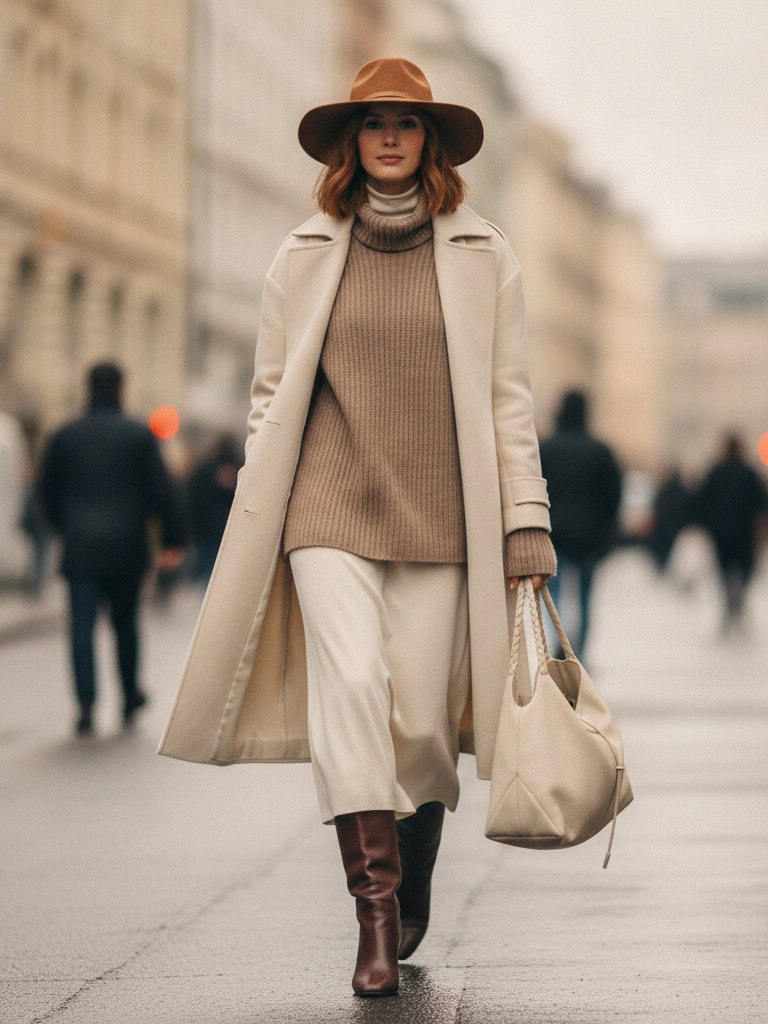
Neutral Color Palette: A minimalist wardrobe typically features a neutral color palette, including shades like black, white, gray, navy, and beige. These colors are easy to mix and match, allowing for maximum versatility. While you can incorporate a few accent colors, sticking to a primarily neutral palette ensures that each piece can be easily paired with others.
Versatile Silhouettes: Choose clothing items with simple, classic silhouettes that can be dressed up or down. This might include a well-fitted pair of jeans, a tailored blazer, a little black dress, and a few basic t-shirts. The idea is to have pieces that can transition seamlessly from day to night and from casual to formal settings.
- Classic Staples: These are the backbone of your wardrobe. Think white button-down shirts, black trousers, and trench coats.
- Layering Pieces: Cardigans, sweaters, and lightweight jackets that can be layered for different looks and seasons.
- Footwear: A couple of pairs of versatile shoes, such as white sneakers, black ankle boots, and nude flats.
- Accessories: Simple, elegant accessories like a classic watch, a few delicate necklaces, and a structured handbag.
To further illustrate the versatility of a minimalist wardrobe, consider the following table that outlines how a few key pieces can be combined to create multiple outfits:
| Item | Outfit 1 | Outfit 2 | Outfit 3 |
|---|---|---|---|
| White Button-Down | With jeans and sneakers | Under a sweater with trousers | Tied at the waist with a skirt |
| Little Black Dress | With ankle boots and a blazer | With sneakers and a denim jacket | With heels and statement earrings |
| Gray Sweater | Over a dress with boots | With jeans and loafers | With leggings and flats |
By focusing on these key elements, you can build a minimalist wardrobe that is both functional and stylish, making getting dressed each day a breeze.
How can I declutter my current wardrobe to achieve a minimalist style?
How can I declutter my current wardrobe to achieve a minimalist style?
Embarking on a journey towards a minimalist wardrobe can be both liberating and transformative. The first step is to declutter your current wardrobe, which involves a thoughtful evaluation of your clothing items to ensure that each piece serves a purpose and brings you joy. Here’s how you can get started:
Begin by emptying your entire wardrobe and sorting your clothes into categories such as tops, bottoms, dresses, outerwear, and accessories. This will give you a clear overview of what you own and help you identify duplicates or items you no longer need. As you sort, ask yourself key questions about each piece: Does it fit well? Is it comfortable? Does it reflect my personal style? When was the last time I wore it? If you haven’t worn an item in over a year, it’s likely time to let it go.
Next, consider the versatility and functionality of each garment. A minimalist wardrobe thrives on pieces that can be easily mixed and matched to create multiple outfits. Look for items that are timeless, classic, and can be dressed up or down depending on the occasion. For example, a well-fitted white shirt, a pair of dark jeans, and a neutral blazer are staples that can be styled in numerous ways. If you find items that don’t fit this criteria, consider donating or repurposing them.
To further streamline your wardrobe, focus on quality over quantity. Invest in well-made pieces that will last longer and withstand the test of time. This doesn’t mean you have to break the bank; rather, prioritize durability and craftsmanship. A compact table can help you evaluate your clothing based on these factors:
| Factor | Description |
|---|---|
| Fit | Ensures comfort and flatters your body shape |
| Versatility | Can be worn in multiple settings and styled in various ways |
| Quality | Made from durable materials and well-constructed |
| Personal Style | Reflects your individual taste and makes you feel confident |
Finally, organize your newly decluttered wardrobe in a way that makes it easy to see and access your clothes. Use storage solutions like shelves, baskets, or dividers to keep items tidy and visible. This will not only make getting dressed in the morning easier but also help you appreciate the clothes you have. Here are some quick tips to keep in mind:
- Store off-season clothing separately to reduce clutter.
- Hang frequently worn items at eye level for easy access.
- Use drawer dividers to keep smaller items organized.
- Regularly reassess your wardrobe to maintain a minimalist approach.
By following these steps, you’ll be well on your way to achieving a minimalist wardrobe that is both functional and stylish.
What are some essential items for a minimalist wardrobe?
What are some essential items for a minimalist wardrobe?
Creating a minimalist wardrobe is all about curating a collection of versatile, high-quality pieces that can be mixed and matched effortlessly. The goal is to have a closet filled with items that you truly love and wear frequently, rather than accumulating a large number of clothes that rarely see the light of day. Here are some essential items to consider when building your minimalist wardrobe:
First and foremost, invest in a few well-fitted basic tops. These can include simple t-shirts, classic button-down shirts, and lightweight sweaters. Opt for neutral colors like white, black, gray, and navy, as these can easily be paired with other pieces in your wardrobe. The idea is to have tops that can be dressed up or down depending on the occasion.
Next, consider incorporating a few staple bottoms. A pair of well-fitted jeans, a classic black pant, and a versatile skirt are excellent choices. These pieces should be comfortable and suitable for various settings, whether you’re heading to the office or going out for a casual brunch. The key is to choose cuts and styles that flatter your body type and make you feel confident.
For outerwear, a tailored blazer and a trench coat are must-haves. These items can instantly elevate any outfit and provide an extra layer of warmth and style during transitional weather. A leather or faux leather jacket can also be a great addition for a more edgy look.
When it comes to footwear, a pair of white sneakers, black ankle boots, and simple flats should cover most of your needs. These shoes are comfortable, stylish, and can be worn with a variety of outfits. Additionally, a pair of elegant heels can be useful for more formal events.
Finally, don’t forget to include some basic accessories that can complement your outfits. A few key pieces include:
- A classic watch
- Simple stud earrings
- A versatile scarf
- A quality leather belt
To help you visualize the essentials, here’s a quick comparison of the items discussed:
| Category | Item | Characteristics |
|---|---|---|
| Tops | Basic tees, button-downs, sweaters | Neutral colors, versatile |
| Bottoms | Jeans, black pants, skirt | Fitted, suitable for various occasions |
| Outerwear | Blazer, trench coat, leather jacket | Stylish, functional |
| Footwear | White sneakers, black ankle boots, flats, heels | Comfortable, versatile |
| Accessories | Watch, earrings, scarf, belt | Simple, complementary |
By focusing on these essential items, you can build a minimalist wardrobe that is both functional and stylish, making getting dressed a breeze every day.
How do I maintain a minimalist wardrobe over time?
How do I maintain a minimalist wardrobe over time?
Maintaining a minimalist wardrobe is all about making intentional choices and keeping your closet streamlined. Here are some practical tips to help you sustain your minimalist wardrobe over time:
First, regularly assess your clothing. Set aside time every season to go through your wardrobe and evaluate each piece. Ask yourself if you’ve worn it in the past few months and if it still aligns with your style and needs. This practice helps you identify items that may no longer serve you, allowing you to donate, sell, or repurpose them. By consistently curating your closet, you ensure that it remains functional and reflective of your current lifestyle.
Next, adopt a “one in, one out” policy. For every new item you bring into your wardrobe, consider removing an old one. This approach prevents clutter from accumulating and encourages you to think carefully about each new purchase. It also helps you maintain a balanced and cohesive collection of clothing that you truly love and wear often.
Another key aspect of maintaining a minimalist wardrobe is investing in quality over quantity. Choose versatile, well-made pieces that can withstand the test of time, both in terms of style and durability. While these items may be more expensive upfront, they often save you money in the long run because you won’t need to replace them as frequently. Focus on timeless styles and neutral colors that can be easily mixed and matched.
To further simplify your wardrobe maintenance, consider the following tips:
- Organize by category: Group similar items together (e.g., tops, bottoms, dresses) to make it easier to see what you have and identify any gaps.
- Use uniform hangers: This creates a visually appealing and organized closet, making it easier to keep track of your clothing.
- Store off-season items: Keep out-of-season clothing in storage to free up space and reduce visual clutter.
- Limit accessories: Apply the same minimalist principles to your accessories, choosing a few versatile pieces that complement your outfits.
Finally, embrace the concept of “less is more.” Remember that a minimalist wardrobe is not about deprivation but about owning fewer, better things that bring you joy and serve your needs. By focusing on quality, versatility, and intentionality, you can maintain a wardrobe that is both stylish and sustainable.
| Aspect | Consideration |
|---|---|
| Quality | Invest in durable, well-made pieces |
| Versatility | Choose items that can be mixed and matched |
| Intentionality | Make conscious decisions about what to keep and buy |
| Organization | Keep your closet tidy and clutter-free |
Can a minimalist wardrobe be stylish and personal?
Frequently asked questions
What is a minimalist wardrobe?
A minimalist wardrobe is a collection of versatile, high-quality clothing items that can be mixed and matched to create multiple outfits, focusing on simplicity and functionality.
How many pieces should be in a minimalist wardrobe?
There is no strict number, but a minimalist wardrobe typically includes 20-40 versatile pieces that suit your lifestyle and personal style.
What colors should I include in a minimalist wardrobe?
A neutral color palette is often recommended for a minimalist wardrobe, including black, white, gray, navy, and beige, but you can add accent colors that reflect your personal taste.
How do I choose quality pieces for my minimalist wardrobe?
Look for well-made garments with durable fabrics, good stitching, and classic designs. Consider investing in higher-end brands or ethical fashion labels that prioritize quality.
Can I include patterns in a minimalist wardrobe?
Yes, subtle patterns like stripes, checks, or simple prints can be included in a minimalist wardrobe, but they should be versatile and complement your neutral basics.
How do I avoid accumulating too much in my minimalist wardrobe?
Regularly assess your wardrobe, declutter regularly, and adopt a one-in-one-out policy to maintain balance and ensure every piece serves a purpose.