Your everyday bag should earn its place through comfort and usefulness, not a recognizable logo or a trending shape. That doesn’t mean settling for something dull. It means treating style as one requirement among several, rather than letting a beautiful exterior excuse a bag that makes ordinary errands harder.
A bag can look perfect with your coat and still be wrong for your day. If the opening catches your hand, the strap slides off your shoulder, or your keys disappear beneath everything else, its appeal wears thin. Those small annoyances deserve more attention before you buy.
Start With What You Actually Carry
Choose the contents before choosing the bag. Lay out your usual essentials, including the less photogenic ones: glasses case, medication pouch, reusable shopping bag, and whatever else regularly leaves home with you. Your real belongings are a better sizing guide than a styled product photograph.
Be honest about occasional extras, too. A paperback you carry every morning counts; a laptop you take out twice a year probably shouldn’t dictate your daily handbag. Buying for every possible scenario often leaves you carrying more bag than you need.
Organization Should Reduce Effort
More pockets don’t automatically mean better organization. A useful interior gives important items predictable homes without turning the search for lip balm into a compartment-by-compartment inspection. You should be able to understand the layout at a glance.
Look for features that solve your particular frustrations:
- A secure pocket for keys or a transit card.
- An opening wide enough to see the bottom.
- A separate sleeve if you regularly carry a tablet.
- Enough space to remove your wallet without unloading everything.
A large, undivided tote can work beautifully if you prefer pouches. It’s less convincing if you already know that loose interiors frustrate you. Neither design is inherently superior; the right choice makes your existing routine easier rather than demanding a new one.
Comfort Is Part of the Design
An empty bag tells you very little about how it will feel after an afternoon outside. Where a store permits, try it with your usual belongings inside. Walk a few steps, reach into it, and notice whether you instinctively adjust the strap.
A narrow strap may feel uncomfortable with a heavier load, while a wider one can spread contact across more of your shoulder. Placement matters, too. A crossbody that repeatedly bumps your hip is not improved by being hands-free.
Judge the Bag, Not the Badge
A bag from Dooney & Bourke deserves the same practical scrutiny as any other handbag: check its empty weight, opening, strap adjustment, and interior layout before deciding whether it suits you. Brand familiarity can help you narrow the search, but it can’t tell you how a particular design will behave on your body.
Price is no substitute for that inspection either. Look closely at stitching, zipper movement, and handle attachments. These details don’t promise a specific lifespan, but they give you something tangible to assess beyond the name on the front.
Choose Texture With Your Routine in Mind
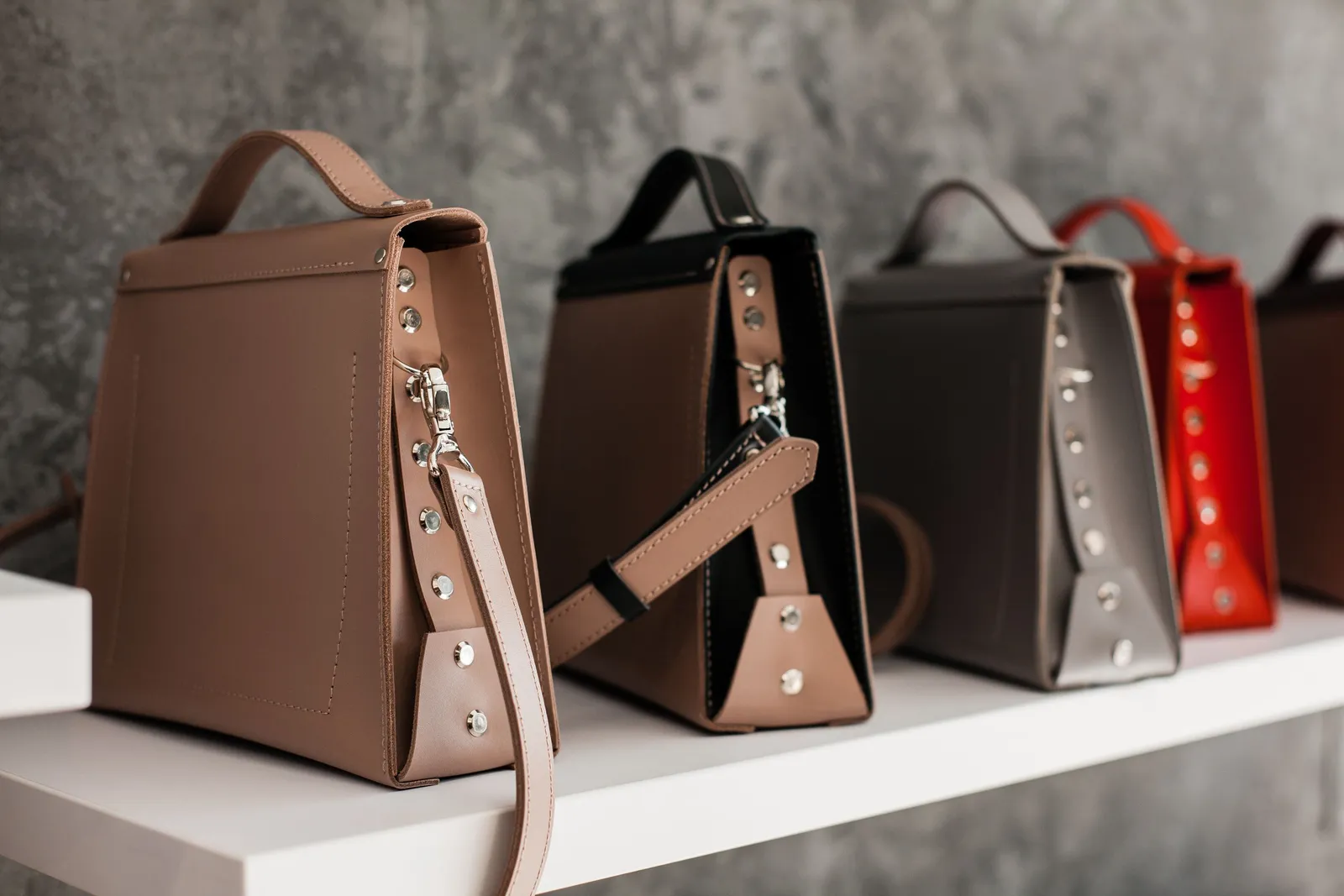
Material changes both the look and the upkeep. Pebbled leather has a textured surface; smooth leather offers a cleaner, more uniform appearance. Neither description alone tells you whether a bag will resist scratches or tolerate rain. Finish and construction matter.
Read the care instructions before committing. Leather conditioner isn’t a universal solution, and suede generally needs different care from finished leather. If you dislike maintenance, a bag with demanding cleaning requirements is an awkward purchase, however attractive it looks on the shelf.
Give Color a Practical Job
Neutral doesn’t have to mean black. Burgundy, navy, tan, or olive may work more naturally with the clothes you already wear. Check the bag against your usual outerwear and shoes rather than an imagined future wardrobe.
If a bright bag makes your everyday outfits feel more like you, choose it. Just keep your practical standards intact. Before removing the tags, pack it, put on your usual jacket, and practice getting your phone out. That ordinary movement can reveal more than another look in the mirror.