Quick answer: To transition your wardrobe from summer to fall, start by layering lightweight pieces with warmer ones, incorporate autumnal colors, and add accessories like scarves and boots.
As the seasons change, so does our approach to fashion. The “seasonal transition” from summer to fall can be both exciting and challenging. It’s a time to embrace new textures, layers, and colors while still holding onto the ease of summer styles.
Transitioning your wardrobe doesn’t have to be daunting. With a few key pieces and some clever styling tricks, you can seamlessly move from the warmth of summer to the crispness of fall. Here’s how to make the shift effortlessly.
Key takeaways
- Layer light summer pieces with warmer fall items
- Incorporate autumnal colors like burgundy, olive, and mustard
- Invest in versatile staples like cardigans and denim jackets
- Add texture with knitwear, corduroy, and suede
- Don’t forget about transitional footwear like ankle boots
How can I layer for the seasonal transition?
How can I layer for the seasonal transition?
Transitioning your wardrobe from summer to fall can be both fun and functional when you focus on layering. This approach not only helps you adapt to fluctuating temperatures but also allows you to creatively mix and match your existing pieces. Here’s how you can layer effectively for the seasonal shift:
Start with lightweight, breathable fabrics as your base layer. Think of your favorite summer staples like cotton tees, tank tops, and linen shirts. These items are perfect for the warmer daytime temperatures but can easily be layered with additional pieces as the day cools down. For instance, a lightweight, long-sleeve blouse can be worn over a tank top, providing an extra layer of warmth without adding bulk.
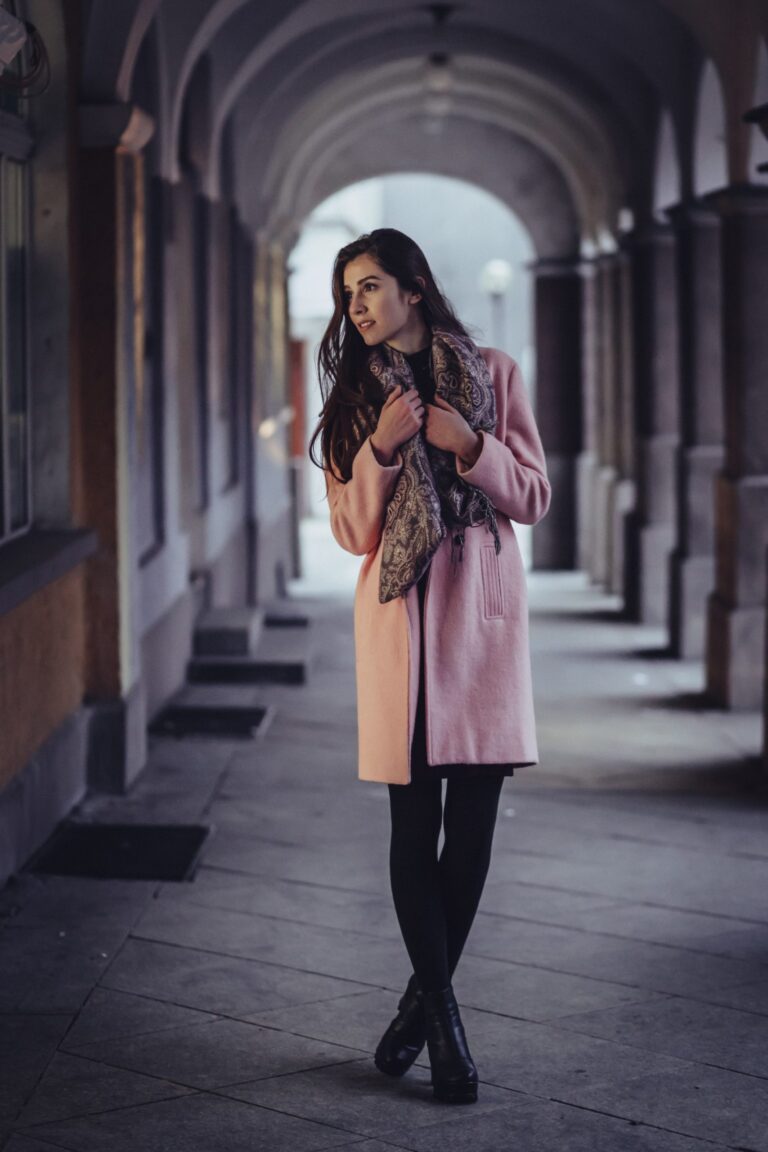
Next, incorporate transitional pieces that can be added or removed as needed. Cardigans, light sweaters, and denim or leather jackets are excellent choices. These items can be easily tied around your waist or draped over your shoulders during the day and then put on when the temperature drops in the evening. A classic trench coat is another versatile option that works well for layering, offering both style and protection against light rain or wind.
Don’t forget about bottoms. Transition your summer skirts and dresses by pairing them with tights or leggings. This simple addition can significantly extend the wearability of your summer wardrobe into the fall. For pants, consider swapping out your lightweight summer trousers for slightly heavier fabrics like cotton or corduroy.
When it comes to footwear, opt for closed-toe shoes like ankle boots or loafers. These can be paired with socks for added warmth. If you’re not ready to let go of your sandals, try wearing them with ankle socks for a trendy, transitional look.
Here are some key layering pieces to consider:
- Tank tops and tees: Perfect for layering under blouses and sweaters.
- Light sweaters and cardigans: Ideal for adding warmth without bulk.
- Denim or leather jackets: Great for a stylish, edgy look.
- Trench coats: Offers a classic, polished appearance with added protection.
- Tights and leggings: Extend the life of your summer skirts and dresses.
To help you visualize the transition, here’s a quick comparison of summer and fall layering:
| Category | Summer | Fall |
|---|---|---|
| Fabrics | Lightweight, breathable | Medium weight, slightly heavier |
| Layers | Minimal | Multiple |
| Footwear | Sandals, open-toe shoes | Closed-toe shoes, boots |
| Accessories | Sun hats, sunglasses | Scarves, beanies |
By thoughtfully layering your clothing, you can smoothly transition your wardrobe from summer to fall, ensuring you stay comfortable and stylish throughout the changing seasons.
What colors are best for transitioning from summer to fall?
What colors are best for transitioning from summer to fall?
As the seasons shift from summer to fall, so too should your color palette. Transitioning your wardrobe with the right colors can make the process both stylish and seamless. The key is to blend the warm, rich tones of autumn with the lighter, brighter hues of summer. This balance ensures that your outfits remain seasonally appropriate while still feeling fresh and versatile.
One of the best ways to transition your wardrobe is by incorporating earthy tones. Colors like olive green, mustard yellow, and burnt orange are quintessential fall shades that can be easily mixed with summer staples. These colors not only evoke the feeling of autumn but also complement the warm, golden tones of late summer. For instance, a mustard yellow sweater paired with white jeans can create a perfect transitional outfit.
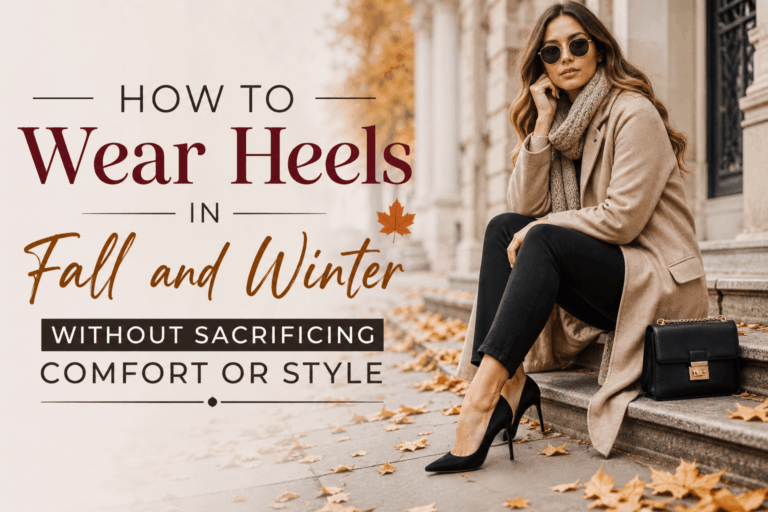
Neutral colors also play a crucial role in bridging the gap between summer and fall. Shades like camel, beige, and taupe are timeless and can be effortlessly layered with both summer and fall pieces. A camel coat or a beige scarf can add warmth and texture to your outfit without feeling too heavy. Additionally, these neutrals provide a perfect backdrop for statement accessories, allowing you to experiment with bolder choices.
Don’t shy away from incorporating some of summer’s lighter colors into your fall wardrobe. Soft pinks, light blues, and pastels can be surprisingly versatile when paired with darker, richer tones. For example, a pastel pink blouse can be layered under a dark denim jacket or paired with a charcoal skirt for a chic, transitional look.
To help you visualize the perfect color combinations, here’s a simple table that outlines some key transitional colors and how they can be paired:
| Summer Color | Fall Color | Pairing Example |
|---|---|---|
| White | Olive Green | White jeans with an olive green sweater |
| Soft Pink | Charcoal | Soft pink blouse with a charcoal skirt |
| Light Blue | Camel | Light blue dress with a camel coat |
| Pastel Yellow | Mustard | Pastel yellow scarf with a mustard sweater |
By thoughtfully selecting colors that bridge the gap between summer and fall, you can create outfits that are both stylish and seasonally appropriate. Remember, the goal is to feel comfortable and confident as you transition into the new season.
Which key pieces should I invest in for fall?
Which key pieces should I invest in for fall?
As the leaves begin to change and the air turns crisp, it’s time to transition your wardrobe from summer to fall. Investing in versatile, high-quality pieces will ensure you stay stylish and comfortable throughout the season. Here are some key items to consider adding to your fall wardrobe:
- Layering Essentials: Cardigans, denim or leather jackets, and cozy sweaters are must-haves for fall. These pieces can be easily layered over lighter summer clothes, allowing you to adjust to the fluctuating temperatures.
- Boots: Ankle boots, knee-high boots, and even rain boots are perfect for fall. They provide both style and functionality, keeping your feet warm and dry as the weather gets cooler and wetter.
- Outerwear: A good quality trench coat or a wool coat is essential for fall. These coats not only keep you warm but also add a sophisticated touch to your outfits.
- Jeans and Trousers: Opt for thicker fabrics like denim or corduroy. These materials are durable and provide extra warmth, making them ideal for the cooler fall days.
- Scarves and Hats: These accessories not only add a stylish element to your outfits but also provide additional warmth. A chunky knit scarf or a stylish fedora can elevate any fall look.
When choosing fall pieces, consider the versatility and longevity of each item. Here’s a quick comparison of some key factors to help you make informed decisions:
| Factor | Why It Matters |
|---|---|
| Material | Opt for natural fibers like wool, cotton, and leather for durability and comfort. |
| Color Palette | Choose neutral tones like black, brown, olive, and burgundy for easy mixing and matching. |
| Versatility | Look for pieces that can be dressed up or down, allowing for multiple outfit options. |
| Fit | Ensure items are comfortable and allow for layering without being too bulky. |
By focusing on these key pieces and factors, you can build a fall wardrobe that is both stylish and practical. Remember, the goal is to create a collection of items that can be easily mixed and matched, providing you with a variety of outfits for different occasions. With the right pieces, you’ll be ready to embrace the fall season in fashion and comfort.
How can I add texture to my outfits for fall?
How can I add texture to my outfits for fall?
As the weather starts to cool down, incorporating texture into your wardrobe is a fantastic way to add depth and interest to your fall outfits. Textured pieces not only keep you warm but also elevate your style, making even the simplest ensemble look more polished and put-together. Here are some tips on how to effectively add texture to your fall wardrobe.
One of the easiest ways to introduce texture is through your choice of fabrics. Consider swapping out your summer linens and cottons for heavier, more tactile materials like wool, tweed, and corduroy. These fabrics not only provide warmth but also add a rich, tactile quality to your outfits. For example, a woolen sweater or a corduroy skirt can instantly make your outfit feel more autumnal.
Another great way to add texture is by layering different pieces. Layering not only helps with temperature regulation but also allows you to play with various textures simultaneously. Start with a basic long-sleeve tee or a lightweight turtleneck, and then add a chunky knit cardigan or a denim jacket. For an extra layer of warmth and style, throw on a trench coat or a faux leather jacket. The key is to mix and match different fabrics and weights to create a visually appealing ensemble.
Don’t forget about accessories when it comes to adding texture. Scarves, hats, and gloves are not only functional but also offer an opportunity to introduce more texture into your outfit. A knitted scarf or a felt hat can add a cozy, autumnal touch, while a pair of leather gloves can provide a sleek, sophisticated finish. Here are some texture-rich accessories to consider:
- Knitted scarves: Perfect for adding warmth and a cozy feel.
- Felt hats: A stylish way to keep your head warm and add a touch of elegance.
- Leather gloves: Provide a sleek, sophisticated look while keeping your hands warm.
- Chunky knit beanies: Ideal for a casual, laid-back vibe.
Finally, consider the role of footwear in adding texture to your outfits. Suede and leather boots are classic fall staples that add both texture and style. For a more casual look, try pairing your outfits with a pair of suede ankle boots or leather combat boots. If you prefer a more polished look, opt for knee-high leather boots or heeled ankle boots.
To summarize, adding texture to your fall wardrobe is all about mixing and matching different fabrics, layering, and choosing the right accessories. Here’s a quick reference table to help you visualize the options:
| Category | Options |
|---|---|
| Fabrics | Wool, tweed, corduroy |
| Layering Pieces | Knit cardigans, denim jackets, trench coats, faux leather jackets |
| Accessories | Scarves, hats, gloves |
| Footwear | Suede and leather boots |
By incorporating these elements into your wardrobe, you’ll be able to create stylish, textured outfits that are perfect for the fall season.
What types of footwear are suitable for the seasonal transition?
How do I balance summer and fall styles during the transition?
How do I balance summer and fall styles during the transition?
Transitioning your wardrobe from summer to fall can be both exciting and challenging. The key is to find a balance that allows you to stay comfortable and stylish as the weather begins to cool down. Here are some tips to help you navigate this in-between season with ease.
One of the best ways to balance summer and fall styles is through layering. Start with your favorite summer pieces, like lightweight dresses or tank tops, and add layers that can be easily removed as the day warms up. For example, throw a denim jacket or a cozy cardigan over your summer dress. This not only extends the life of your summer wardrobe but also adds a chic, autumnal touch. Layering also allows you to play with textures, such as pairing a silky blouse with a chunky knit scarf or a leather jacket.
Another important factor to consider is color. As summer fades into fall, you can transition your color palette from bright and vibrant to deeper and more muted tones. Earthy colors like olive green, rust, and mustard yellow are perfect for fall. Try incorporating these colors through accessories like scarves, bags, or boots, while still keeping your summer staples in rotation. This approach allows you to subtly shift your look without completely overhauling your wardrobe.
Footwear is another area where you can blend summer and fall styles. While sandals are great for summer, they might not be suitable as the weather gets cooler. Opt for transitional shoes like ankle boots or loafers, which can be paired with both summer dresses and fall leggings. These shoes provide the warmth and coverage you need while still looking stylish.
Lastly, don’t forget about your fabrics. As the temperature drops, switch out your lightweight cotton and linen for more substantial materials like denim, corduroy, and flannel. These fabrics are not only warmer but also add a tactile element to your outfits that is perfect for fall.
To summarize, here are some key points to help you balance summer and fall styles:
- Layering: Use summer pieces as a base and add fall layers.
- Color: Transition from bright to earthy tones.
- Footwear: Choose transitional shoes like ankle boots and loafers.
- Fabrics: Opt for warmer materials like denim and flannel.
By focusing on these elements, you can create outfits that are both functional and fashionable, making the transition from summer to fall a seamless process.
| Element | Summer | Fall |
|---|---|---|
| Colors | Bright, vibrant | Earthy, muted |
| Fabrics | Lightweight (cotton, linen) | Heavier (denim, flannel) |
| Footwear | Sandals, open-toe shoes | Ankle boots, loafers |
| Layering | Minimal | More layers |
Frequently asked questions
How do I layer for the seasonal transition?
Start with lightweight summer pieces like t-shirts and add cardigans, denim jackets, or light sweaters on top.
What colors are best for transitioning from summer to fall?
Opt for earthy tones like olive, burgundy, mustard, and burnt orange to reflect the changing seasons.
Which key pieces should I invest in for fall?
Consider versatile items such as a good quality cardigan, a trench coat, and a pair of ankle boots.
How can I add texture to my outfits for fall?
Incorporate knitwear, corduroy, suede, and wool into your outfits to add depth and warmth.
What types of footwear are suitable for the seasonal transition?
Ankle boots, loafers, and sneakers with thicker soles are ideal for the transitional period.
How do I balance summer and fall styles during the transition?
Mix summer dresses with fall cardigans, or pair shorts with tights and boots to bridge the gap between seasons.