Quick answer: The best ways to layer clothing for winter include starting with a base layer, adding insulating layers like sweaters or vests, and finishing with a waterproof and windproof outer layer. Don’t forget accessories like scarves, hats, and gloves to complete your look.
Winter layering is essential for staying warm and stylish during the colder months. By mastering the art of layering clothing, you can easily transition from outdoor chills to indoor warmth without compromising on fashion.
Whether you’re heading to work, going for a walk, or enjoying a night out, knowing how to layer effectively can make all the difference. In this guide, we’ll explore the best ways to layer clothing for winter, ensuring you stay cozy and chic.
Key takeaways
- Layer with breathable fabrics to avoid overheating.
- Mix textures for added style and warmth.
- Choose versatile pieces that can be worn in multiple ways.
- Opt for neutral colors for easy outfit combinations.
- Don’t forget to layer accessories for extra warmth.
How can I layer clothing for winter without feeling bulky?
Layering clothing for winter doesn’t have to mean feeling like the Michelin Man. The key is to choose your layers strategically to maintain warmth without the bulk. Start with a lightweight, moisture-wicking base layer. This layer is crucial as it helps regulate your body temperature by keeping sweat away from your skin. Look for materials like merino wool or synthetic fabrics, which are excellent at managing moisture and providing warmth without adding bulk.
Next, add a middle layer for insulation. This is where you can get creative with fabrics and styles. A thin, down-insulated vest or a lightweight fleece jacket can provide substantial warmth without adding much volume. The goal is to trap heat close to your body while allowing for ease of movement. For added versatility, consider a zip-up style that can be easily adjusted as the temperature fluctuates throughout the day.
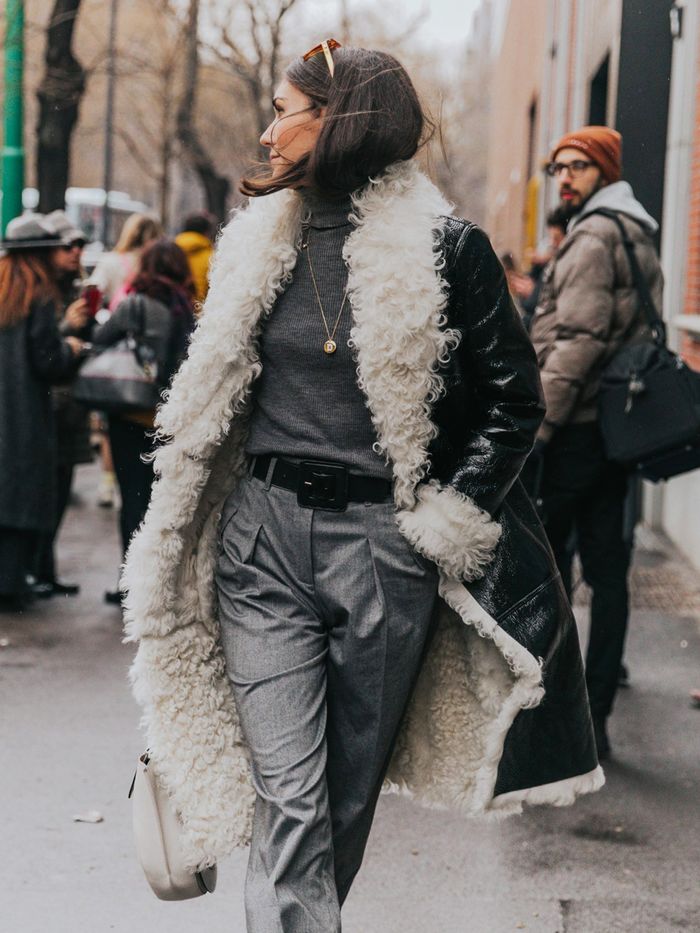
Finally, top it all off with a well-fitted outer layer. A sleek, insulated coat or a waterproof shell can protect you from the elements while maintaining a streamlined silhouette. Look for coats with features like adjustable cuffs and hems, which can help seal in warmth and prevent cold air from sneaking in. Additionally, a coat with a slim cut can create a more flattering silhouette, even when layered over other garments.
Here are some tips to keep in mind when layering for winter:
- Mix Textures: Combining different textures can add visual interest and prevent your outfit from looking flat. Try pairing a chunky knit sweater with a smooth, satin skirt or a wool coat with a denim jacket underneath.
- Opt for Slim Silhouettes: Choose pieces that are cut close to the body to avoid excess fabric that can make you look bulky. Slim-fit pants, leggings, and tailored jackets are your friends.
- Layer with Purpose: Each layer should serve a purpose, whether it’s warmth, style, or functionality. Avoid unnecessary layers that don’t add value to your outfit.
- Use Accessories Wisely: Scarves, hats, and gloves can add warmth without adding bulk to your body. Opt for lightweight, yet warm materials like cashmere or fleece-lined options.
To further illustrate, consider the following comparison of layering pieces:
| Layer | Material | Function | Style Tip |
|---|---|---|---|
| Base Layer | Merino Wool, Synthetic | Moisture-wicking, Insulation | Choose light colors to reflect heat |
| Middle Layer | Fleece, Down | Insulation, Warmth | Opt for zip-up styles for versatility |
| Outer Layer | Wool, Waterproof Fabric | Protection, Style | Look for adjustable features to seal in warmth |
By focusing on these principles, you can create a winter wardrobe that is both functional and fashionable, keeping you warm and stylish without the bulk.
What are the best fabrics for winter layering?
When it comes to winter layering, choosing the right fabrics is crucial for staying warm and comfortable. The best fabrics for winter layering are those that provide insulation, moisture-wicking properties, and breathability. Here are some top choices to consider:
Wool is a classic winter fabric known for its excellent insulation properties. It traps heat effectively, making it ideal for keeping you warm in cold temperatures. Additionally, wool has natural moisture-wicking abilities, which means it can absorb moisture without feeling damp, keeping you dry and comfortable. Different types of wool, such as merino, offer varying levels of softness and warmth, making it a versatile option for layering.
Down is another fantastic choice for winter layering, especially for outerwear like jackets and coats. Down is the fluffy undercoating of ducks or geese, and it provides exceptional warmth due to its ability to trap air. It’s incredibly lightweight, making it perfect for layering without adding bulk. However, down is not the best option for wet conditions, as it loses its insulating properties when wet. To combat this, many down products are now treated with water-resistant coatings.
Synthetic Insulations like fleece and polyester are great alternatives to down, especially in wet conditions. These materials are designed to mimic the insulating properties of down while maintaining their warmth even when damp. Fleece, in particular, is a popular choice for mid-layers because it is soft, lightweight, and dries quickly. Polyester blends are often used in base layers for their moisture-wicking and quick-drying properties.
Cotton is generally not recommended for winter layering because it retains moisture and can leave you feeling cold and clammy. However, it can be used in blends or as a top layer in dry conditions.
When selecting fabrics for winter layering, consider the following factors:
- Insulation: Look for materials that trap heat effectively.
- Moisture-Wicking: Choose fabrics that draw moisture away from the skin.
- Breathability: Ensure the fabric allows moisture to escape to keep you dry.
- Weight: Consider the weight of the fabric for comfort and ease of movement.
| Fabric | Insulation | Moisture-Wicking | Breathability | Weight |
|---|---|---|---|---|
| Wool | High | High | Medium | Medium |
| Down | Very High | Low | Low | Very Low |
| Synthetic Insulations | High | High | High | Low |
| Cotton | Low | Low | High | Medium |
By choosing the right fabrics, you can create a winter layering system that keeps you warm, dry, and comfortable throughout the colder months.
How do I layer for both indoor and outdoor activities?
What are some stylish winter layering ideas?
When it comes to winter layering, the key is to balance warmth with style while ensuring comfort and flexibility. Here are some chic layering ideas to keep you cozy and fashionable throughout the colder months.
Start with a base layer that is both insulating and moisture-wicking. Thermal tops and leggings made from materials like merino wool or synthetic blends are excellent choices. They provide warmth without adding bulk, making them perfect for layering under your clothes. For your middle layer, consider a classic turtleneck sweater or a fitted cardigan. These pieces add warmth and can easily be dressed up or down depending on the occasion. A button-down shirt can also serve as a versatile middle layer, adding a touch of sophistication when left unbuttoned over a tee or turtleneck.
For your outer layer, a well-fitted coat is essential. A wool or pea coat offers timeless style and warmth, while a parka is ideal for more casual, outdoor activities. If you’re looking for something in between, a quilted jacket provides both insulation and a sleek silhouette. Don’t forget to incorporate a scarf into your ensemble. A chunky knit or a wool scarf not only adds an extra layer of warmth but also introduces texture and color to your outfit.
When it comes to bottoms, consider layering with tights or leggings under skirts or dresses. This adds warmth and allows you to continue wearing your favorite pieces throughout the winter. For additional insulation, try layering with thermal leggings underneath your regular pants.
Here are some quick tips for stylish winter layering:
- Mix textures: Combine knits, wools, and denim for visual interest.
- Play with lengths: A longer coat over a shorter dress or skirt can create a flattering silhouette.
- Experiment with colors: Use neutral base layers and add pops of color with accessories like scarves or gloves.
- Layer with vests: A puffer vest can add warmth without the bulk of a full coat.
To further illustrate these ideas, consider the following table that compares different layering options based on factors like warmth, style, and versatility:
| Layer | Warmth | Style | Versatility |
|---|---|---|---|
| Base Layer | High | Low | High |
| Middle Layer | Medium | High | Medium |
| Outer Layer | High | High | Medium |
| Accessories | Low | High | High |
By thoughtfully combining these layers, you can create winter outfits that are not only functional but also fashionable, ensuring you stay both warm and stylish throughout the season.
How can I layer accessories for added warmth?
How can I layer accessories for added warmth?
When the temperature drops, layering accessories is key to staying warm and stylish. The right combination of accessories can make a significant difference in your overall comfort and appearance. Here are some tips to help you layer accessories effectively for the winter months.
First, consider your head and neck. These areas are particularly prone to heat loss, so it’s important to keep them well-insulated. A cozy beanie or knit hat is a must-have for keeping your head warm. For added warmth, you can layer a headband underneath, which also helps to keep your ears covered. When it comes to your neck, a scarf is a versatile option. You can wrap it around multiple times for extra warmth or drape it loosely for a more casual look. If you prefer something more streamlined, a neck gaiter or buff can provide similar benefits without the bulk.
Next, focus on your hands. Gloves are essential, but if you need more warmth, consider layering them with a pair of mittens. Mittens allow your fingers to share warmth, while gloves provide more dexterity. For the best of both worlds, look for convertible gloves that have removable mitten tops. This way, you can easily switch between the two depending on your activity level and the weather.
Don’t forget about your feet. While socks are the obvious choice, layering them can provide additional warmth. Start with a thin, moisture-wicking pair as your base, and then add a thicker, insulating pair on top. For extra protection, consider wearing thermal socks or even heated socks if you’re spending extended periods outdoors.
Here are some additional tips for layering accessories:
- Choose materials like wool, cashmere, and fleece for maximum warmth and comfort.
- Opt for accessories in neutral colors that can easily be mixed and matched with your winter wardrobe.
- Consider the weather conditions; for example, a waterproof hat and gloves are essential for snowy or rainy days.
- Experiment with different textures and patterns to add visual interest to your outfit.
To summarize, layering accessories is not just about warmth but also about enhancing your overall style. The table below outlines some key factors to consider when choosing your winter accessories:
| Accessory | Material | Style | Functionality |
|---|---|---|---|
| Beanie/Hat | Wool, Fleece | Knit, Fitted | Keeps head warm, covers ears |
| Scarf/Neck Gaiter | Cotton, Cashmere | Wrap, Infinity | Insulates neck, adds style |
| Gloves/Mittens | Leather, Wool | Convertible, Insulated | Provides warmth, maintains dexterity |
| Socks | Wool, Thermal | Layered, Heated | Keeps feet warm, wicks moisture |
By thoughtfully layering your accessories, you can stay warm and fashionable throughout the winter season.
What are the key pieces for a winter capsule wardrobe?
Building a winter capsule wardrobe is all about selecting versatile, high-quality pieces that can be mixed and matched to create a variety of stylish and warm outfits. The key is to focus on items that provide both functionality and fashion, ensuring you stay cozy without sacrificing your personal style. Here are the essential components to consider when curating your winter capsule wardrobe:
1. Outerwear: A good winter coat is the cornerstone of your wardrobe. Opt for a classic style like a wool overcoat or a puffer jacket, depending on your climate and personal preference. A trench coat can also be a versatile option for milder winter days.
2. Sweaters and Cardigans: These are crucial for layering and adding warmth. Choose a mix of chunky knits and finer merino or cashmere options. Neutral colors like black, gray, and cream are timeless, but don’t be afraid to add a pop of color or a fun pattern to keep things interesting.
3. Long-Sleeve Tops: Basic long-sleeve tees and turtlenecks are perfect for layering under sweaters and cardigans. They provide an extra layer of warmth and can be dressed up or down depending on the occasion.
4. Bottoms: A pair of well-fitted jeans, a few pairs of leggings, and a couple of skirts can form the base of your winter wardrobe. Look for materials like denim, wool, or corduroy for added warmth.
5. Boots: A sturdy pair of ankle boots or knee-high boots is a must-have for winter. They should be comfortable enough for daily wear but stylish enough to elevate your outfits.
6. Accessories: Don’t forget the finishing touches! A warm scarf, a stylish hat, and a pair of gloves are essential for braving the cold. A cozy scarf can also double as a blanket on chilly commutes.
To help you visualize these key pieces, here’s a simple table outlining the essentials:
| Category | Items |
|---|---|
| Outerwear | Wool overcoat, puffer jacket, trench coat |
| Sweaters/Cardigans | Chunky knits, merino/cashmere options |
| Long-Sleeve Tops | Turtlenecks, basic tees |
| Bottoms | Jeans, leggings, skirts |
| Boots | Ankle boots, knee-high boots |
| Accessories | Scarf, hat, gloves |
By focusing on these key pieces, you can create a winter capsule wardrobe that is both functional and fashionable, allowing you to navigate the colder months with ease and style.
Frequently asked questions
What is the best way to layer for extreme cold?
Start with a moisture-wicking base layer, add an insulating middle layer like fleece or down, and finish with a waterproof and windproof outer layer.
How do I prevent my winter layers from feeling too tight?
Choose layers that are slightly loose and opt for stretchy fabrics to allow for movement and comfort.
Can I layer with color without clashing?
Yes, use a color palette of complementary shades and incorporate patterns subtly to avoid clashing.
What type of shoes work best with layered winter outfits?
Boots are ideal for winter layering as they provide warmth and traction; ankle, knee-high, and over-the-knee styles all work well.
How can I layer for a formal winter event?
Use elegant fabrics like wool, cashmere, and silk, and opt for tailored pieces such as a coat dress or a blazer with a turtleneck.
What are some quick layering tips for a casual day out?
Pair a long-sleeve tee with a flannel shirt, add a puffer vest, and finish with jeans and ankle boots for a comfy, casual look.